






Archive: People and Markets

Coin Dealers Targeted by Organized Crime Groups Following Coin Show Attendances
The Numismatic Crime Information Center warns that coin dealers in the USA are being targeted by organized crime, especially after attending coin shows.
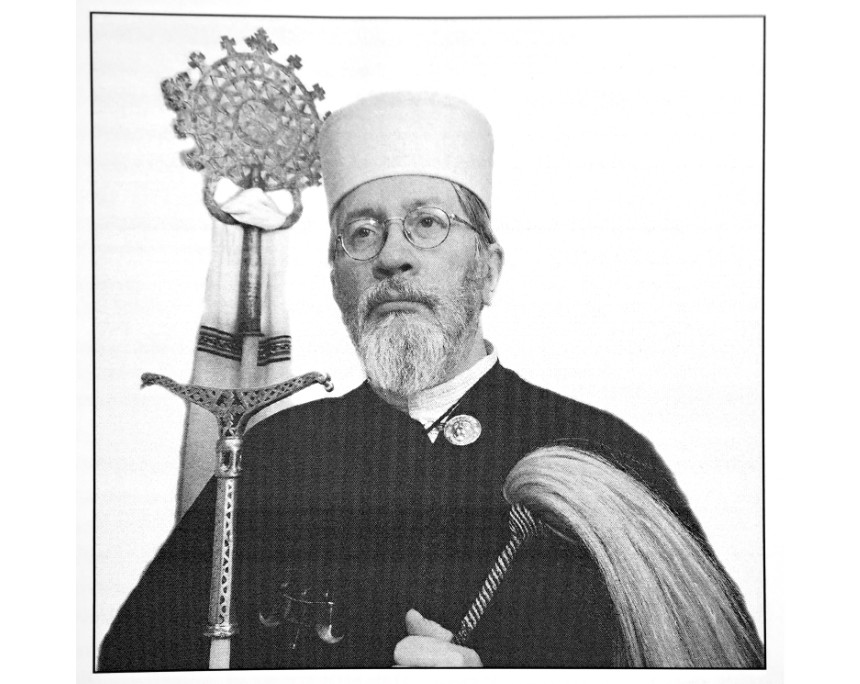
Celebrating Wolfgang Hahn’s 80th Birthday
There are numismatists who are an integral part of the numismatic world. One of them is Wolfgang Hahn, who shaped the fate of the Department of Numismatics and Monetary History in Vienna from 1990 to 2010. On 12 March 2025, he celebrated his 80th birthday.
Archive: Coins, Medals and more
 https://new.coinsweekly.com/wp-content/uploads/2025/01/2025KW03HA_00.jpg
684
860
Sebastian Wieschowski
https://new.coinsweekly.com/wp-content/uploads/2023/01/logo-coinsweekly_590x204.png
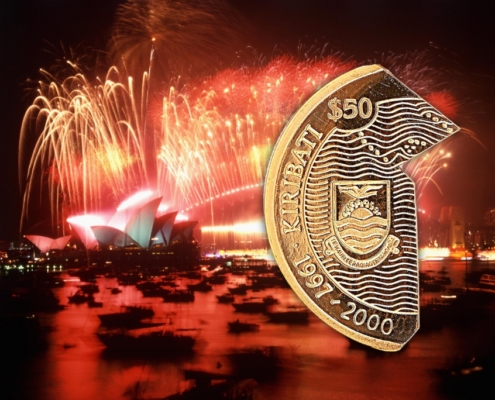
Sebastian Wieschowski2025-01-16 07:00:032025-01-16 16:55:4925 Years Ago: Millennium Coins and the Dawn of a New Era
https://new.coinsweekly.com/wp-content/uploads/2025/01/2025KW03HA_00.jpg
684
860
Sebastian Wieschowski
https://new.coinsweekly.com/wp-content/uploads/2023/01/logo-coinsweekly_590x204.png
Sebastian Wieschowski2025-01-16 07:00:032025-01-16 16:55:4925 Years Ago: Millennium Coins and the Dawn of a New Era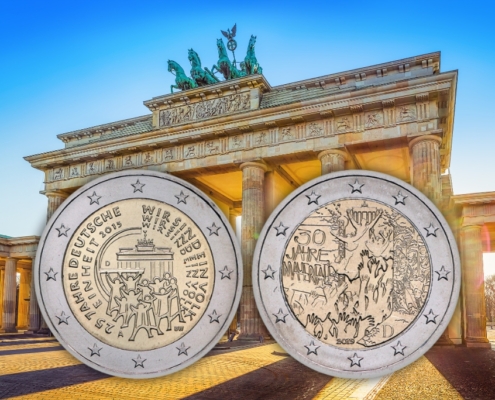 https://new.coinsweekly.com/wp-content/uploads/2024/09/2024KW39HA_00.jpg
684
860
Sebastian Wieschowski
https://new.coinsweekly.com/wp-content/uploads/2023/01/logo-coinsweekly_590x204.png
Sebastian Wieschowski2024-09-26 06:00:552024-09-26 09:25:24Unity Coin Sows Discord: More Than Just a Matter of Taste?
https://new.coinsweekly.com/wp-content/uploads/2024/09/2024KW39HA_00.jpg
684
860
Sebastian Wieschowski
https://new.coinsweekly.com/wp-content/uploads/2023/01/logo-coinsweekly_590x204.png
Sebastian Wieschowski2024-09-26 06:00:552024-09-26 09:25:24Unity Coin Sows Discord: More Than Just a Matter of Taste?
The MDC Awards 2023
After a five-year break, the Mint Directors Conference took place in Ottawa, Canada, from October 15 to 18. One of the most eagerly awaited events was the announcement of the winners of the prestigious MDC Awards. You can now find them here.
The Perth Mint Celebrates with Cake for 125th Birthday – and a Special Sovereign Coin
On June 20th, The Perth Mint celebrated the significant milestone of 125 years of operation as a gold refiner and producer of high-quality precious metal coins.