







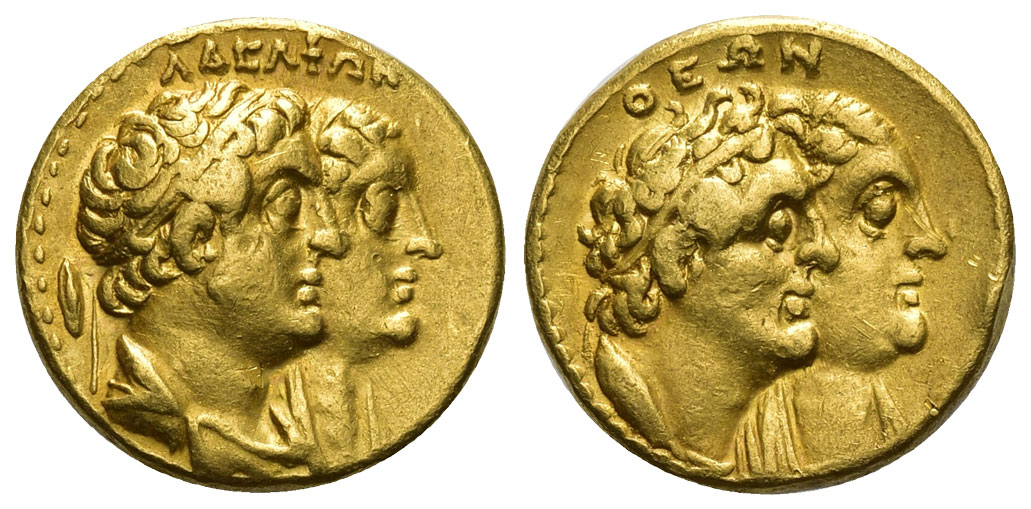
AV Tetradrachm (282–272 BC),
King Ptolemy II and Queen Arsinoe II.
From the major collection of Alexandria mint.
Condition: vf+
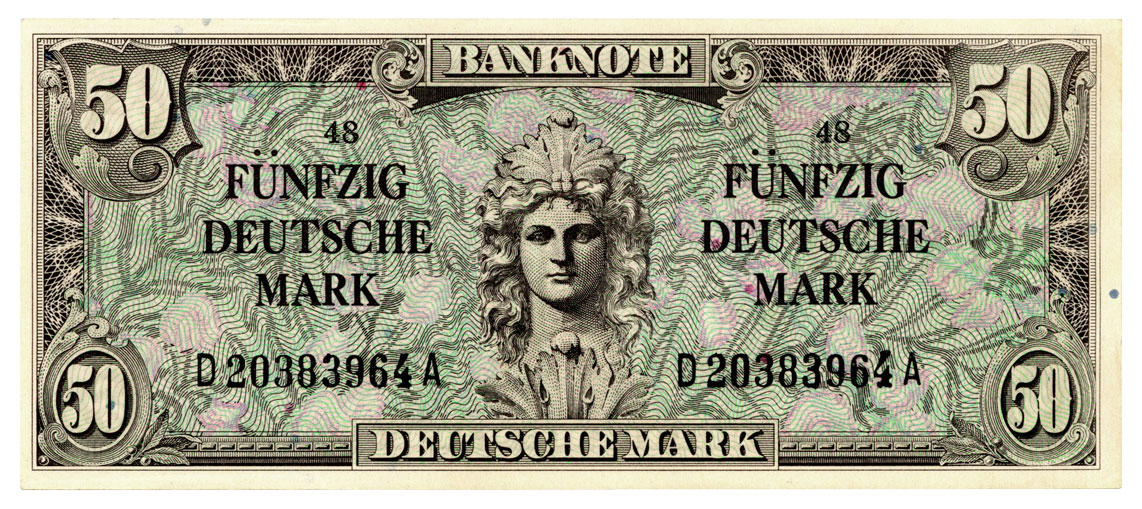
50 Deutsche Mark o.D. ( 1948-1949) "Liberty".
Condition: extremly rare, I
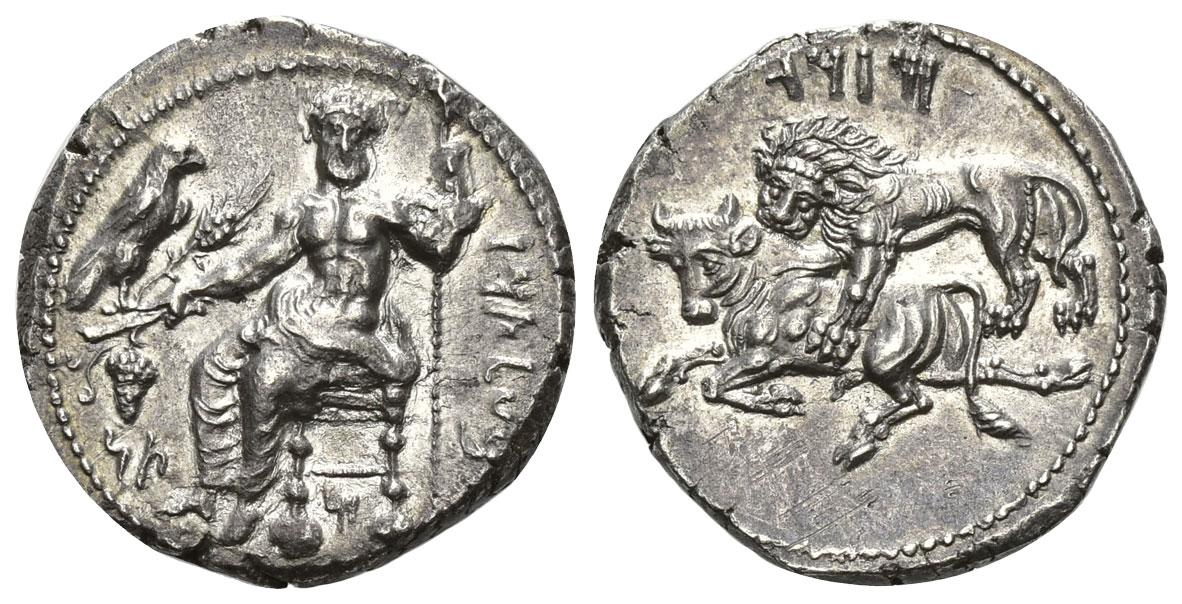
AR Stater (361-334 BC).
Obv. Baal of Tarsos.
Conditon: ef
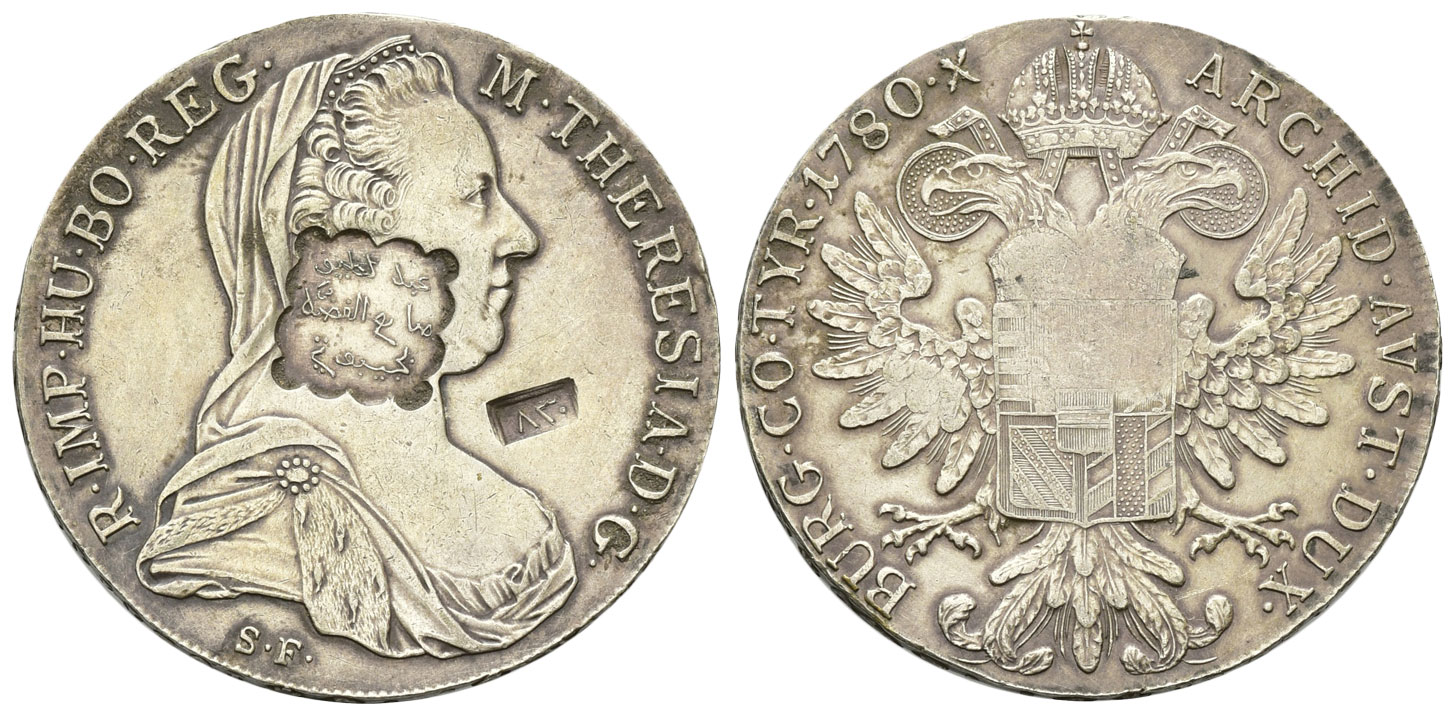
Taler 1780 SF
with counter stamp Djibouti (1870-1900).
Condition: vf
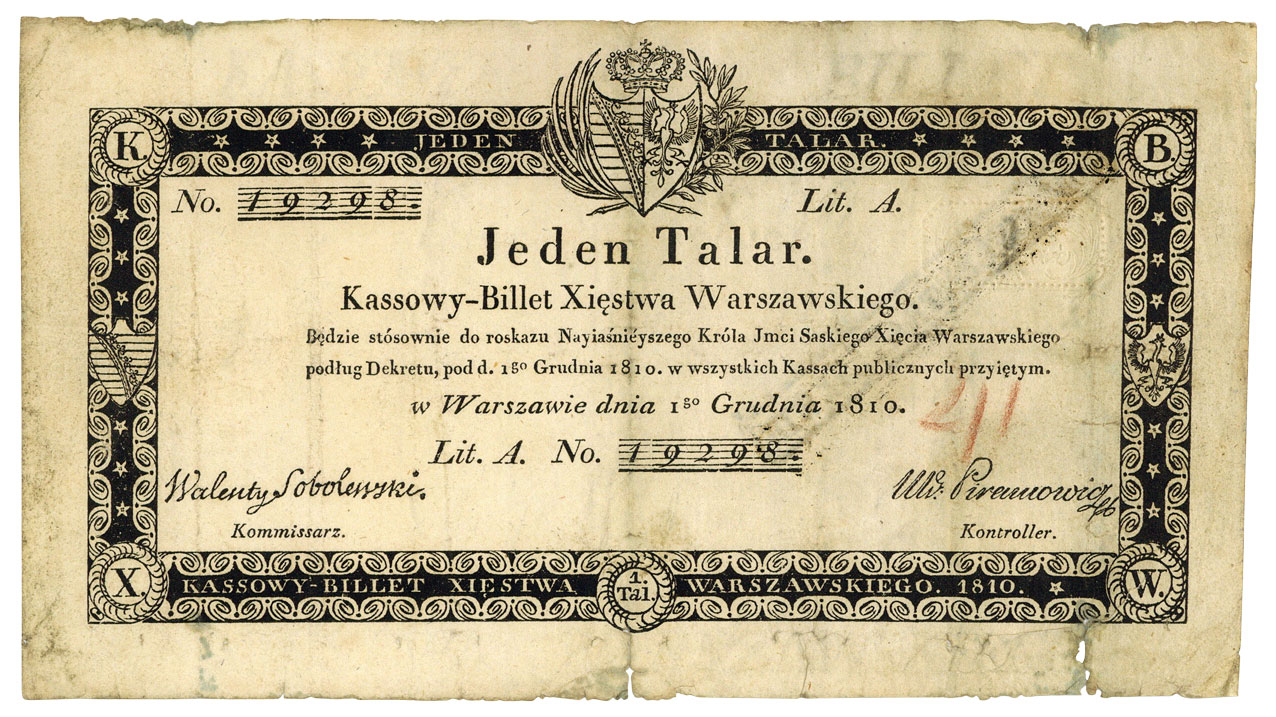
1 Talar 1. December 1810.
Condition: III-IV
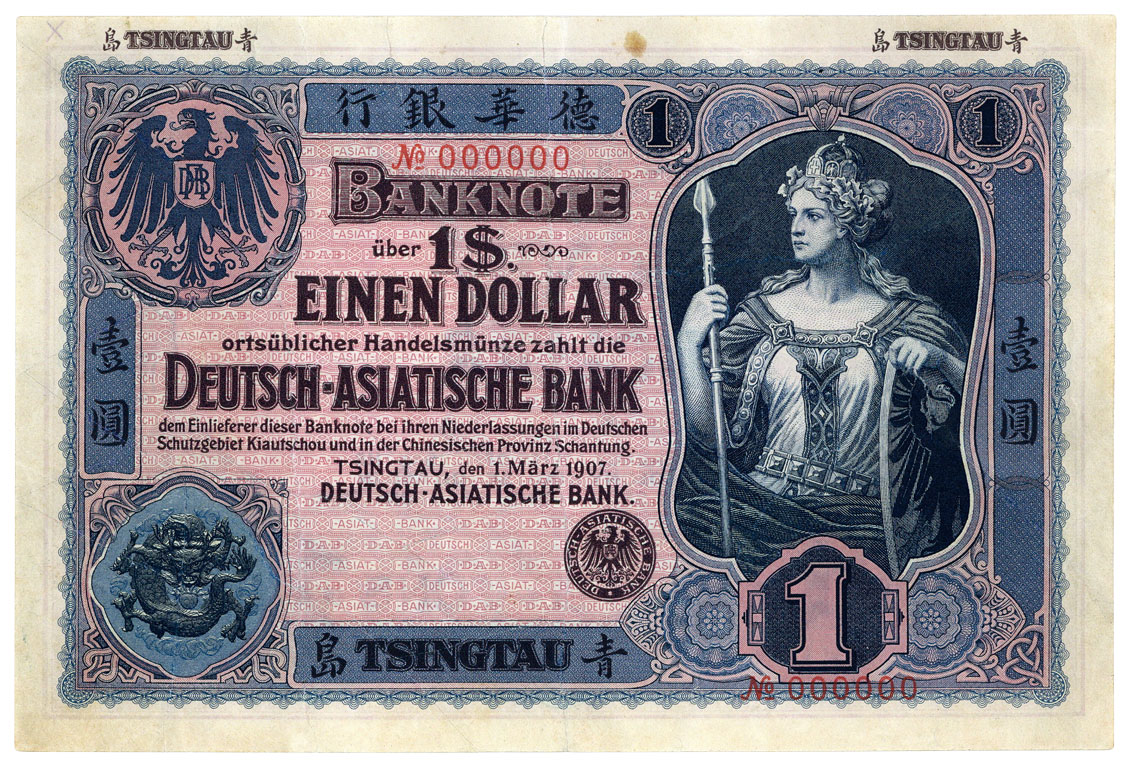
1 Dollar 1.3.1907, Tsingtao.
Condition: very rare, restored
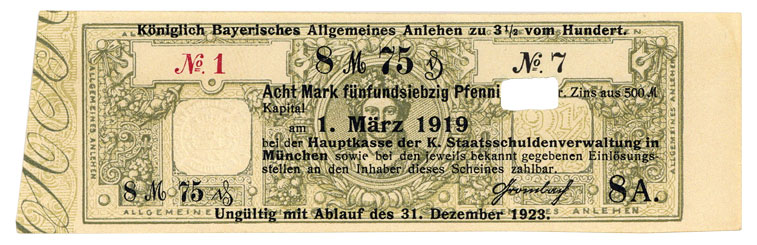
Royal Bavarian General Loan.
8.75 Marks, March 1, 1919.
Condition: rare, I
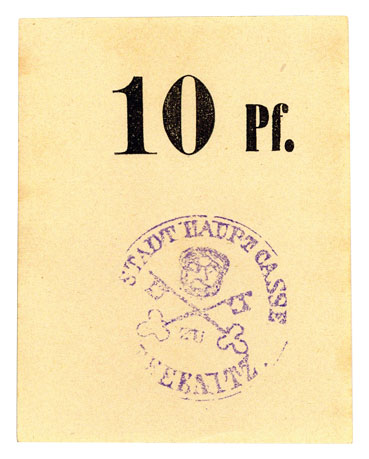
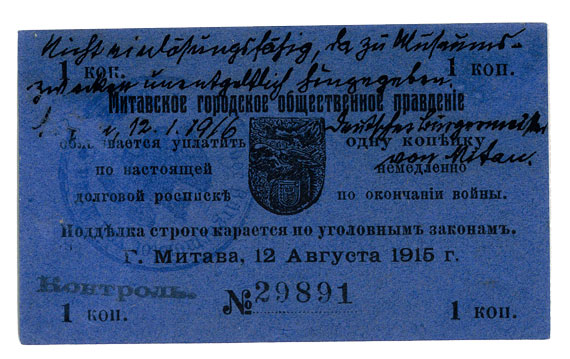
Archive: People and Markets
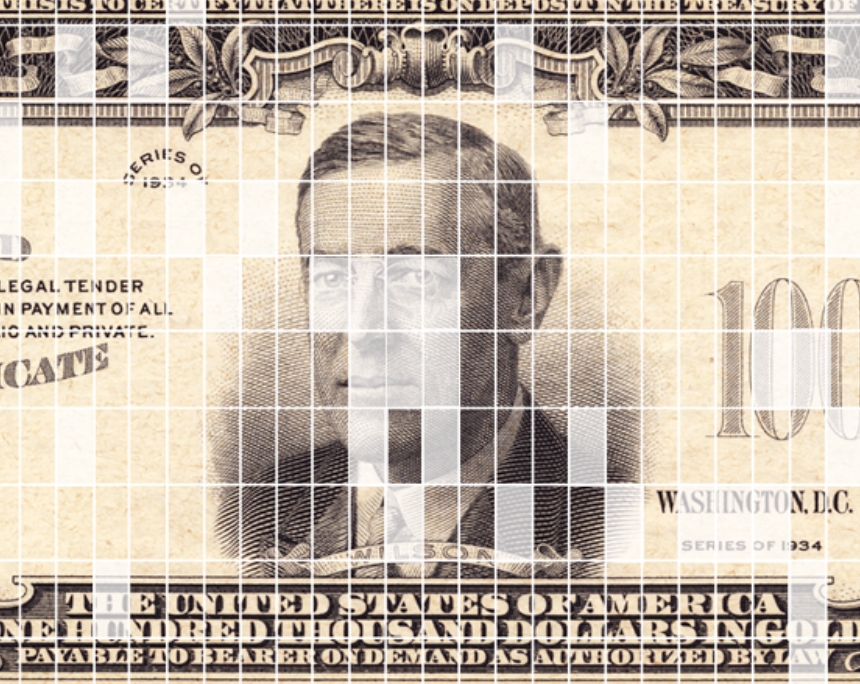
A Historic Unique Piece Offered for Shared Ownership – A Model for the Future?
A US coin dealer is offering co-ownership shares in a top rarity: shareholders can even choose their desired piece of a rare $100,000 gold certificate.
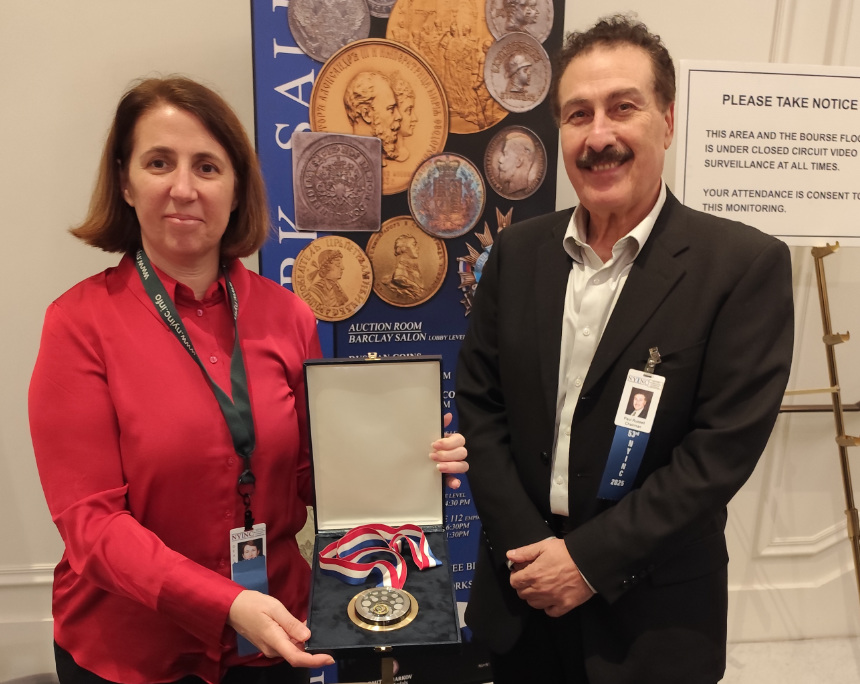
ANS Awards the 2025 Trustees’ Award to the NYINC
The American Numismatic Society annually presents the Trustees’ Award to honor those advancing the study and appreciation of numismatics. This year, the New York International Numismatic Convention was recognized for over 50 years of uniting coin collectors, dealers, and enthusiasts.
Archive: Coins, Medals and more
 https://new.coinsweekly.com/wp-content/uploads/2023/06/00-6.jpg
489
1001
Bruno
https://new.coinsweekly.com/wp-content/uploads/2023/01/logo-coinsweekly_590x204.png
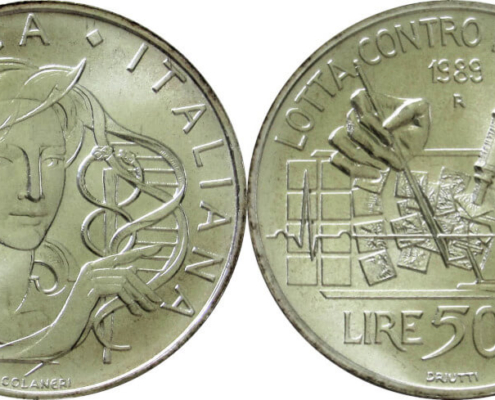
Bruno2022-06-13 12:59:122023-07-03 13:07:57Numismatic Issues Concerning Health, Medicine and Women in Times of Covid, Part 3: Personifications of Health and Medicine
https://new.coinsweekly.com/wp-content/uploads/2023/06/00-6.jpg
489
1001
Bruno
https://new.coinsweekly.com/wp-content/uploads/2023/01/logo-coinsweekly_590x204.png
Bruno2022-06-13 12:59:122023-07-03 13:07:57Numismatic Issues Concerning Health, Medicine and Women in Times of Covid, Part 3: Personifications of Health and Medicine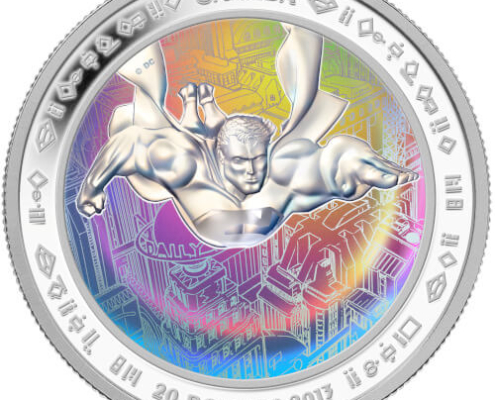 https://new.coinsweekly.com/wp-content/uploads/2023/06/00-7.jpg
496
500
Bruno
https://new.coinsweekly.com/wp-content/uploads/2023/01/logo-coinsweekly_590x204.png
Bruno2022-06-13 12:00:272023-07-03 14:53:25State-of-the-Art Minting Technology
https://new.coinsweekly.com/wp-content/uploads/2023/06/00-7.jpg
496
500
Bruno
https://new.coinsweekly.com/wp-content/uploads/2023/01/logo-coinsweekly_590x204.png
Bruno2022-06-13 12:00:272023-07-03 14:53:25State-of-the-Art Minting Technology
Pop-Up Expo at the Royal Library of Belgium: The Past in Metal
The Department of Coins & Medals at the Royal Library of Belgium (KBR) invites you on a journey through Belgium’s history via coins – from the ancient Eburones to emergency money from the Eighty Years’ War and objects used as currency in colonial Congo.
The Eggenberg Family and the Power of Money
In a new exhibition of the Coin Cabinet at Eggenberg Palace (Graz, Austria) the rise, splendour and decline of the Eggenberg dynasty are presented using their coins. In addition, examples of the diversity of coinage in the Holy Roman Empire in the 17th century are presented.