







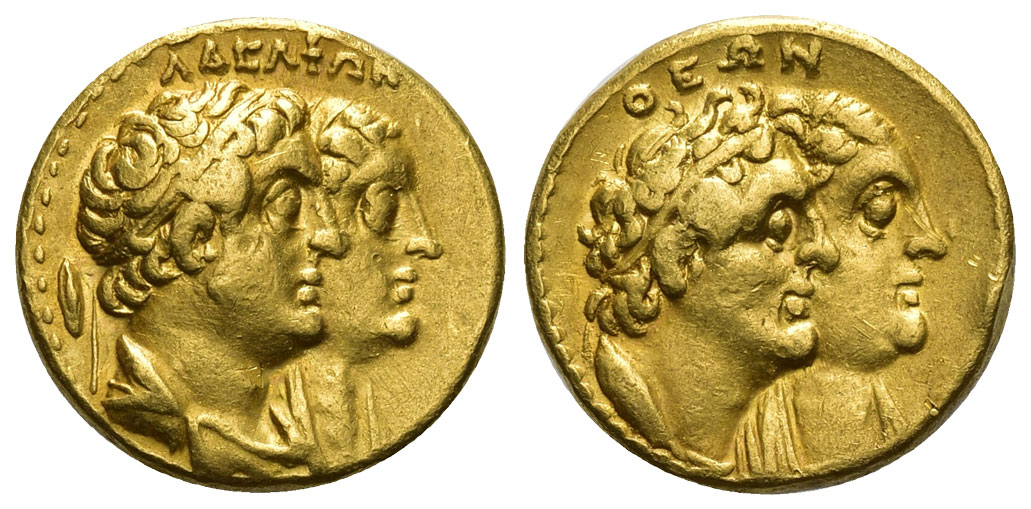
AV Tetradrachm (282–272 BC),
King Ptolemy II and Queen Arsinoe II.
From the major collection of Alexandria mint.
Condition: vf+
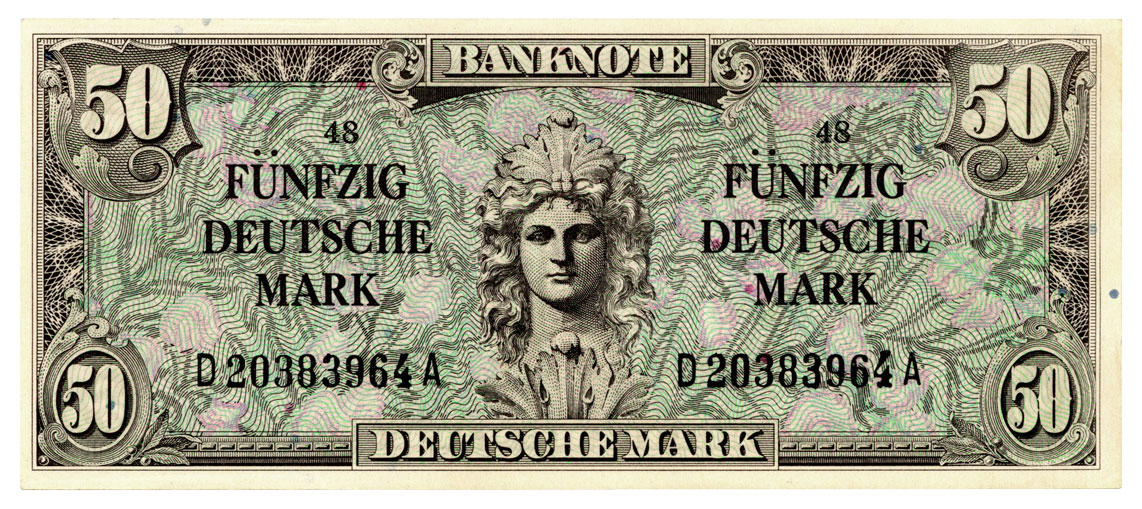
50 Deutsche Mark o.D. ( 1948-1949) "Liberty".
Condition: extremly rare, I
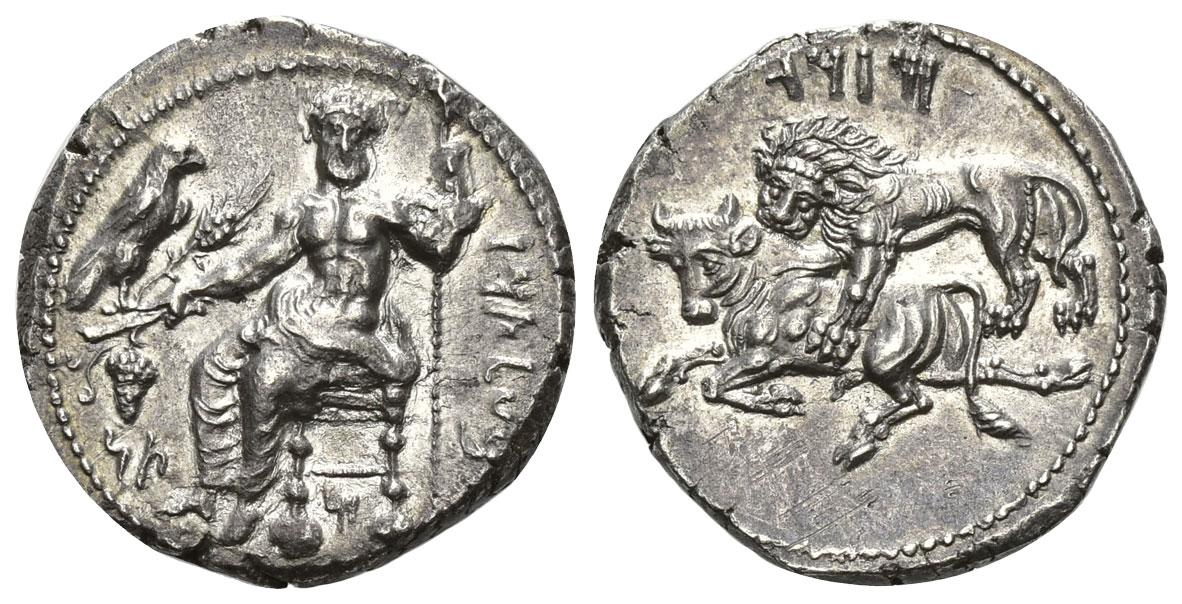
AR Stater (361-334 BC).
Obv. Baal of Tarsos.
Conditon: ef
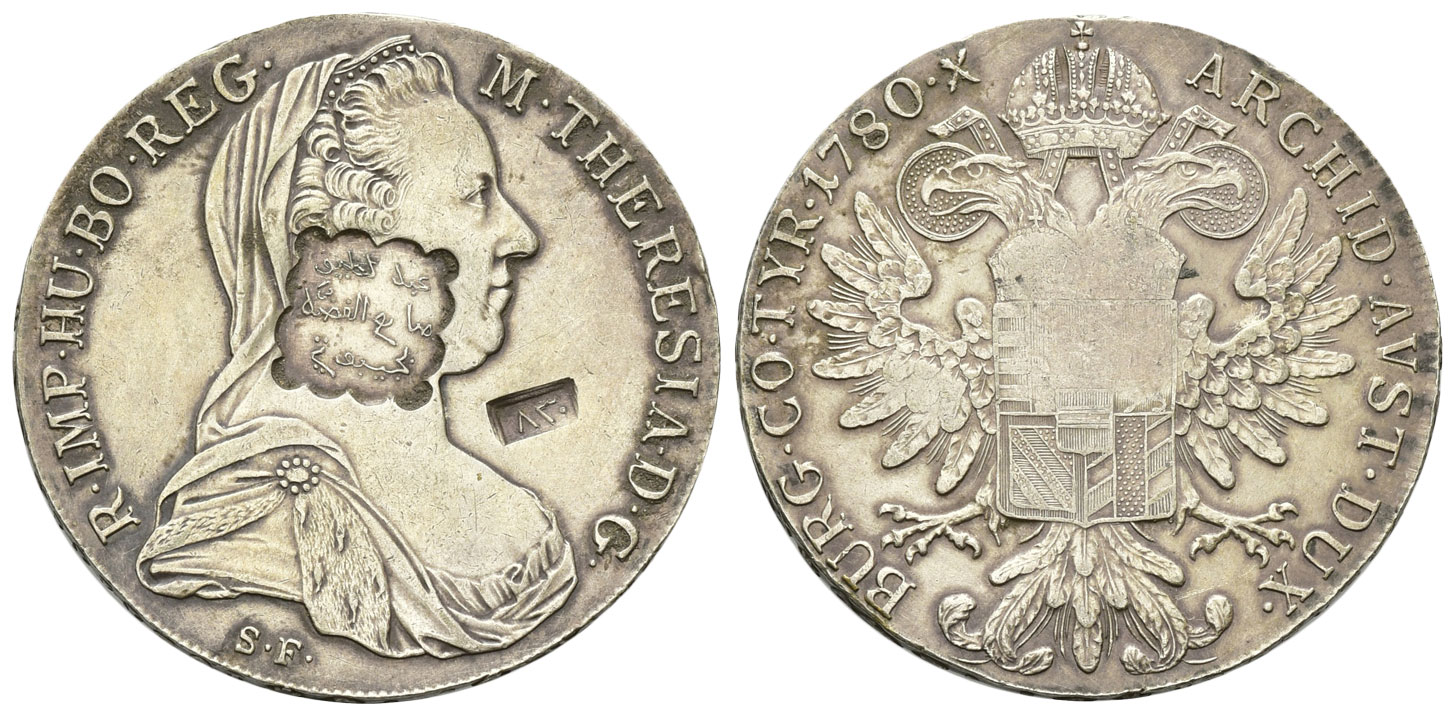
Taler 1780 SF
with counter stamp Djibouti (1870-1900).
Condition: vf
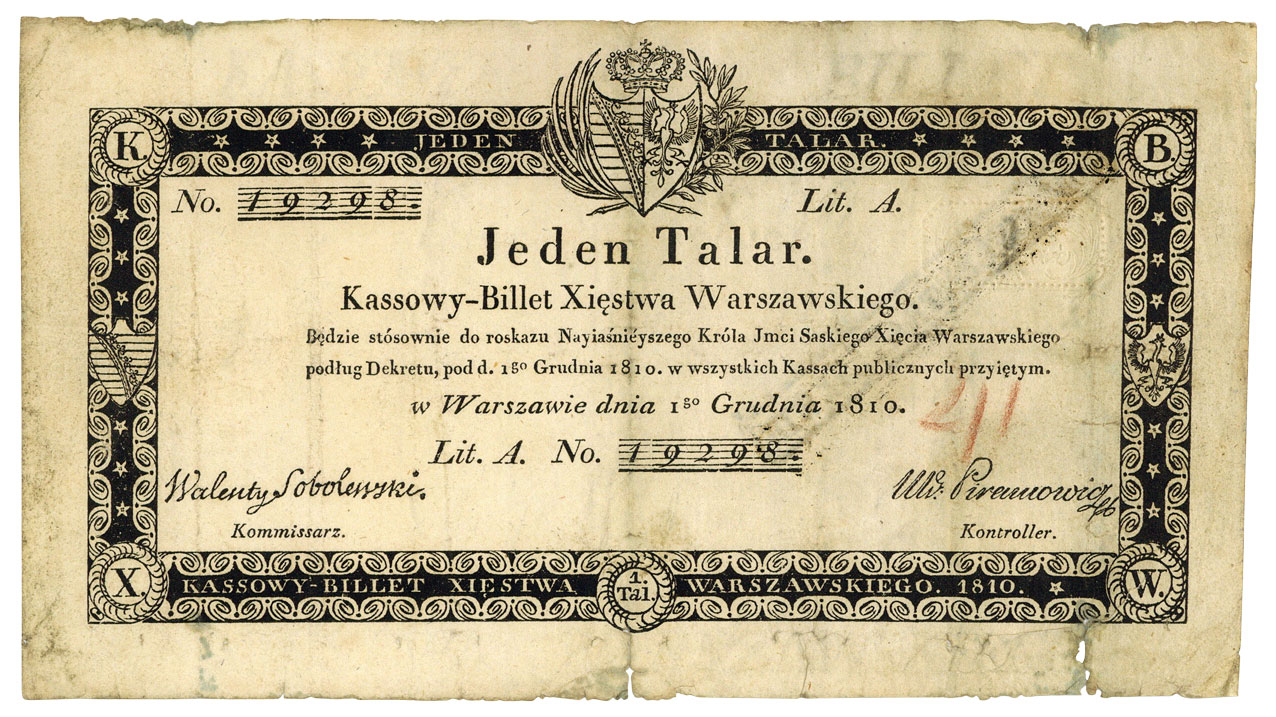
1 Talar 1. December 1810.
Condition: III-IV
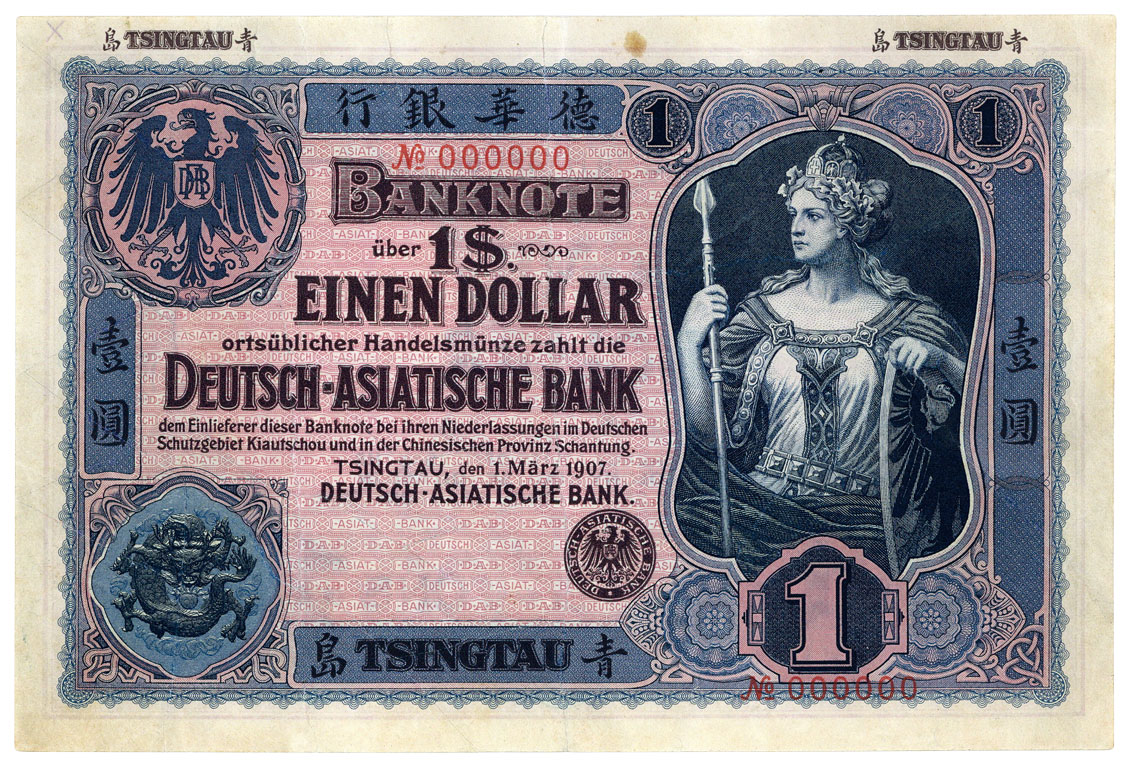
1 Dollar 1.3.1907, Tsingtao.
Condition: very rare, restored
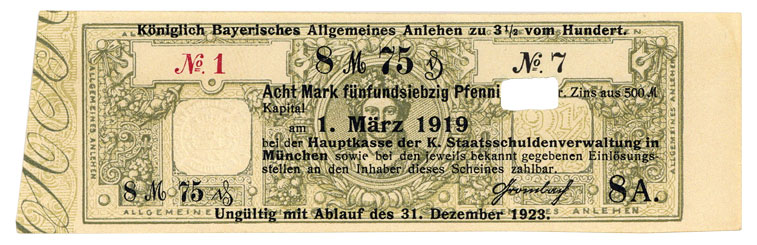
Royal Bavarian General Loan.
8.75 Marks, March 1, 1919.
Condition: rare, I
Archive: People and Markets
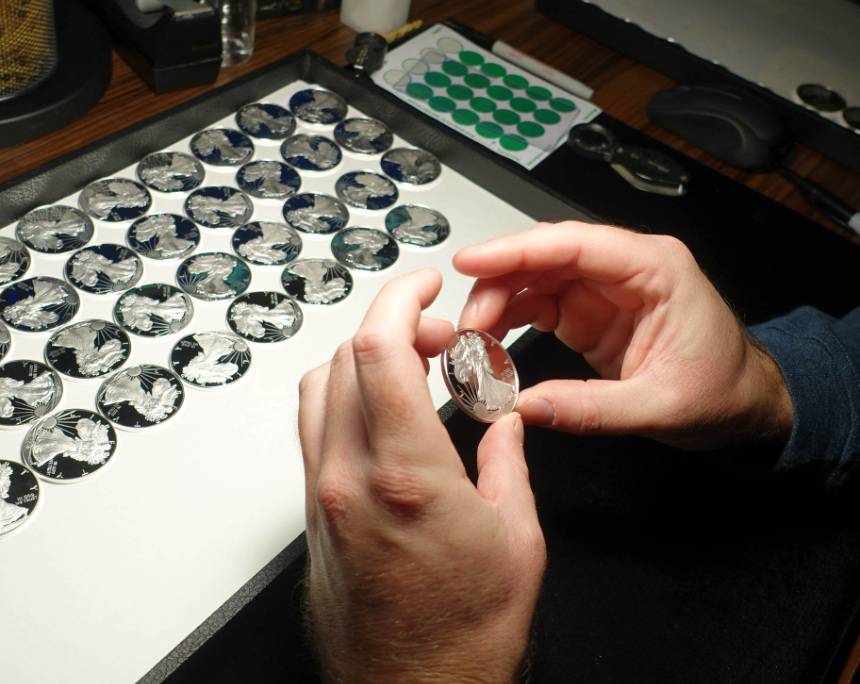
From a Collector’s Market to an Investor’s Market: Reasons, Consequences, Opportunities, Part 2
Today we continue Ursula Kampmann’s analysis of the change from collector to investor market with the second part. Find out how the market for American coins became a perfect investor’s market.
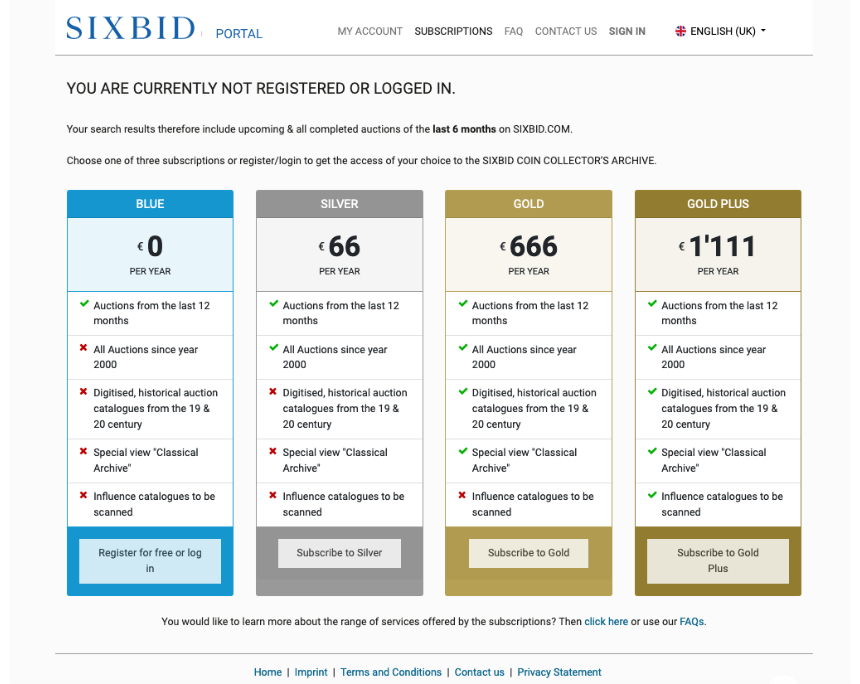
The Sixbid Archive – What It Is and Why You Need It
Sixbid has launched a new service: the Sixbid Archive. What makes this archive different from all the other auction databases out there? Is it really one of the most important numismatic projects of this century? Is it worth the €66 price tag? And for whom might it be worthwhile to purchase the €666 gold subscription?
Archive: Coins, Medals and more
 https://new.coinsweekly.com/wp-content/uploads/2023/10/2023KW41HA_00.jpg
684
860
Ursula Kampmann
https://new.coinsweekly.com/wp-content/uploads/2023/01/logo-coinsweekly_590x204.png
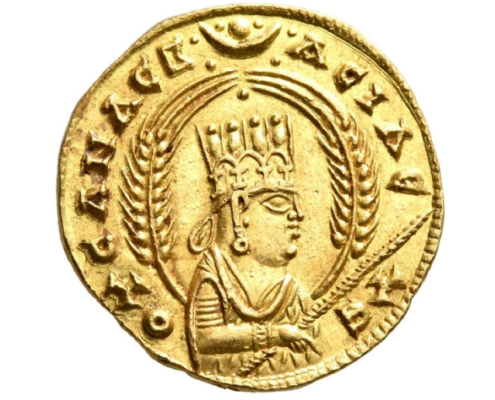
Ursula Kampmann2023-10-12 12:33:032023-10-12 14:04:09An Introduction to Axumite Coinage
https://new.coinsweekly.com/wp-content/uploads/2023/10/2023KW41HA_00.jpg
684
860
Ursula Kampmann
https://new.coinsweekly.com/wp-content/uploads/2023/01/logo-coinsweekly_590x204.png
Ursula Kampmann2023-10-12 12:33:032023-10-12 14:04:09An Introduction to Axumite Coinage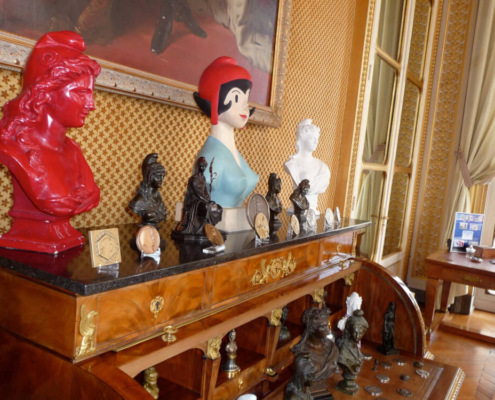 https://new.coinsweekly.com/wp-content/uploads/2023/06/CoCo04_04-1.jpg
750
1000
Ursula Kampmann
https://new.coinsweekly.com/wp-content/uploads/2023/01/logo-coinsweekly_590x204.png
Ursula Kampmann2022-06-13 10:25:572023-06-27 10:30:06The French Marianne I: Marianne as a Representative of the French People – Part 1
https://new.coinsweekly.com/wp-content/uploads/2023/06/CoCo04_04-1.jpg
750
1000
Ursula Kampmann
https://new.coinsweekly.com/wp-content/uploads/2023/01/logo-coinsweekly_590x204.png
Ursula Kampmann2022-06-13 10:25:572023-06-27 10:30:06The French Marianne I: Marianne as a Representative of the French People – Part 1
Foreign Coin Production Ends at the Royal Mint – The End of an Era or Another Step Closer to a Cashless Economy?
The Royal Mint has announced that it will no longer produce coins for other countries, ending a business model that it has operated for 700 years. Michael Alexander puts this development into perspective.
What Makes the TICC in Tokyo Different From Other Coin Shows
The TICC is the most important coin show held in Japan – a MUST for Japanese collectors. Those who travel there will find an active, young market. And much of what we are used to in Europe does not apply there.