







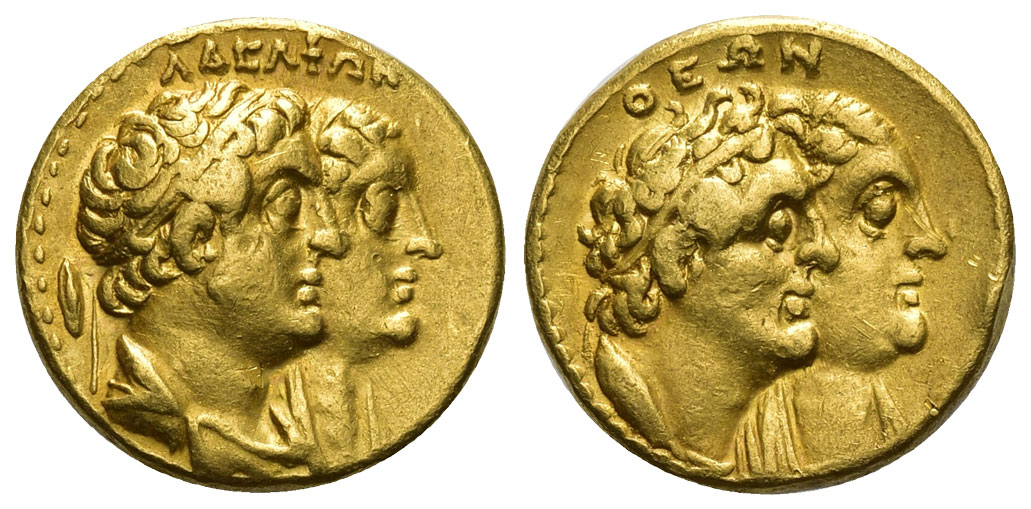
AV Tetradrachm (282–272 BC),
King Ptolemy II and Queen Arsinoe II.
From the major collection of Alexandria mint.
Condition: vf+
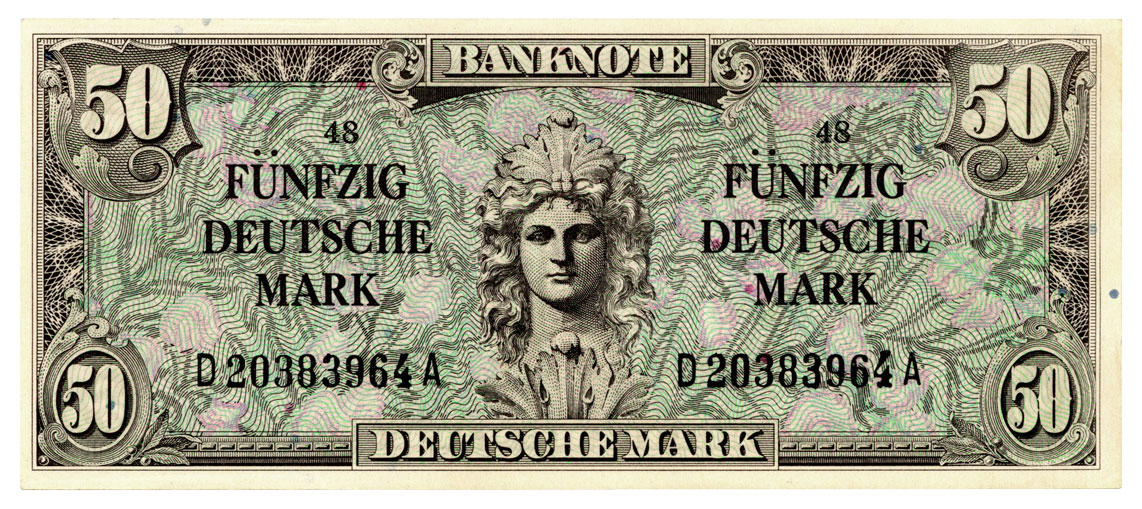
50 Deutsche Mark o.D. ( 1948-1949) "Liberty".
Condition: extremly rare, I
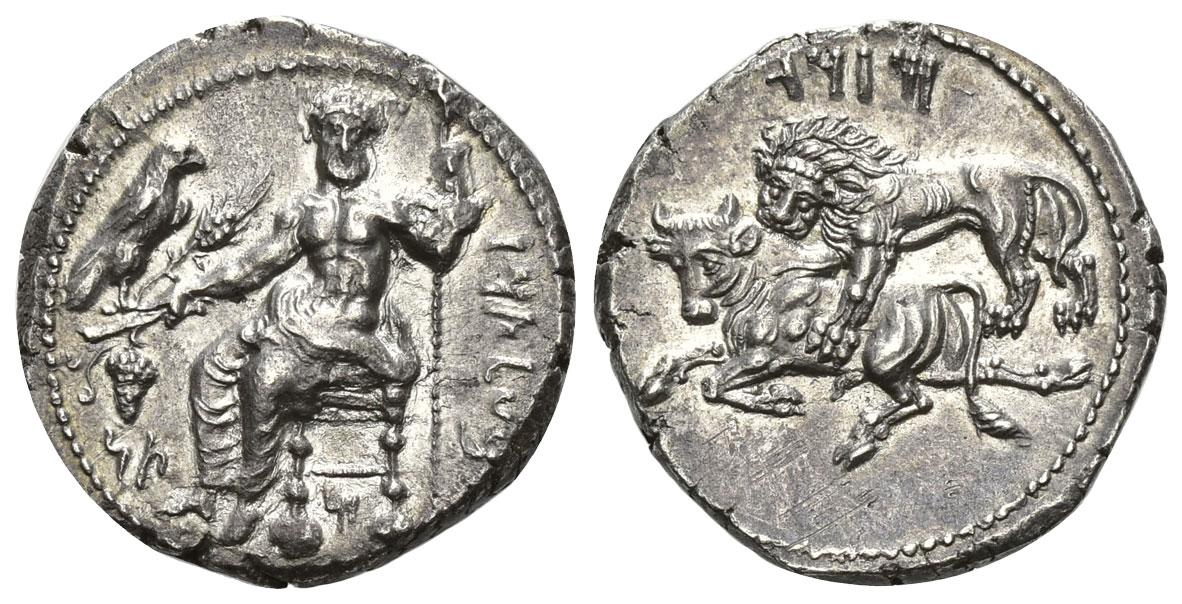
AR Stater (361-334 BC).
Obv. Baal of Tarsos.
Conditon: ef
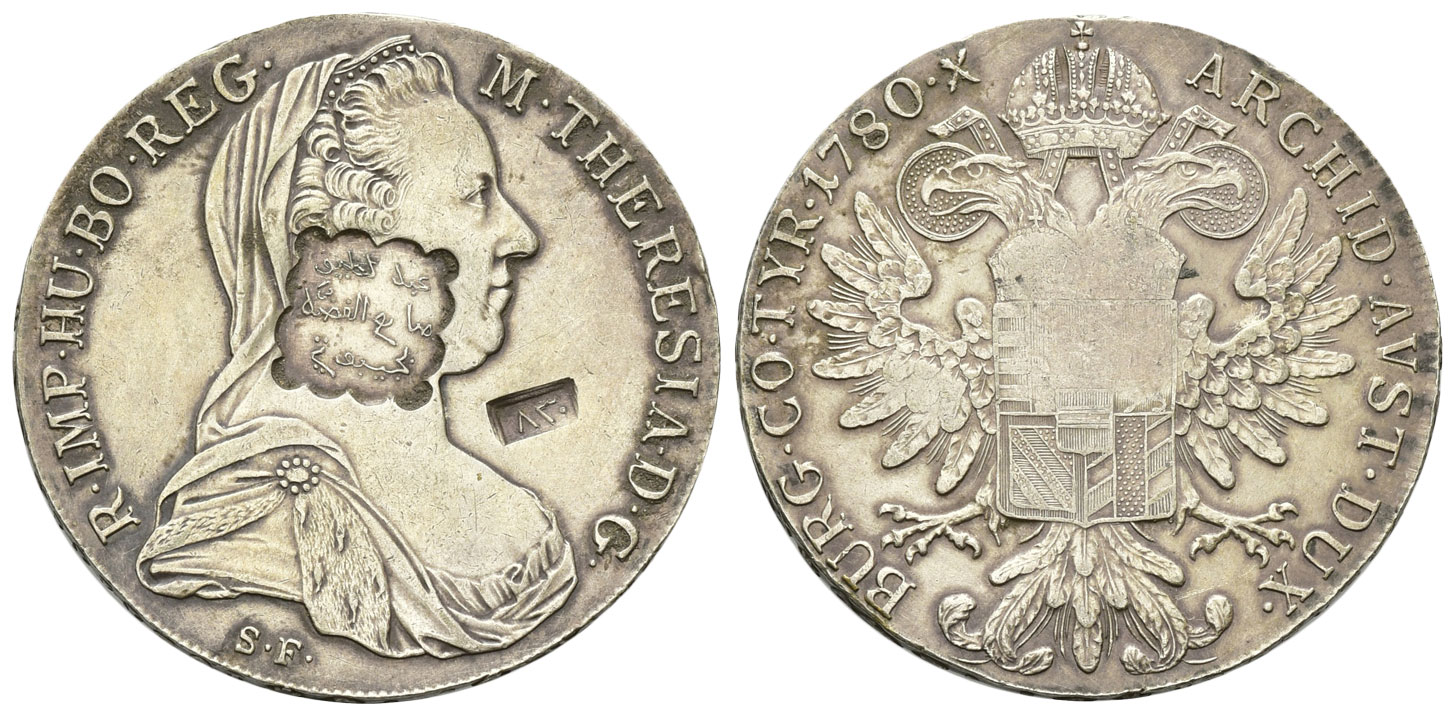
Taler 1780 SF
with counter stamp Djibouti (1870-1900).
Condition: vf
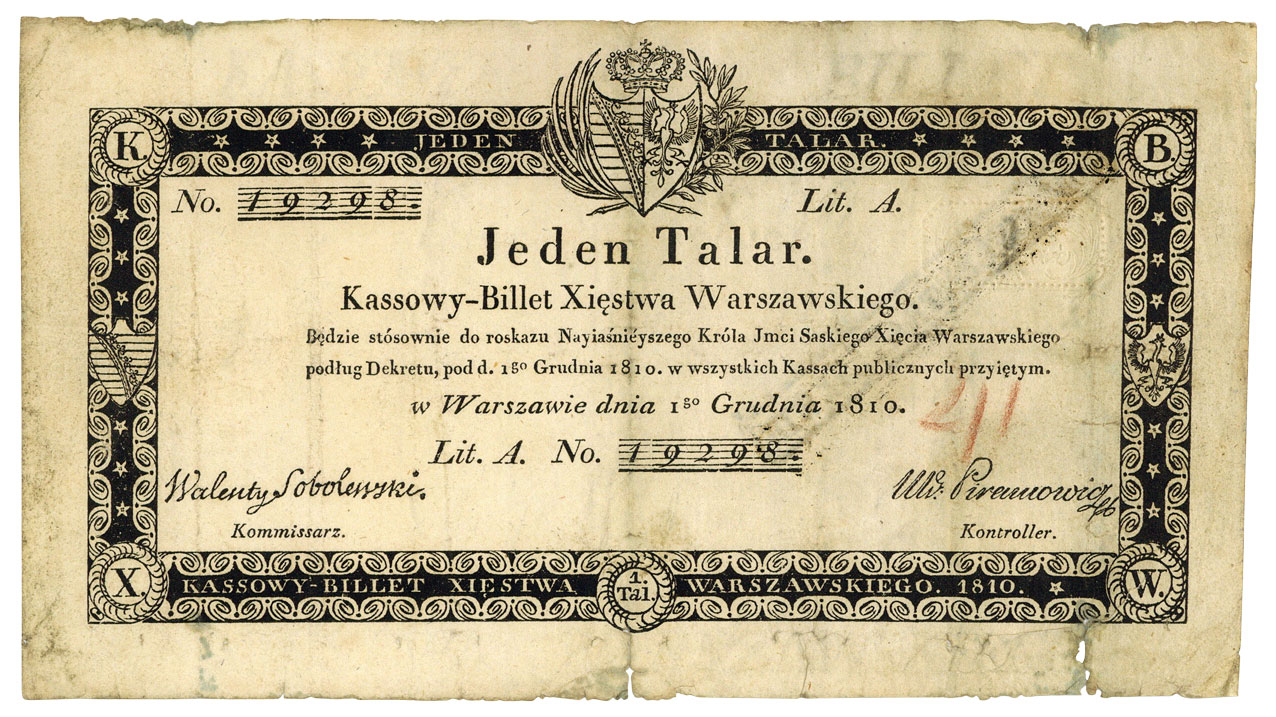
1 Talar 1. December 1810.
Condition: III-IV
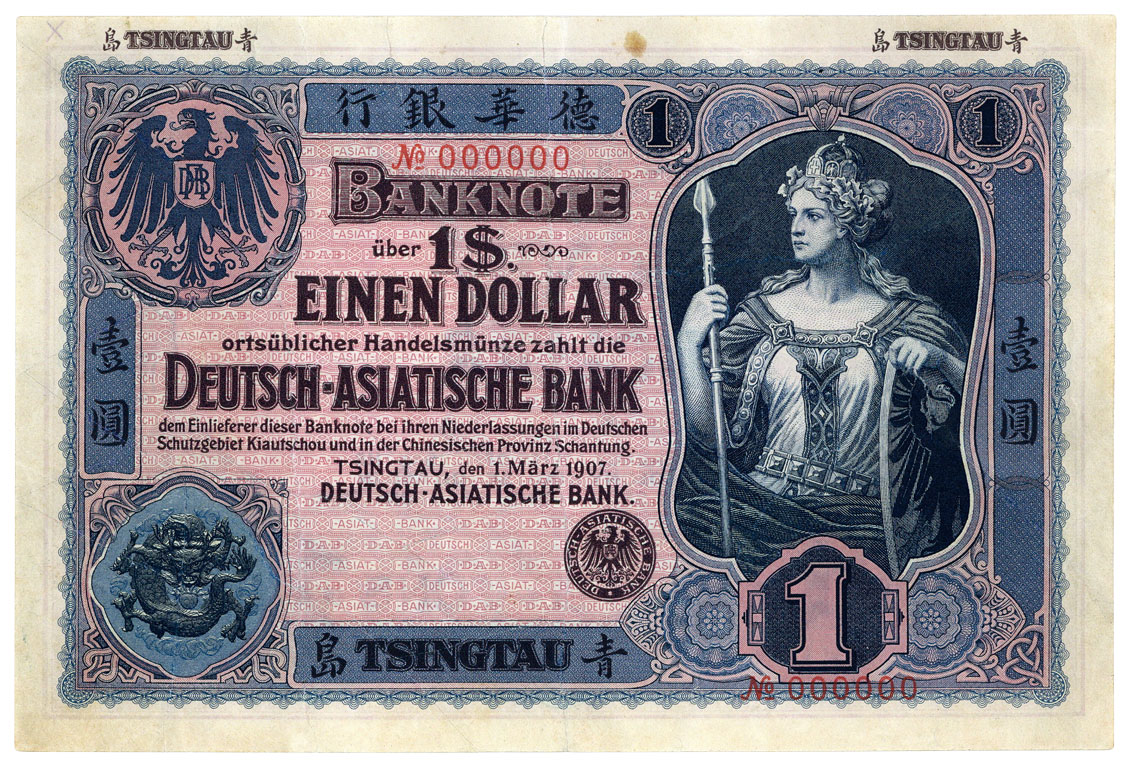
1 Dollar 1.3.1907, Tsingtao.
Condition: very rare, restored
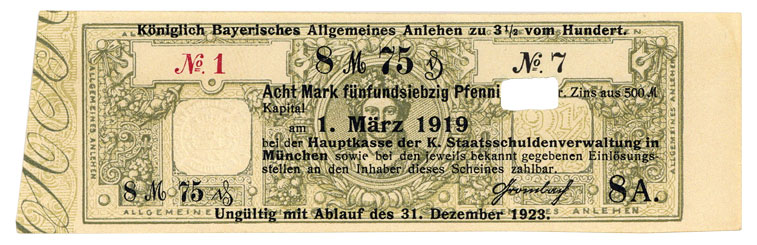
Royal Bavarian General Loan.
8.75 Marks, March 1, 1919.
Condition: rare, I
Archive: People and Markets
Numisma – Zoom Seminars of the Australian Centre for Ancient Numismatic Studies
Registration is now open to attend the upcoming zoom seminar series of the Australian Centre for Ancient Numismatic Studies (ACANS). Everyone interested in the study of ancient coins is welcome and encouraged to join the online lecture series. Find the upcoming lectures here.
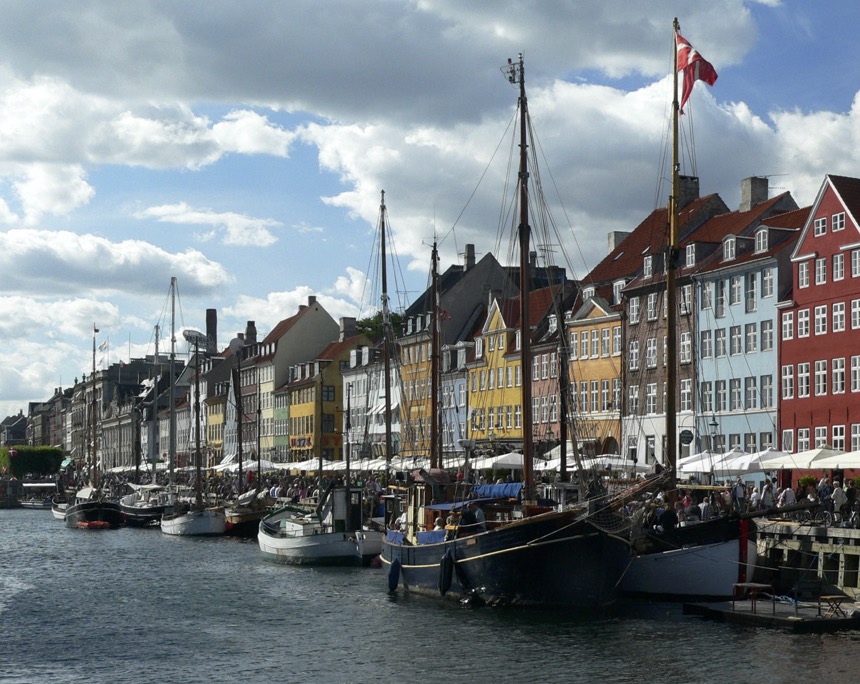
Stack’s Bowers Galleries Opening New Office in Copenhagen
Stack’s Bowers Galleries have opened their newest office in the heart of Copenhagen, Denmark. The team consists of the experienced numismatists Michael Fornitz, Henrik Berndt and Peter Bjørnstrup.
Archive: Coins, Medals and more
 https://new.coinsweekly.com/wp-content/uploads/2024/07/2024KW28HA_00.jpg
684
860
Ursula Kampmann
https://new.coinsweekly.com/wp-content/uploads/2023/01/logo-coinsweekly_590x204.png
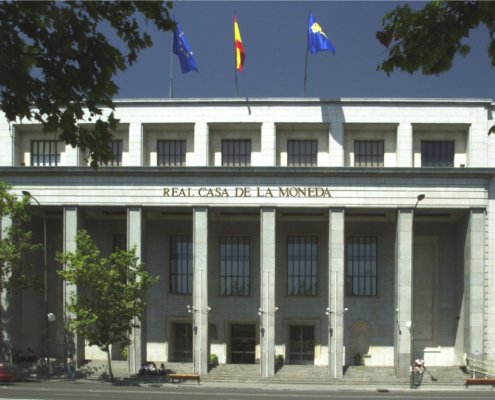
Ursula Kampmann2024-07-11 11:04:462024-07-11 11:19:29The Casa de la Moneda Museum in Madrid
https://new.coinsweekly.com/wp-content/uploads/2024/07/2024KW28HA_00.jpg
684
860
Ursula Kampmann
https://new.coinsweekly.com/wp-content/uploads/2023/01/logo-coinsweekly_590x204.png
Ursula Kampmann2024-07-11 11:04:462024-07-11 11:19:29The Casa de la Moneda Museum in Madrid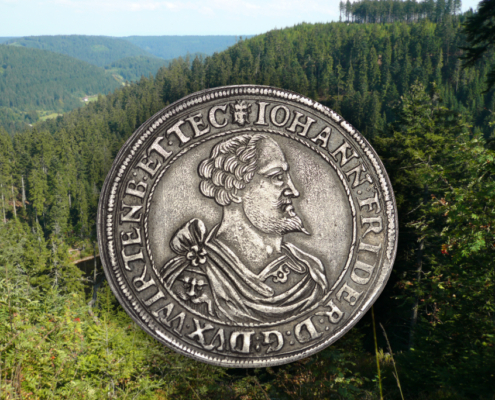 https://new.coinsweekly.com/wp-content/uploads/2024/09/2024KW36HA_00.jpg
684
860
Lucie Loechel
https://new.coinsweekly.com/wp-content/uploads/2023/01/logo-coinsweekly_590x204.png
Lucie Loechel2024-09-05 10:46:502024-09-05 13:34:39Silver for Württemberg
https://new.coinsweekly.com/wp-content/uploads/2024/09/2024KW36HA_00.jpg
684
860
Lucie Loechel
https://new.coinsweekly.com/wp-content/uploads/2023/01/logo-coinsweekly_590x204.png
Lucie Loechel2024-09-05 10:46:502024-09-05 13:34:39Silver for Württemberg
The Zurich International Coin Fair 2023
For many decades, the coin fair in Zurich has been the most important meeting point for the Swiss numismatic scene. In 2023, it was particularly crowded, as Swissmint had planned a special sale that drew many interested people.
PNG Advisory: No, You Don’t Have A $124 Million Penny
Recent online stories about pennies allegedly worth $124 million and billion-dollar 1976 Bicentennial quarter dollars are either false or grossly misleading, advises the Professional Numismatists Guild.