







Archive: People and Markets
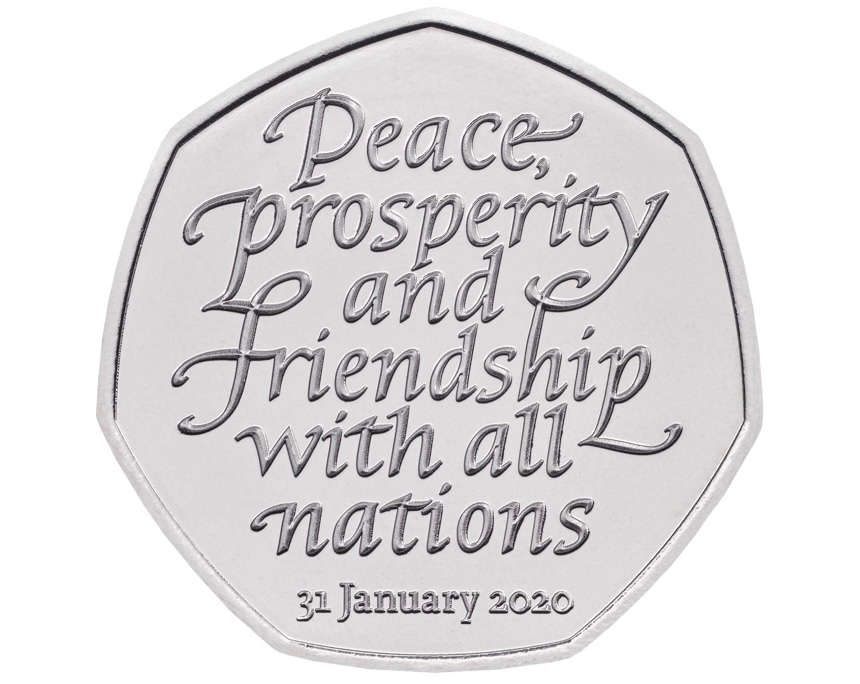
Warning Against Overpriced Coins: “Stick Figure” and “Woman on a Bull” Designs Aren’t Just Found in the Euro Zone
“Mega-rarity from your change” – sensational headlines like these frustrate coin collectors and dealers across Europe. Yet, it’s not just within the Eurozone that supposed rarities, often lacking genuine collector value, make waves.
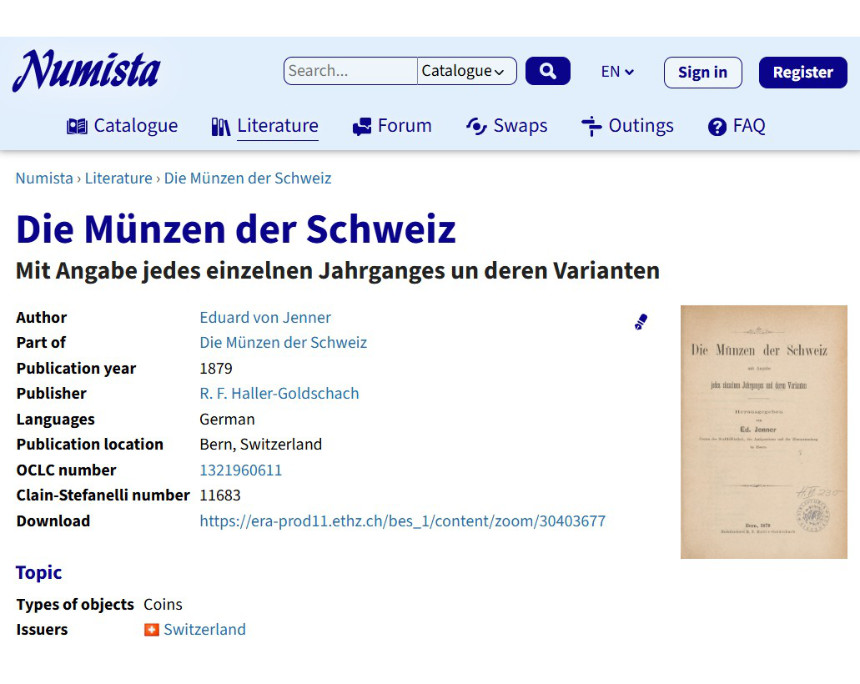
Numista Now Has a New Literature Section
Numista has recently expanded its offerings with a dedicated section for numismatic literature, providing a valuable resource for researchers and enthusiasts alike. A particularly innovative feature of this section is its integration with Numista’s existing coin catalogue, which allows users to seamlessly navigate from a reference number of a coin to the corresponding literary reference, and from that catalogue back to the numismatic objects listed within.
Archive: Coins, Medals and more
 https://new.coinsweekly.com/wp-content/uploads/2024/10/2024KW42HA2_00.jpg
684
860
Lucie Loechel
https://new.coinsweekly.com/wp-content/uploads/2023/01/logo-coinsweekly_590x204.png
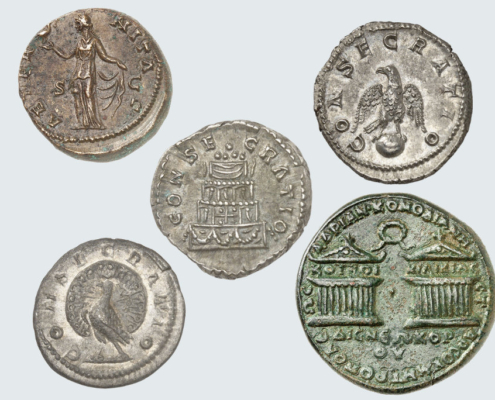
Lucie Loechel2024-10-17 10:44:212024-10-17 11:19:35Oh Dear, I Think I’m Becoming a God! Numismatic Testaments to the Consecration of Roman Emperors
https://new.coinsweekly.com/wp-content/uploads/2024/10/2024KW42HA2_00.jpg
684
860
Lucie Loechel
https://new.coinsweekly.com/wp-content/uploads/2023/01/logo-coinsweekly_590x204.png
Lucie Loechel2024-10-17 10:44:212024-10-17 11:19:35Oh Dear, I Think I’m Becoming a God! Numismatic Testaments to the Consecration of Roman Emperors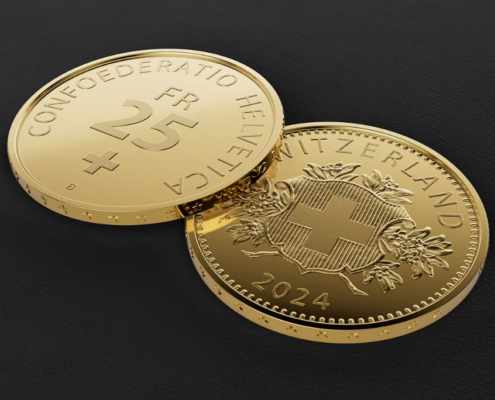 https://new.coinsweekly.com/wp-content/uploads/2024/10/2024KW44HA_00.jpg
684
860
Lucie Loechel
https://new.coinsweekly.com/wp-content/uploads/2023/01/logo-coinsweekly_590x204.png
Lucie Loechel2024-10-30 11:12:142024-10-30 11:12:1425 Francs in Gold: Swissmint’s New Gold Coin
https://new.coinsweekly.com/wp-content/uploads/2024/10/2024KW44HA_00.jpg
684
860
Lucie Loechel
https://new.coinsweekly.com/wp-content/uploads/2023/01/logo-coinsweekly_590x204.png
Lucie Loechel2024-10-30 11:12:142024-10-30 11:12:1425 Francs in Gold: Swissmint’s New Gold Coin
New Euro Banknotes – It Will Be One of These Two Themes
It is intended that euro banknotes are redesigned every 10 to 15 years. This is a long process that already has been going on for a while. The search is currently on for a theme for the future designs. Two finalists have now been chosen.
There’s a Lot Going on at Swissmint!
A new website, a new online shop, a new layout for its customer magazine – these are just some of the innovations Swissmint has in store for us. The mint has changed profoundly over the past two years. Ursula Kampmann explains how.