







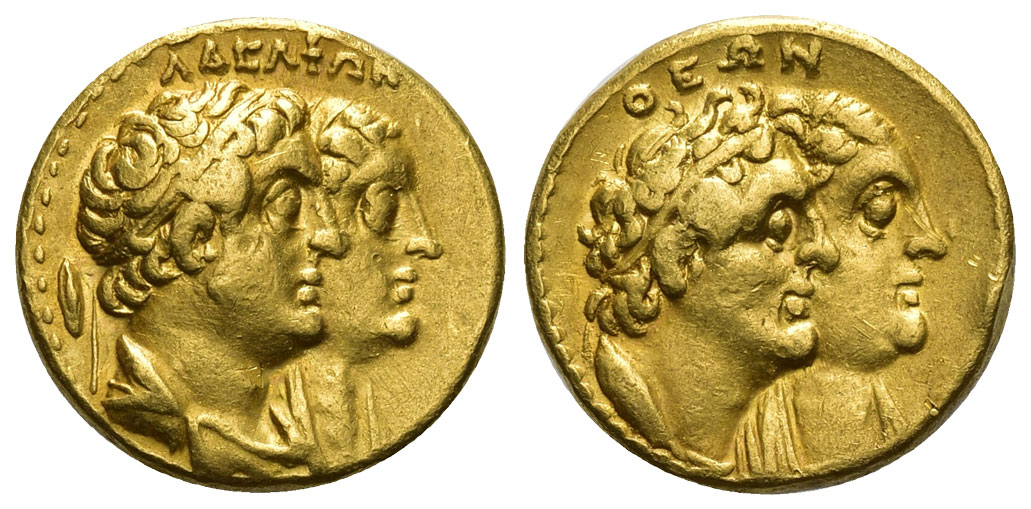
AV Tetradrachm (282–272 BC),
King Ptolemy II and Queen Arsinoe II.
From the major collection of Alexandria mint.
Condition: vf+
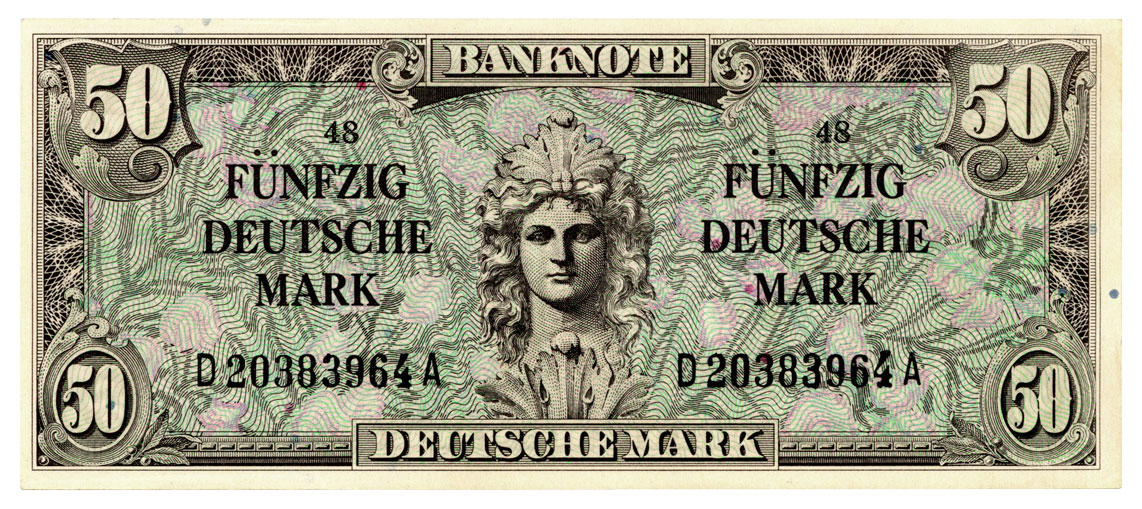
50 Deutsche Mark o.D. ( 1948-1949) "Liberty".
Condition: extremly rare, I
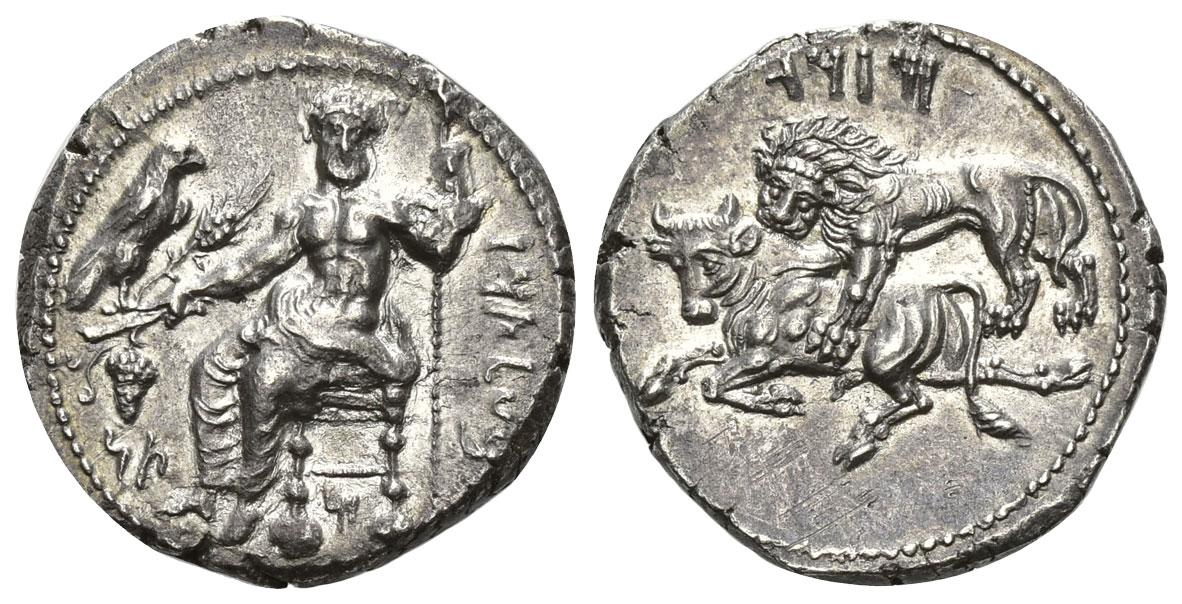
AR Stater (361-334 BC).
Obv. Baal of Tarsos.
Conditon: ef
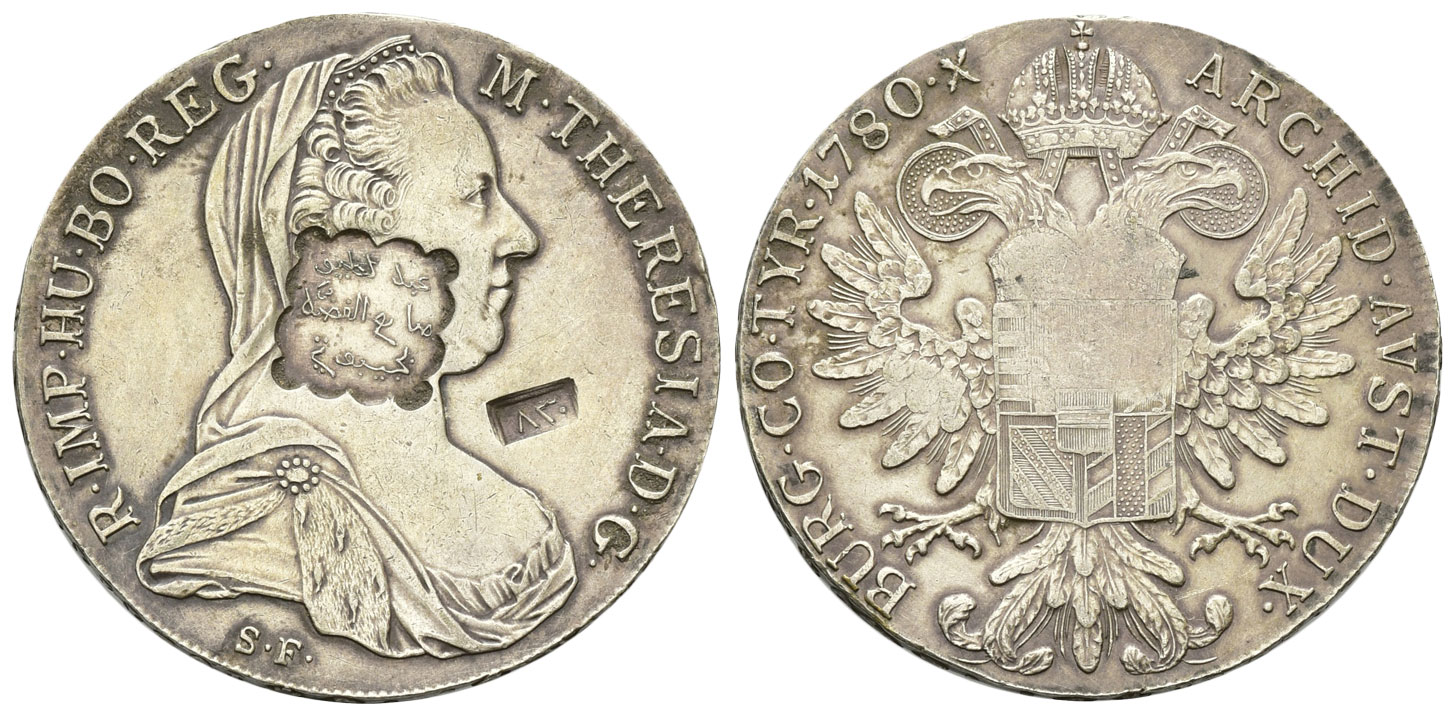
Taler 1780 SF
with counter stamp Djibouti (1870-1900).
Condition: vf
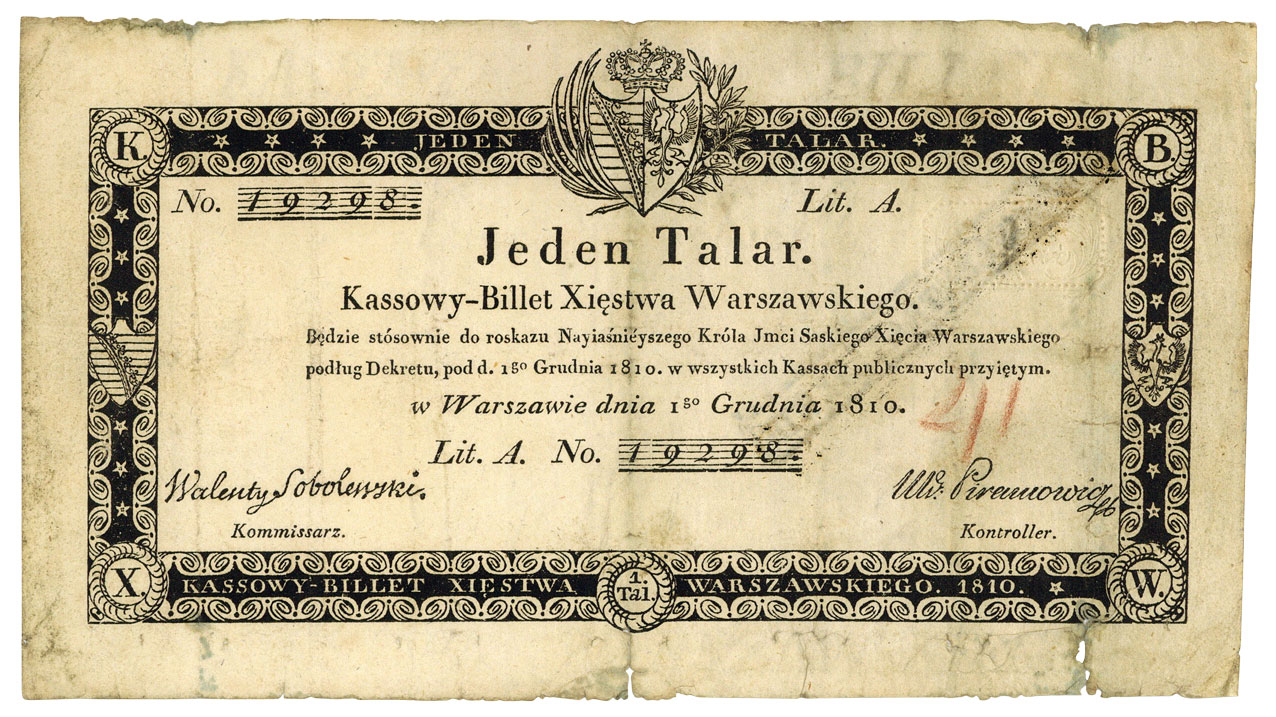
1 Talar 1. December 1810.
Condition: III-IV
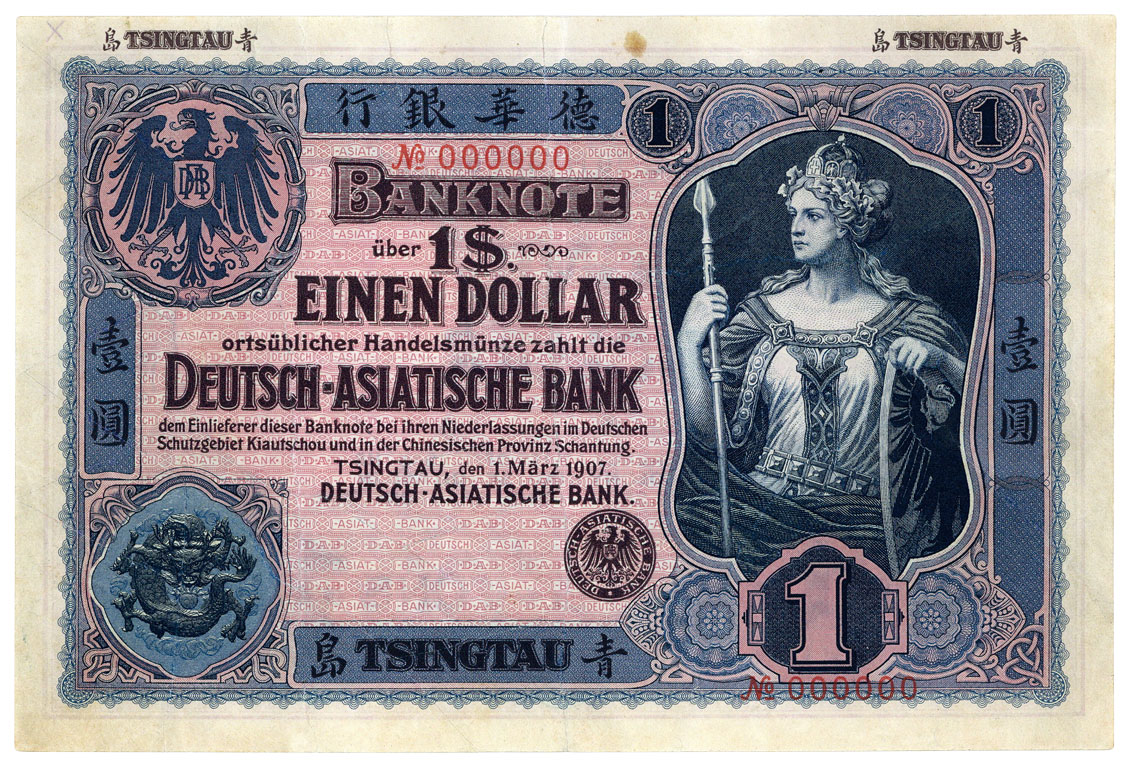
1 Dollar 1.3.1907, Tsingtao.
Condition: very rare, restored
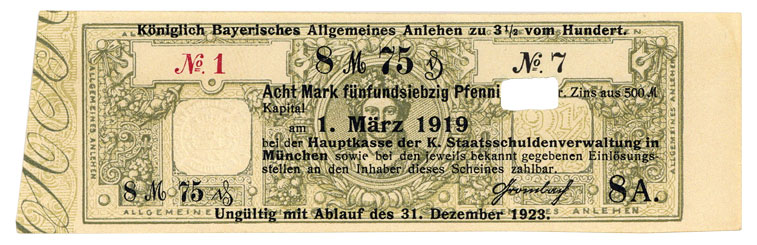
Royal Bavarian General Loan.
8.75 Marks, March 1, 1919.
Condition: rare, I
Archive: People and Markets

The End of Mint of Finland
Mint of Finland will close its doors in the spring of 2025. The Board of Directors of Mint of Finland announced this decision on 28 August 2024. Ursula Kampmann sums up the situation.
RNS Early Career Lectures 2024: Call for Papers!
The Royal Numismatic Society is looking for two students or early career professionals to give a lecture to its members in February 2024. As this will take place over Zoom everybody from all over the world is encouraged to submit a proposal soon!
Archive: Coins, Medals and more
 https://new.coinsweekly.com/wp-content/uploads/2023/09/2023KW38HA_00.jpg
684
860
Ursula Kampmann
https://new.coinsweekly.com/wp-content/uploads/2023/01/logo-coinsweekly_590x204.png
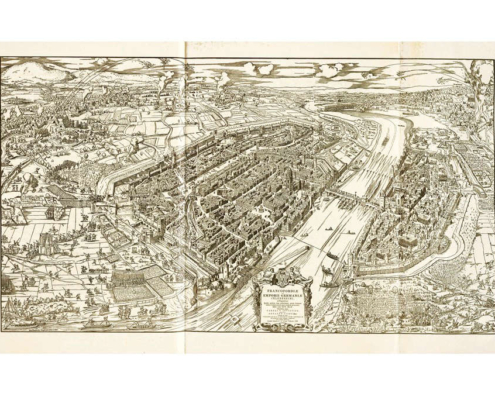
Ursula Kampmann2023-09-21 08:00:202023-09-21 14:13:23Two Cityscapes on Coins From Frankfurt am Main and The Artwork That Inspired Them
https://new.coinsweekly.com/wp-content/uploads/2023/09/2023KW38HA_00.jpg
684
860
Ursula Kampmann
https://new.coinsweekly.com/wp-content/uploads/2023/01/logo-coinsweekly_590x204.png
Ursula Kampmann2023-09-21 08:00:202023-09-21 14:13:23Two Cityscapes on Coins From Frankfurt am Main and The Artwork That Inspired Them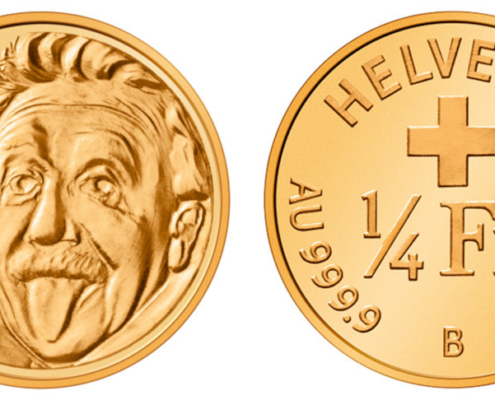 https://new.coinsweekly.com/wp-content/uploads/2023/06/00ab.jpg
486
1000
Bruno
https://new.coinsweekly.com/wp-content/uploads/2023/01/logo-coinsweekly_590x204.png
Bruno2022-06-13 13:27:592023-06-29 11:34:06Swissmint, a Mint of Records
https://new.coinsweekly.com/wp-content/uploads/2023/06/00ab.jpg
486
1000
Bruno
https://new.coinsweekly.com/wp-content/uploads/2023/01/logo-coinsweekly_590x204.png
Bruno2022-06-13 13:27:592023-06-29 11:34:06Swissmint, a Mint of Records
Coinwatch – Watches With Coins For Enthusiasts
Coinwatch had a vision when it was founded in 1984: to combine coins and watches for those who love coins and wish to display them. The birth of watches with coins as dials.
Museum of American Finance Announces New Exhibit Headquarters
The Museum of American Finance, a Smithsonian affiliate, is relocating to Boston with a new 5,400 sq ft space set to open on July 1, 2026. This marks its first permanent exhibit location since leaving 48 Wall Street in New York in 2018 after a flood damaged the facility but spared its renowned collections.