







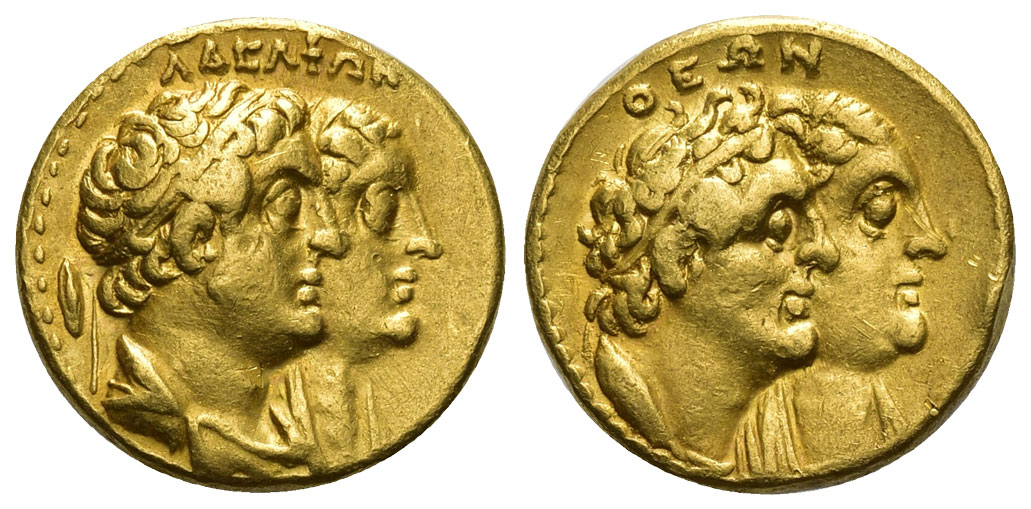
AV Tetradrachm (282–272 BC),
King Ptolemy II and Queen Arsinoe II.
From the major collection of Alexandria mint.
Condition: vf+
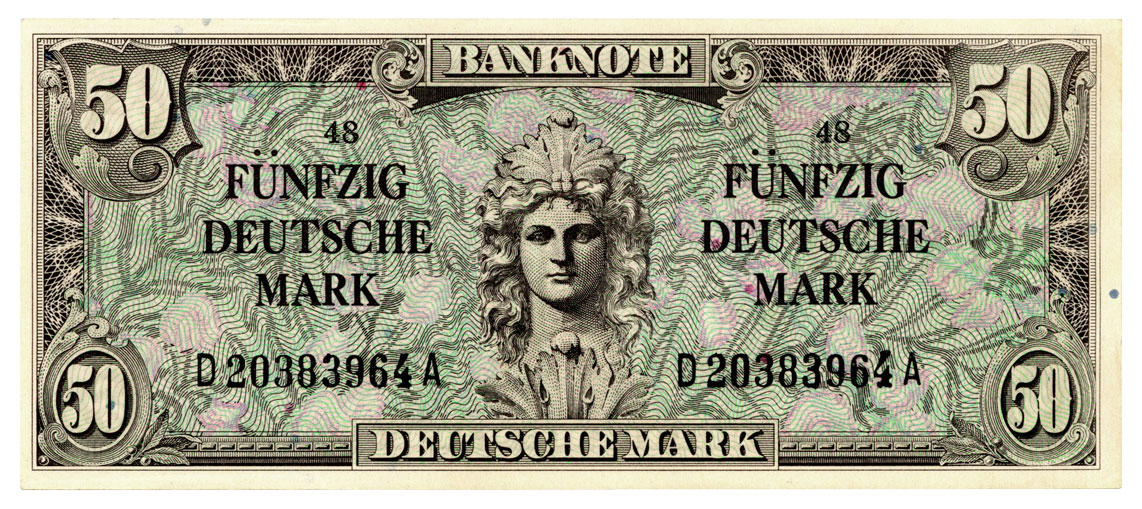
50 Deutsche Mark o.D. ( 1948-1949) "Liberty".
Condition: extremly rare, I
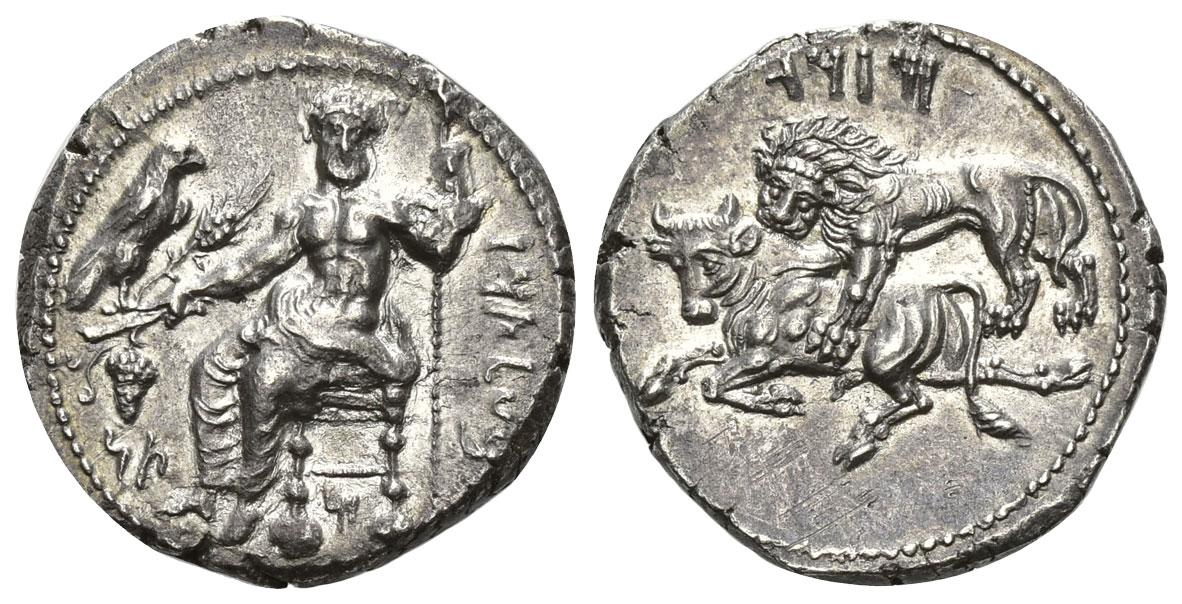
AR Stater (361-334 BC).
Obv. Baal of Tarsos.
Conditon: ef
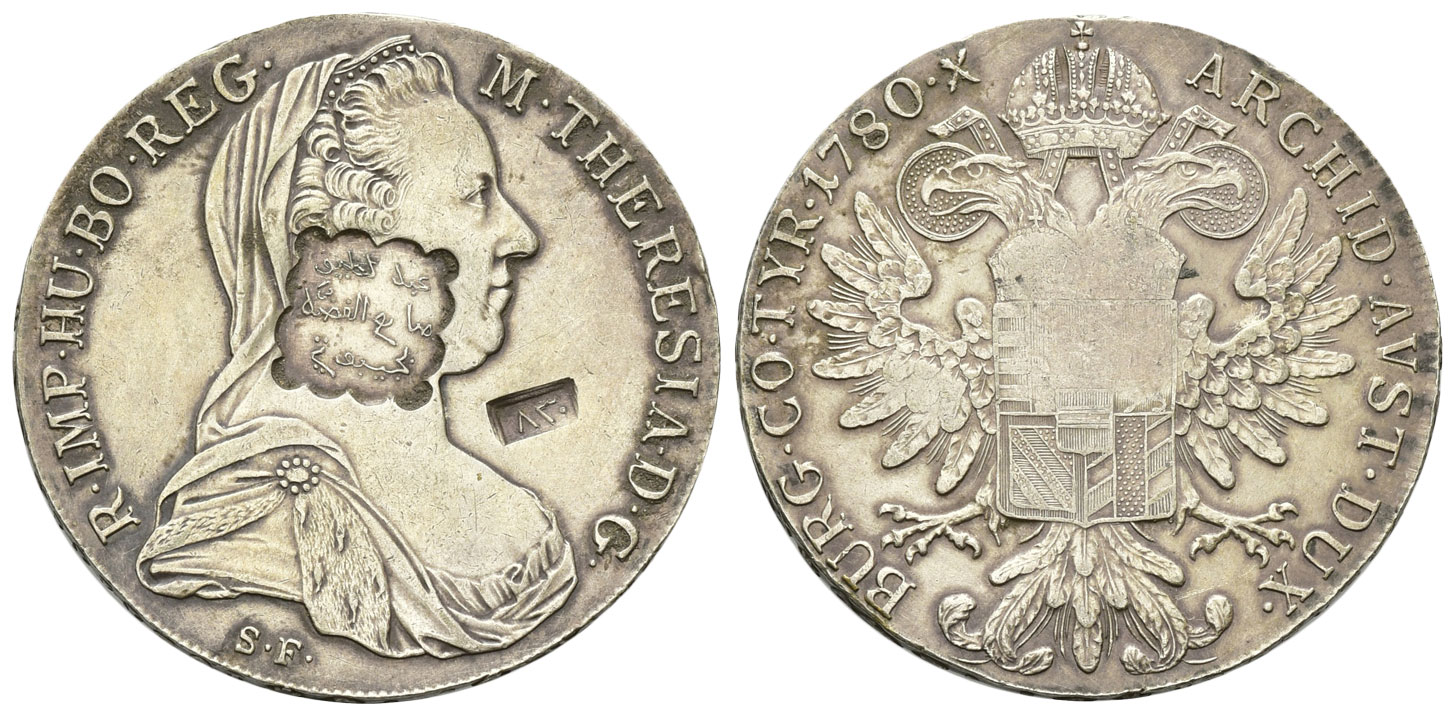
Taler 1780 SF
with counter stamp Djibouti (1870-1900).
Condition: vf
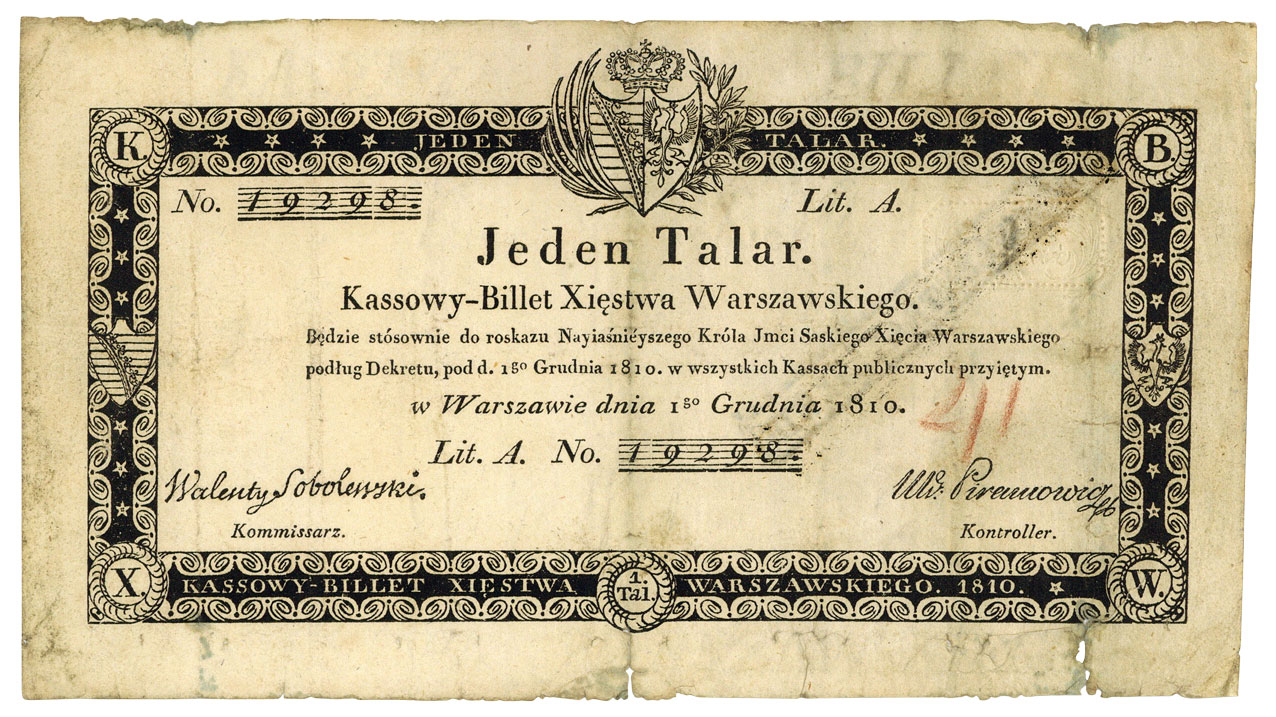
1 Talar 1. December 1810.
Condition: III-IV
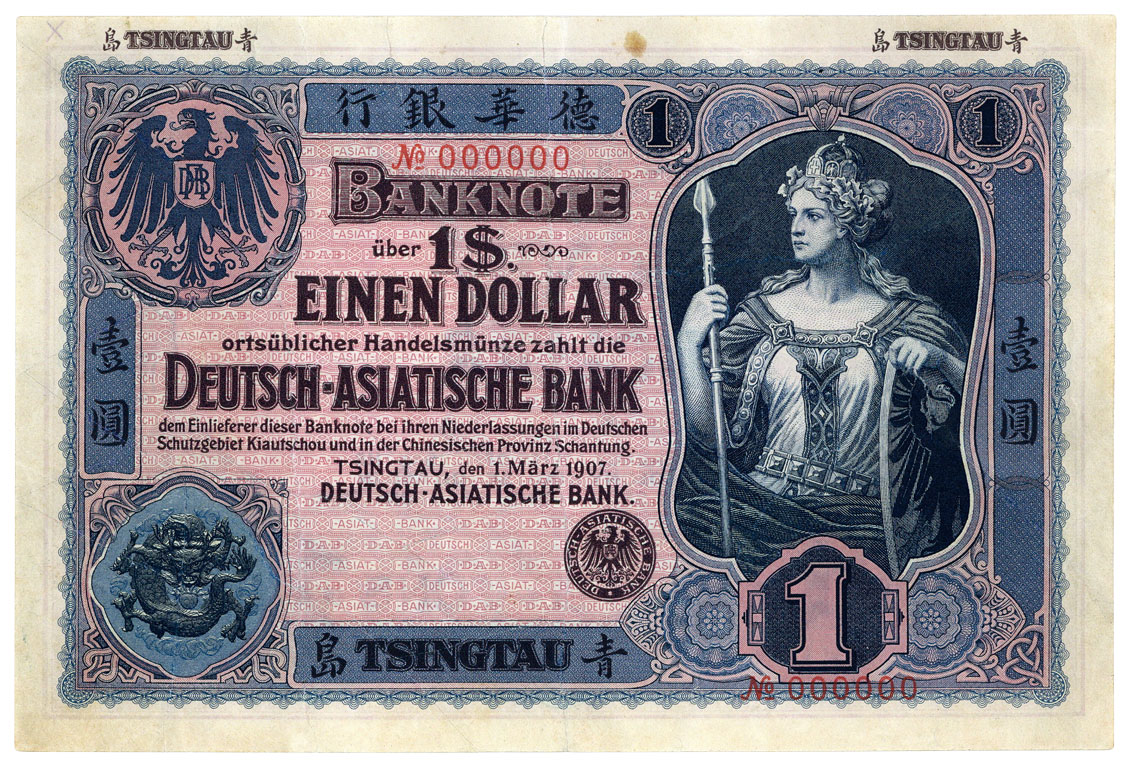
1 Dollar 1.3.1907, Tsingtao.
Condition: very rare, restored
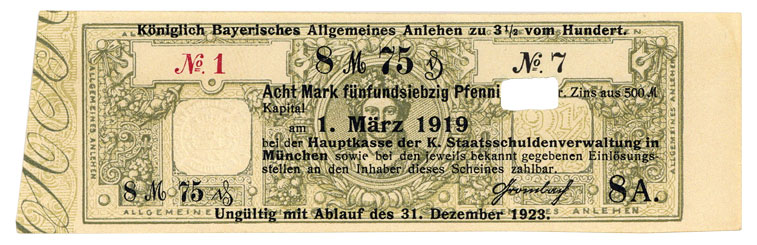
Royal Bavarian General Loan.
8.75 Marks, March 1, 1919.
Condition: rare, I
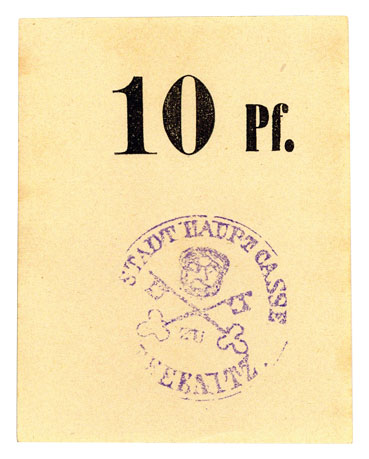
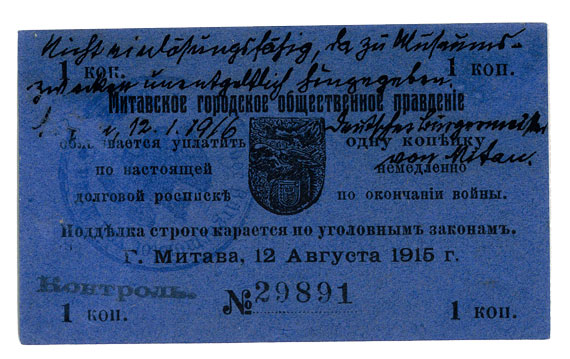
Archive: People and Markets
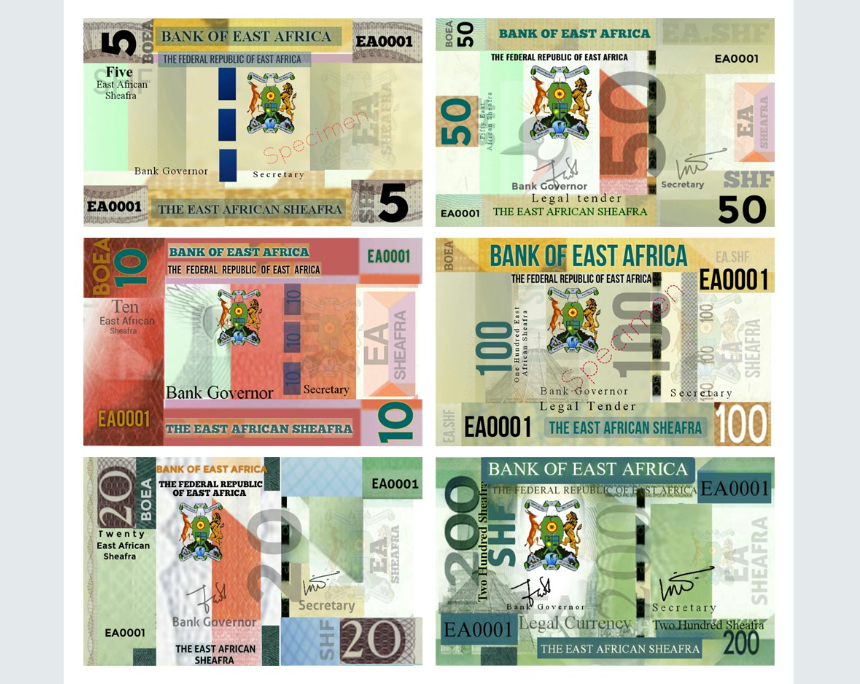
When Is a Currency Launch – Not a Currency Launch?
Nowadays, it is frighteningly easy to send misinformation around the world in a matter of seconds. Michael Alexander from the London Banknote and Monetary Research Centre uses a recent example to show that important subjects such as currency unions, or even money in general, can also be affected by this.
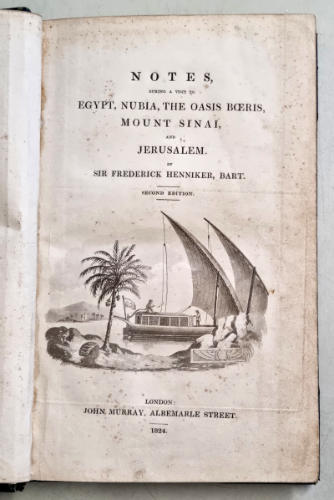
Sir Frederick Henniker: Notes during a visit to Egypt…
200 years ago, Sir Frederick Henniker embarked on his Grand Tour to the Middle East. His travelogue gives a vivid insight into the beginnings of cultural tourism and the antiquities trade. A specimen is currently being offered by Münzen & Medaillen GmbH.
Archive: Coins, Medals and more
 https://new.coinsweekly.com/wp-content/uploads/2023/06/00_DSC04222.png
506
500
Bruno
https://new.coinsweekly.com/wp-content/uploads/2023/01/logo-coinsweekly_590x204.png
Bruno2022-06-13 12:00:452023-07-03 12:18:15The National Identity of Modern Ukraine on its Commemorative Coins
https://new.coinsweekly.com/wp-content/uploads/2023/06/00_DSC04222.png
506
500
Bruno
https://new.coinsweekly.com/wp-content/uploads/2023/01/logo-coinsweekly_590x204.png
Bruno2022-06-13 12:00:452023-07-03 12:18:15The National Identity of Modern Ukraine on its Commemorative Coins https://new.coinsweekly.com/wp-content/uploads/2025/01/2025KW05HA01_00.jpg
684
860
Lucie Loechel
https://new.coinsweekly.com/wp-content/uploads/2023/01/logo-coinsweekly_590x204.png
Lucie Loechel2025-01-29 10:30:092025-01-30 07:13:21Record! South African Rarity Leaves All Previous Top Prices Far Behind
https://new.coinsweekly.com/wp-content/uploads/2025/01/2025KW05HA01_00.jpg
684
860
Lucie Loechel
https://new.coinsweekly.com/wp-content/uploads/2023/01/logo-coinsweekly_590x204.png
Lucie Loechel2025-01-29 10:30:092025-01-30 07:13:21Record! South African Rarity Leaves All Previous Top Prices Far Behind
“Money Talks” – Understanding Leaders in the Collectibles Market
“Money Talks” is the new show of Stack’s Bowers Galleries proposing conversations with market makers and leaders within the world of rare collectibles and finance. Episode 3 features former CCG chairman Mark Salzberg. And season two is about to come.
From a Collector’s Market to an Investor’s Market: Reasons, Consequences, Opportunities, Part 1
Complaining is of no use: change is coming, or may already be here. The question is how to deal with it. In order to develop smart strategies, one must be aware of what is actually happening and why. Ursula Kampmann summarizes the most important changes in the coin world in a loose series. Today: the shift from a collector to an investor market.