







Archive: People and Markets
Submission to the NLG Awards 2024
The Numismatic Literary Guild (NLG) has announced its annual awards competition for 2024. All entries must be received no later than Monday, June 17, 2024. Participation is restricted to NLG members only.
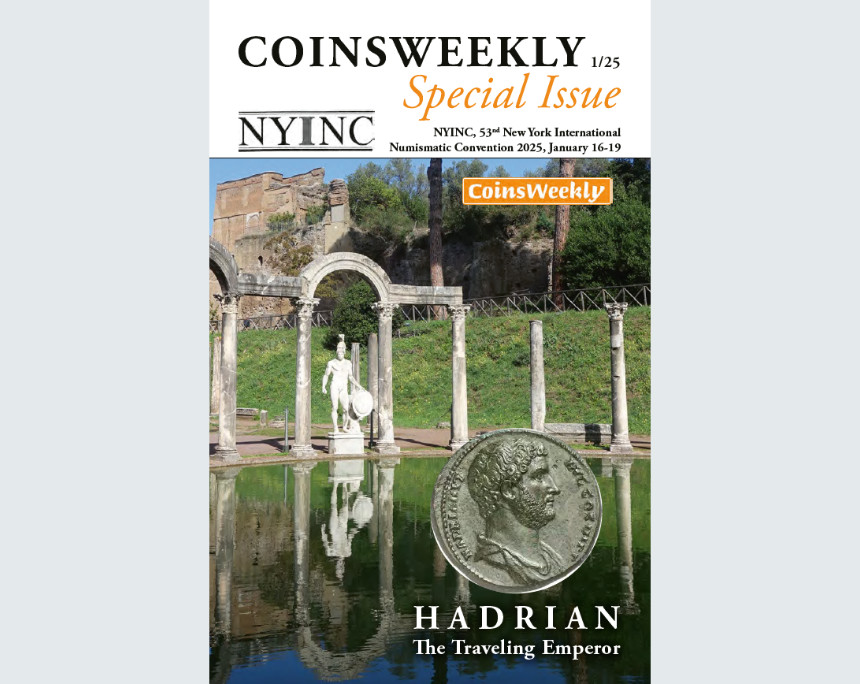
Hadrian, the Traveling Emperor– Our CoinsWeekly NYINC Special Issue
Few emperors seem as likeable as Hadrian, an emperor from the provinces for the provinces, who was very different from all his predecessors. Learn more about Hadrian and his coinage in our new CoinsWeekly Special Issue for NYINC 2025. Now available as a free download!
Archive: Coins, Medals and more
 https://new.coinsweekly.com/wp-content/uploads/2024/01/2023KW03HA_00.jpg
684
860
Ursula Kampmann
https://new.coinsweekly.com/wp-content/uploads/2023/01/logo-coinsweekly_590x204.png
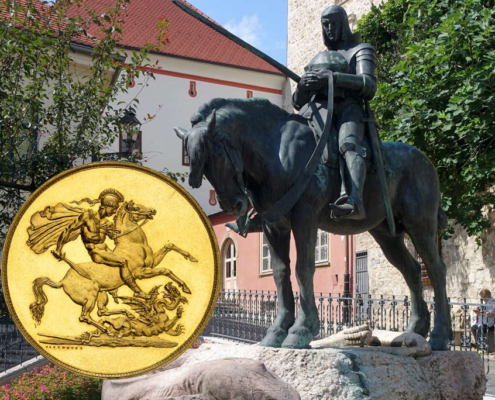
Ursula Kampmann2024-01-18 08:00:542024-01-18 10:35:27Why Are There So Many Coins Depicting Saint George?
https://new.coinsweekly.com/wp-content/uploads/2024/01/2023KW03HA_00.jpg
684
860
Ursula Kampmann
https://new.coinsweekly.com/wp-content/uploads/2023/01/logo-coinsweekly_590x204.png
Ursula Kampmann2024-01-18 08:00:542024-01-18 10:35:27Why Are There So Many Coins Depicting Saint George?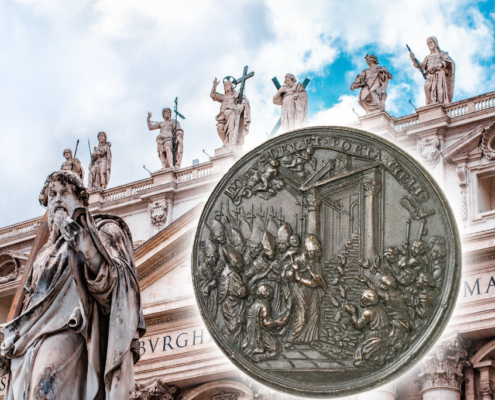 https://new.coinsweekly.com/wp-content/uploads/2024/03/2024KW10HA_00.jpg
684
860
Ursula Kampmann
https://new.coinsweekly.com/wp-content/uploads/2023/01/logo-coinsweekly_590x204.png
Ursula Kampmann2024-03-07 11:39:512024-03-07 14:21:30Coins and Medals of the Popes: Representatives of the Catholic Church
https://new.coinsweekly.com/wp-content/uploads/2024/03/2024KW10HA_00.jpg
684
860
Ursula Kampmann
https://new.coinsweekly.com/wp-content/uploads/2023/01/logo-coinsweekly_590x204.png
Ursula Kampmann2024-03-07 11:39:512024-03-07 14:21:30Coins and Medals of the Popes: Representatives of the Catholic Church
Between Tradition and the Demands of a New Economic World
The 32nd Mint Directors Conference took place in Cape Town from April 27th to 29th, 2025. It was the highlight of my numismatic journey through South Africa. In an international context, South Africa presented itself as a promising country of (numismatic) opportunities.
A Force of Nature Embodied in a Coin: CIT’s Lost City – Pompeii
CIT has captured the dramatic eruption of Mount Vesuvius in the year 79 with a three-dimensional representation. True to scale, and thanks to smartminting® in every detail, we see erupting Vesuvius, pouring its lava over the buildings of the city of Pompeii.