








Archive: People and Markets
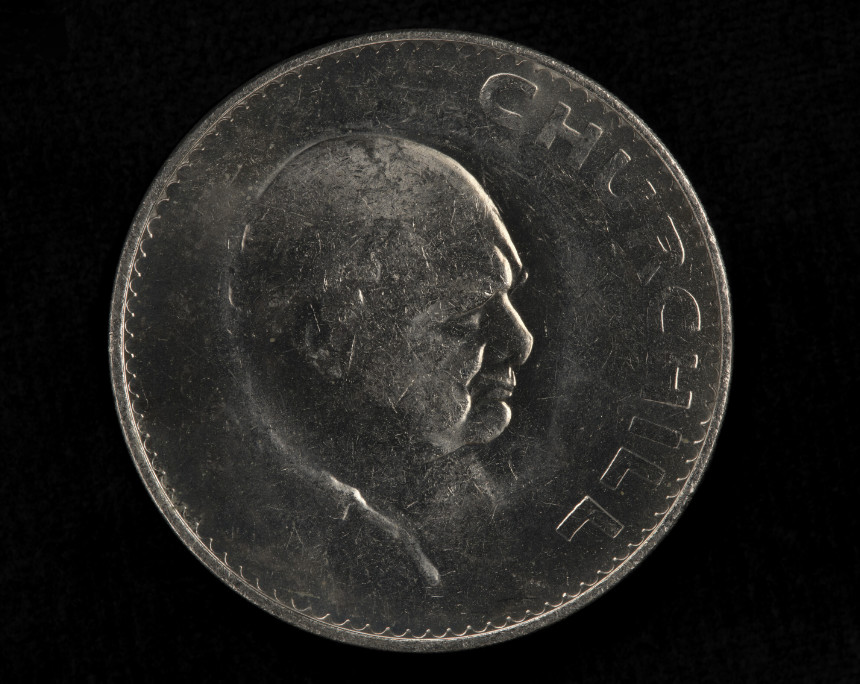
Sir Winston Churchill at 150: Highlights From the J. Eric Engstrom Medal Collection
Last November, Winston Churchill would have turned 150 years old. To mark the occasion, the Heberden Coin Room at the Ashmolean is displaying pieces from their rich collection of medals related to Churchill, most of which come from the J. Eric Engstrom Collection of Churchill Medals.
COTY Awards Have an In-Person Ceremony Again
For many years the Coin of the Year Awards have been given in a ceremony during the World Money Fair in Berlin. In 2023, the program will conduct again an in-person awards ceremony after a three-year hiatus due to the pandemic – but in another place.
Archive: Coins, Medals and more
 https://new.coinsweekly.com/wp-content/uploads/2023/06/CoCo05_15.jpg
534
1000
Ursula Kampmann
https://new.coinsweekly.com/wp-content/uploads/2023/01/logo-coinsweekly_590x204.png
Ursula Kampmann2022-06-13 09:54:432023-06-27 10:33:10The French Marianne I: Marianne as a Representative of the French People – Part 2
https://new.coinsweekly.com/wp-content/uploads/2023/06/CoCo05_15.jpg
534
1000
Ursula Kampmann
https://new.coinsweekly.com/wp-content/uploads/2023/01/logo-coinsweekly_590x204.png
Ursula Kampmann2022-06-13 09:54:432023-06-27 10:33:10The French Marianne I: Marianne as a Representative of the French People – Part 2 https://new.coinsweekly.com/wp-content/uploads/2025/02/2025KW06HA_00.jpg
684
860
Lucie Loechel
https://new.coinsweekly.com/wp-content/uploads/2023/01/logo-coinsweekly_590x204.png
Lucie Loechel2025-02-06 07:00:302025-02-06 15:38:12Coins on Coins: When Numismatic Legends Are Reborn
https://new.coinsweekly.com/wp-content/uploads/2025/02/2025KW06HA_00.jpg
684
860
Lucie Loechel
https://new.coinsweekly.com/wp-content/uploads/2023/01/logo-coinsweekly_590x204.png
Lucie Loechel2025-02-06 07:00:302025-02-06 15:38:12Coins on Coins: When Numismatic Legends Are Reborn
CIT’ Numismatic Icons – Leon
CIT is releasing the sixth issue in its successful Numismatic Icons series. It reinterprets the early tetradrachms of the Sicilian city of Leontinoi. The impressive motif of a lion’s head – ‘leon’ in Greek – has always made these coins unique.
Certified Collectibles Group Opens Office in Dubai
The Certified Collectibles Group has opened an office in Dubai. Collectors and dealers in the Middle East now have easier access to expert authentication, grading and encapsulation services provided by NGC, PMG, CGC and JSA.