








Archive: People and Markets
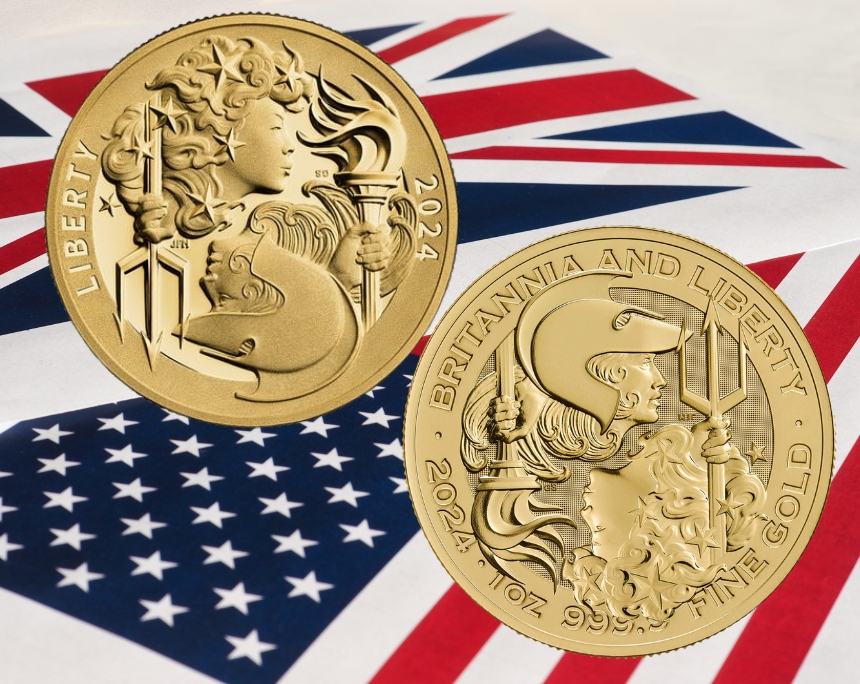
Two Powerful Women – a Premiere in Gold and Silver
The British Royal Mint and the United States Mint collaborated to create a joint issue combining the well-known coin motifs of Lady Liberty and Britannia. They went all the way and had the chief engravers of both mints group up for a one-of-a-kind partnership.

A New Era for the Caribbean: The Caribbean Guilder is Coming
In March 2025, a new currency will be introduced – the Caribbean Guilder. Collectors can look forward to intricately designed coins and banknotes that highlight the cultural and maritime identity of the islands of Curaçao and Sint Maarten.
Archive: Coins, Medals and more
 https://new.coinsweekly.com/wp-content/uploads/2024/02/2024KW09aHauptartikel_00.jpg
684
860
Ursula Kampmann
https://new.coinsweekly.com/wp-content/uploads/2023/01/logo-coinsweekly_590x204.png
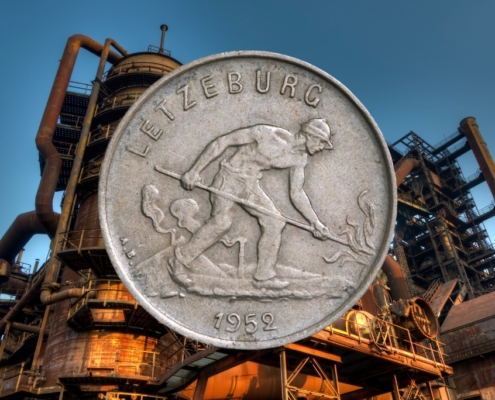
Ursula Kampmann2024-02-29 09:19:272024-02-29 14:11:43A Coin on a Coin: Luxembourg to Resurrect the “Feierstëppler”
https://new.coinsweekly.com/wp-content/uploads/2024/02/2024KW09aHauptartikel_00.jpg
684
860
Ursula Kampmann
https://new.coinsweekly.com/wp-content/uploads/2023/01/logo-coinsweekly_590x204.png
Ursula Kampmann2024-02-29 09:19:272024-02-29 14:11:43A Coin on a Coin: Luxembourg to Resurrect the “Feierstëppler”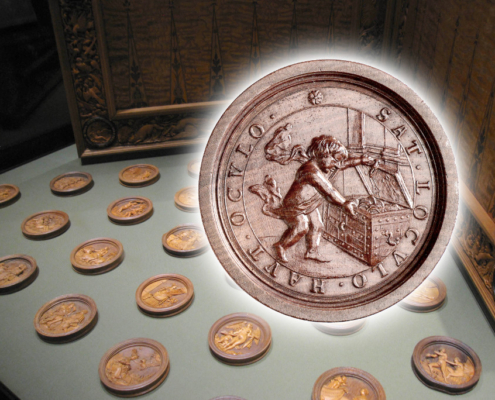 https://new.coinsweekly.com/wp-content/uploads/2025/05/2025KW20HA01_00.jpg
684
860
Lucie Loechel
https://new.coinsweekly.com/wp-content/uploads/2023/01/logo-coinsweekly_590x204.png
Lucie Loechel2025-05-15 11:34:482025-05-15 11:34:48What Do Gaming Counters Have to Do with Numismatics?
https://new.coinsweekly.com/wp-content/uploads/2025/05/2025KW20HA01_00.jpg
684
860
Lucie Loechel
https://new.coinsweekly.com/wp-content/uploads/2023/01/logo-coinsweekly_590x204.png
Lucie Loechel2025-05-15 11:34:482025-05-15 11:34:48What Do Gaming Counters Have to Do with Numismatics?
Gold Coins With Altered Years: Also a Known Problem in Switzerland
In one of our last issues, we published an article by NGC about a Prussian gold coin with an altered year. Switzerland is also very familiar with such forgeries, as Patrick Huber tells us.
G+D Receives IACA Award for the “Green Banknote”
The “Green Banknote”, developed by Giesecke+Devrient, was awarded by the International Association of Currency Affairs as the new best ecological sustainability project in the banknote sector. Why? Read on.