











Archive: People and Markets
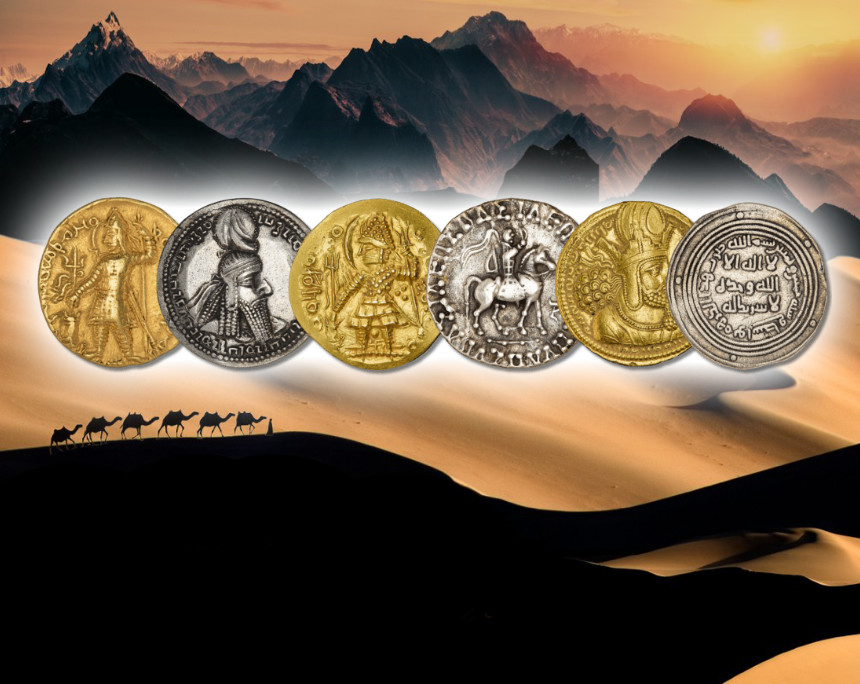
Silk, Silver, and Spice: Money Museum’s New Exhibit Explores Treasures of Trade
Today, the Edward C. Rochette Money Museum in Colorado Springs opens its newest exhibition. “The Silk Road(s): A Numismatic Travelogue” will take observers on a journey of commerce, culture, and connections made possible through coinage.
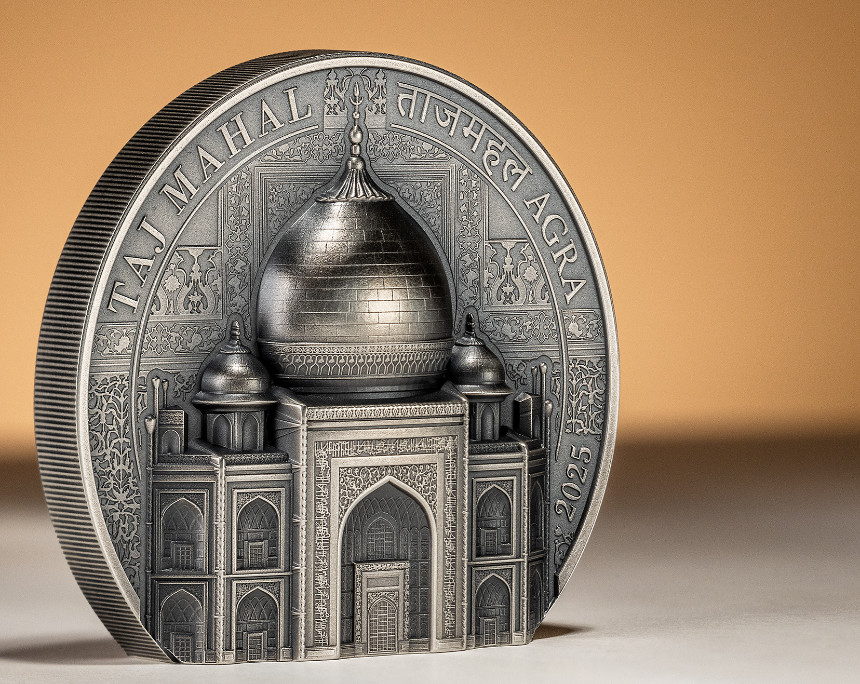
CIT’s Historical Monuments – Taj Mahal
The Taj Mahal is considered the most beautiful testimony to Islamic architecture in India and a symbol of love in stone. CIT chose this wonderful building as the subject of the 2025 issue in the Historical Monuments series.
Archive: Coins, Medals and more
 https://new.coinsweekly.com/wp-content/uploads/2024/10/2024KW42HA1_00.jpg
684
860
Lucie Loechel
https://new.coinsweekly.com/wp-content/uploads/2023/01/logo-coinsweekly_590x204.png
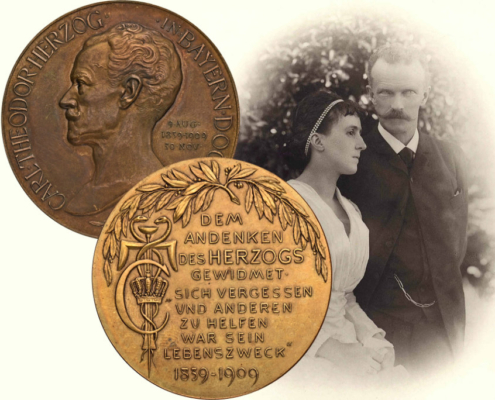
Lucie Loechel2024-10-17 10:51:292024-10-17 15:10:28Carl Theodor in Bavaria: The Old Nobility Takes Up a New Role
https://new.coinsweekly.com/wp-content/uploads/2024/10/2024KW42HA1_00.jpg
684
860
Lucie Loechel
https://new.coinsweekly.com/wp-content/uploads/2023/01/logo-coinsweekly_590x204.png
Lucie Loechel2024-10-17 10:51:292024-10-17 15:10:28Carl Theodor in Bavaria: The Old Nobility Takes Up a New Role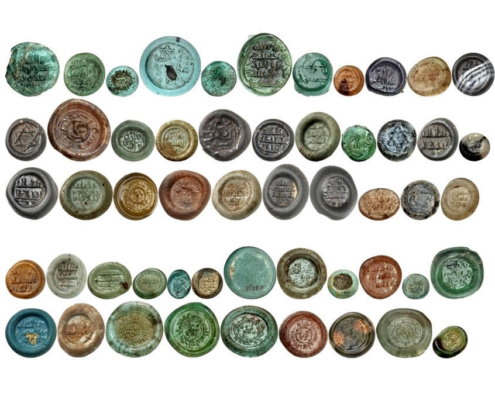 https://new.coinsweekly.com/wp-content/uploads/2024/11/2024KW47HA1_00.jpg
684
860
Lucie Loechel
https://new.coinsweekly.com/wp-content/uploads/2023/01/logo-coinsweekly_590x204.png
Lucie Loechel2024-11-21 10:15:332024-11-21 10:15:50Important Collection of Islamic Glass Weights at Numismatica Genevensis SA
https://new.coinsweekly.com/wp-content/uploads/2024/11/2024KW47HA1_00.jpg
684
860
Lucie Loechel
https://new.coinsweekly.com/wp-content/uploads/2023/01/logo-coinsweekly_590x204.png
Lucie Loechel2024-11-21 10:15:332024-11-21 10:15:50Important Collection of Islamic Glass Weights at Numismatica Genevensis SA
Caribbean Guilder: Joint Currency Introduced for Curaçao and Sint Maarten
The new currency replaces the Antillean Guilder, retains its value, and is pegged to the US dollar – with fresh designs inspired by the sea and local culture.
The Brahekyrkan Coin Hoard – A Sensational Find on Visingsö
Swedish archaeologists made a spectacular discovery on the island of Visingsö. They found 170 coins from the mid-12th century in a grave, posing a number of questions.