








Archive: People and Markets

Stack’s Bowers Galleries Opens New Gallery in Miami, Florida
On the heels of their recently opened Copenhagen office, Stack’s Bowers Galleries again increases their global presence: a new rare coin gallery and showroom will soon open in the heart of Brickell, Florida, Miami’s vibrant financial district.
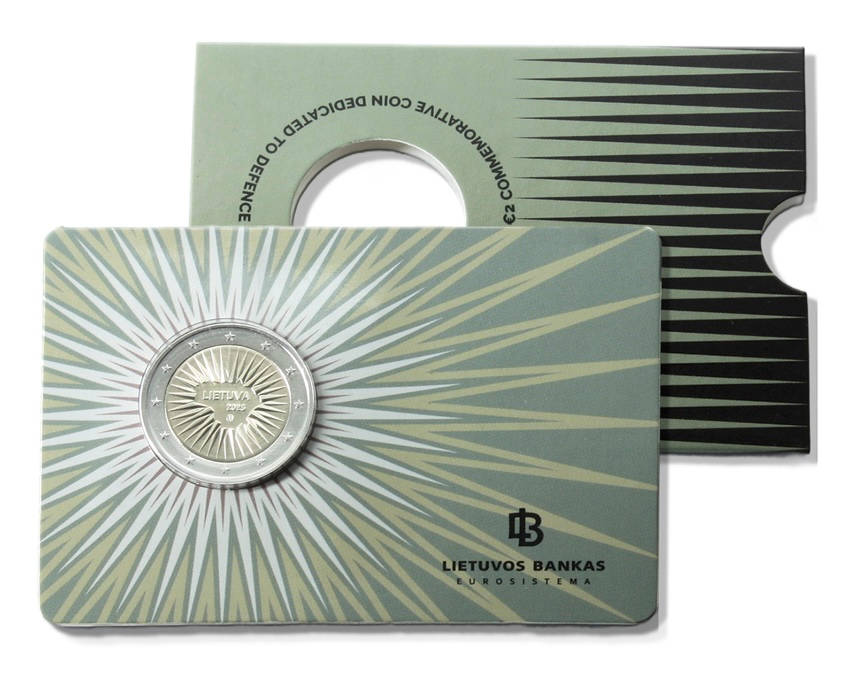
2-Euro Ticker: New €2 Coins in March 2025
Rumours about upcoming small-state euro issues are creating a buzz – and the collector year 2026 is already casting its numismatic shadow.
Archive: Coins, Medals and more
 https://new.coinsweekly.com/wp-content/uploads/2024/05/2024KW19HA_00.jpg
684
860
Ursula Kampmann
https://new.coinsweekly.com/wp-content/uploads/2023/01/logo-coinsweekly_590x204.png
Ursula Kampmann2024-05-08 08:46:252024-05-08 08:46:25The First Years of Czechoslovak Coinage
https://new.coinsweekly.com/wp-content/uploads/2024/05/2024KW19HA_00.jpg
684
860
Ursula Kampmann
https://new.coinsweekly.com/wp-content/uploads/2023/01/logo-coinsweekly_590x204.png
Ursula Kampmann2024-05-08 08:46:252024-05-08 08:46:25The First Years of Czechoslovak Coinage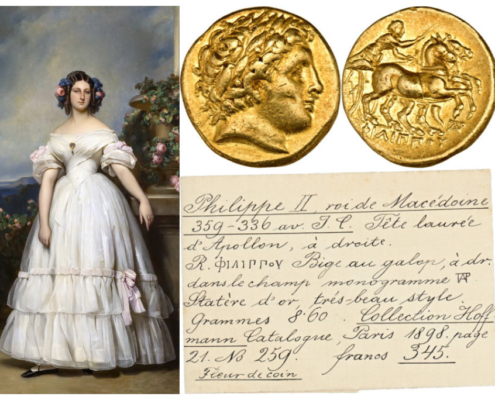 https://new.coinsweekly.com/wp-content/uploads/2024/10/2024KW43HA_00.jpg
684
860
Lucie Loechel
https://new.coinsweekly.com/wp-content/uploads/2023/01/logo-coinsweekly_590x204.png
Lucie Loechel2024-10-24 10:15:002024-10-24 13:59:31Clémentine d’Orléans: Extraordinary Woman and Coin Collector
https://new.coinsweekly.com/wp-content/uploads/2024/10/2024KW43HA_00.jpg
684
860
Lucie Loechel
https://new.coinsweekly.com/wp-content/uploads/2023/01/logo-coinsweekly_590x204.png
Lucie Loechel2024-10-24 10:15:002024-10-24 13:59:31Clémentine d’Orléans: Extraordinary Woman and Coin Collector
Have We Reached the Limit? 2-Euro Collectors Are Giving Up In the Face of a Myriad of Varieties
Collecting coins is a hobby that is not only educational but, at its best, should provide lasting pleasure. However, if you look at the relevant online forums, Facebook groups and Discord servers, you get the impression that more and more 2-euro collectors are no longer enjoying their hobby.
Pobjoy Mint to Close Their Doors at the End of the Year
Pobjoy Mint, an icon of Non-Circulating Legal Tender manufacturing have announced they will close their doors. This does not come as a surprise for those who know the market. Ursula Kampmann comments.