









Archive: People and Markets

A Great Numismatist’s Important Book Published Posthumously
About a year after Wolfram Weisers death, his book on the currency of the Roman Empire has been published. Prof. Johannes Nollé has taken a closer look at this important German study.
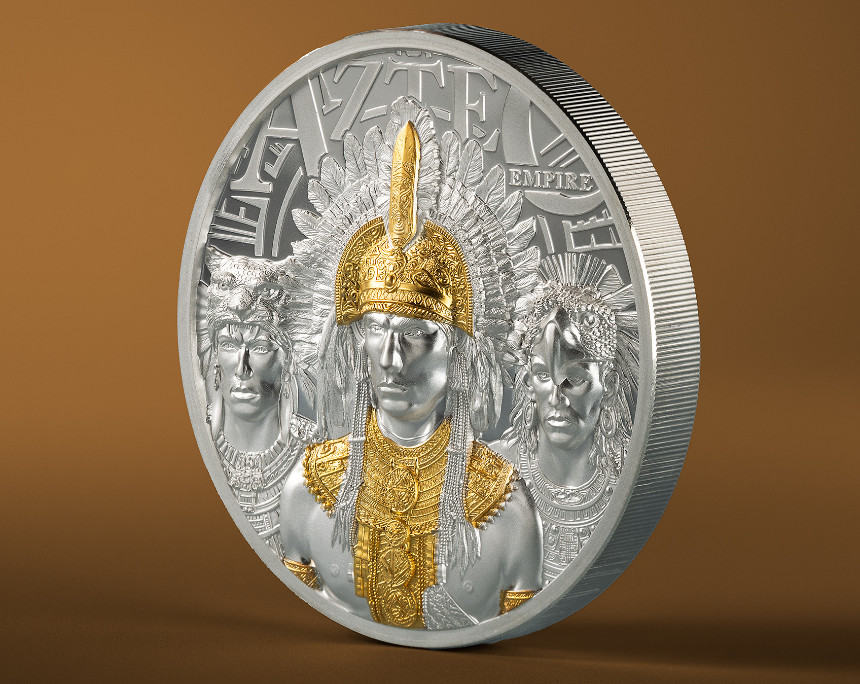
CIT Legends: Aztec Empire
CIT’s Legends series is a feast for the eyes for all those who love to immerse themselves in a coin design. The fourth release of the series is dedicated to the Aztecs, the legendary people who offered blood sacrifices to assure the rising of the sun each day.
Archive: Coins, Medals and more
 https://new.coinsweekly.com/wp-content/uploads/2023/11/2023KW46HA_00.jpg
684
860
Ursula Kampmann
https://new.coinsweekly.com/wp-content/uploads/2023/01/logo-coinsweekly_590x204.png
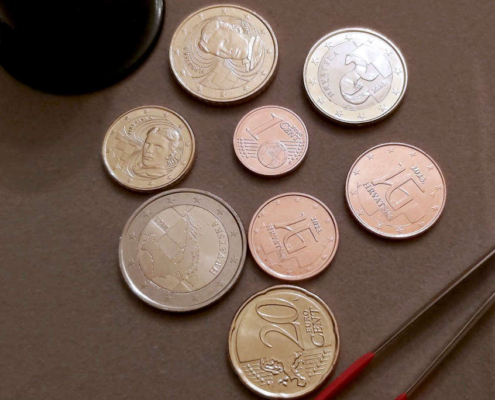
Ursula Kampmann2023-11-16 09:14:582023-11-16 09:23:58The First Error Coins from Croatia
https://new.coinsweekly.com/wp-content/uploads/2023/11/2023KW46HA_00.jpg
684
860
Ursula Kampmann
https://new.coinsweekly.com/wp-content/uploads/2023/01/logo-coinsweekly_590x204.png
Ursula Kampmann2023-11-16 09:14:582023-11-16 09:23:58The First Error Coins from Croatia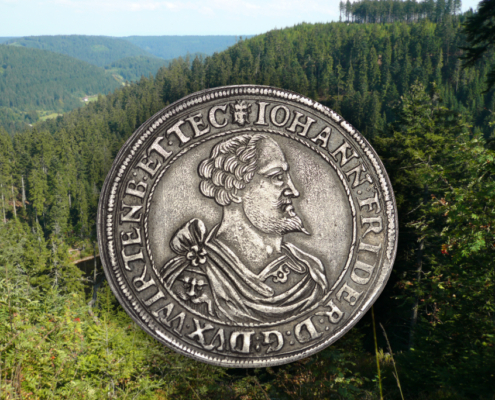 https://new.coinsweekly.com/wp-content/uploads/2024/09/2024KW36HA_00.jpg
684
860
Lucie Loechel
https://new.coinsweekly.com/wp-content/uploads/2023/01/logo-coinsweekly_590x204.png
Lucie Loechel2024-09-05 10:46:502024-09-05 13:34:39Silver for Württemberg
https://new.coinsweekly.com/wp-content/uploads/2024/09/2024KW36HA_00.jpg
684
860
Lucie Loechel
https://new.coinsweekly.com/wp-content/uploads/2023/01/logo-coinsweekly_590x204.png
Lucie Loechel2024-09-05 10:46:502024-09-05 13:34:39Silver for Württemberg
Numisstaxx: The Launch of a New Innovative Platform
The new platform Numisstaxx aims to allow its users to easily digitalize and share coins and create certificates of authenticity in a forgery-proof environment.
CAC Grading Service Begins Full Operations
With their famous green stickers, CAC was previously known mainly for the evaluation of high-grade coins already certified by other grading services. After a test phase, CAC has now fully launched its own grading service.