











Archive: People and Markets
Researchers Analyse the Myth About the Massive Illicit Trade in Antiquities
An extensive new study shows that the scale of the illicit trade in antiquities is much smaller than activists claim. The study demonstrates how these false numbers came about, and how we actually should deal with the problem of the illicit trade in antiquities.
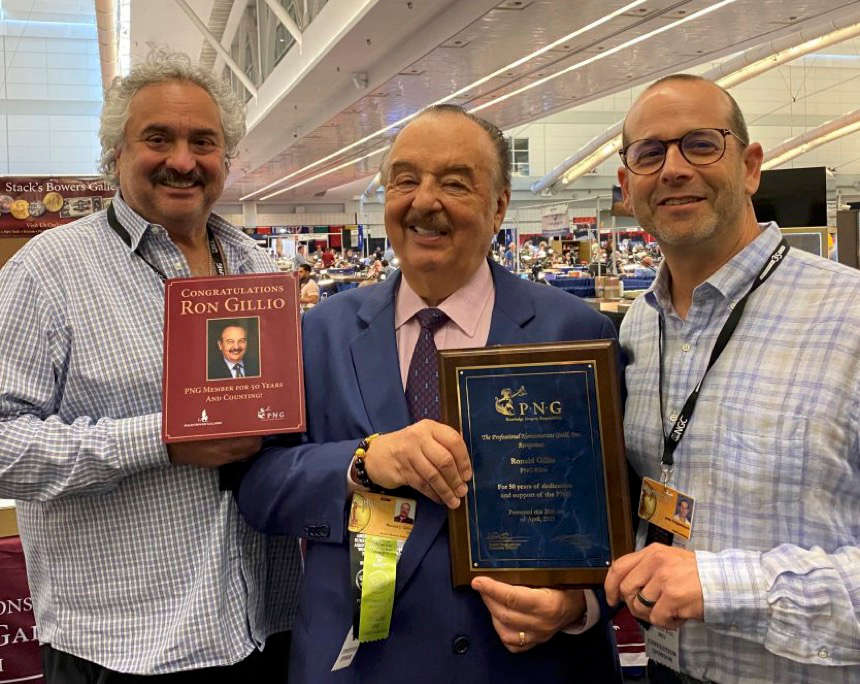
50 Years of Membership: PNG Honors Past President Gillio
At this year’s Pittsburgh World’s Fair of Money, the former president of the Professional Numismatists Guild, Ronald J. Gillio, was honored for his membership and service.
Archive: Coins, Medals and more
 https://new.coinsweekly.com/wp-content/uploads/2024/05/2024KW22HA_00.jpg
684
860
Ursula Kampmann
https://new.coinsweekly.com/wp-content/uploads/2023/01/logo-coinsweekly_590x204.png
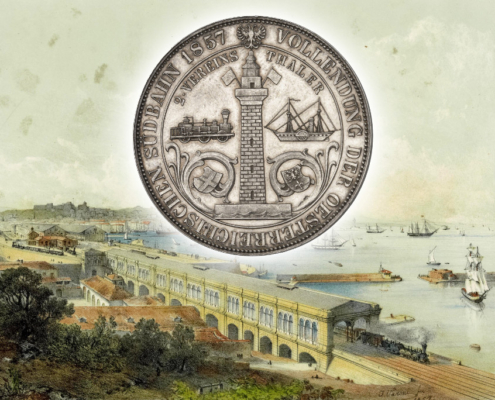
Ursula Kampmann2024-05-29 09:00:582024-05-29 15:18:10A Commemorative Coin Celebrating the Completion of Austria’s Southern Railway
https://new.coinsweekly.com/wp-content/uploads/2024/05/2024KW22HA_00.jpg
684
860
Ursula Kampmann
https://new.coinsweekly.com/wp-content/uploads/2023/01/logo-coinsweekly_590x204.png
Ursula Kampmann2024-05-29 09:00:582024-05-29 15:18:10A Commemorative Coin Celebrating the Completion of Austria’s Southern Railway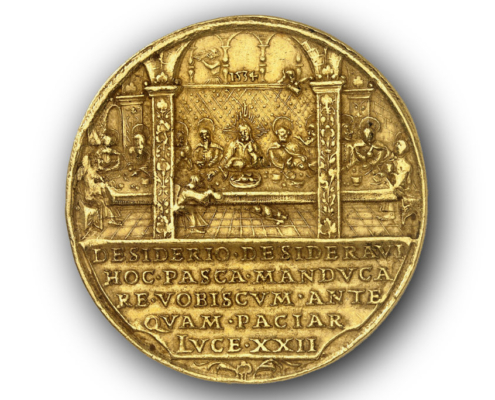 https://new.coinsweekly.com/wp-content/uploads/2025/01/2025KW02HA_00.jpg
684
860
Lucie Loechel
https://new.coinsweekly.com/wp-content/uploads/2023/01/logo-coinsweekly_590x204.png
Lucie Loechel2025-01-09 10:35:332025-01-09 14:45:59Joachimsthal and the Reformation
https://new.coinsweekly.com/wp-content/uploads/2025/01/2025KW02HA_00.jpg
684
860
Lucie Loechel
https://new.coinsweekly.com/wp-content/uploads/2023/01/logo-coinsweekly_590x204.png
Lucie Loechel2025-01-09 10:35:332025-01-09 14:45:59Joachimsthal and the Reformation
Elagabalus’ New Transgender Identity and Its Consequences on the Coin Trade
The North Hertfordshire Museum has pulled off an ingenious PR coup: the institution publicly announced that they will no longer refer to Elagabalus as “he” but as “she”. Ursula Kampmann explores how this might affect the coin trade.
Important Volumes on Ancient Numismatics Will Soon Be Freely Available Online
A great piece of news: Over 6,000 volumes primarily on ancient numismatics from the S&S Library will be digitized and made available for everyone through the Newman Numismatic Portal.