







Archive: People and Markets

Sberatel: The Place to Meet Czech Collectors
On 8 and 9 September 2023, the Sberatel took place in Prague. It calls itself the largest coin show in Central and Eastern Europe – and this is no exaggeration. Ursula Kampmann was there.
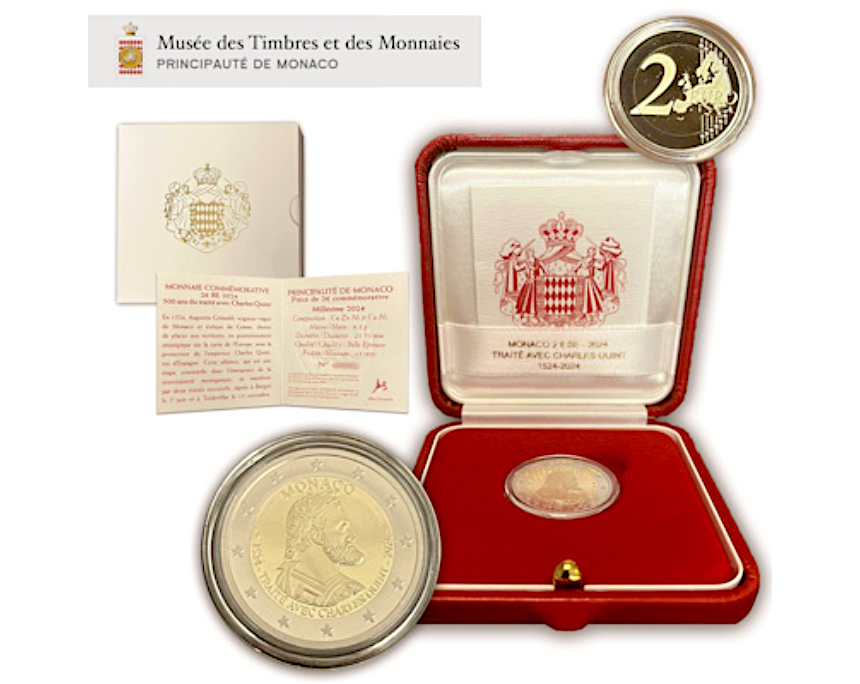
A Coveted 2-Euro Coin: Monaco Introduces Penalty Fee for Multiple Orders
The Principality’s commemorative coins are among the most expensive and sought-after collectibles in the eurozone – but they have also attracted speculators for years. The sales office is now taking drastic measures.
Archive: Coins, Medals and more
 https://new.coinsweekly.com/wp-content/uploads/2024/12/2024KW49HA_00.jpg
684
860
Lucie Loechel
https://new.coinsweekly.com/wp-content/uploads/2023/01/logo-coinsweekly_590x204.png
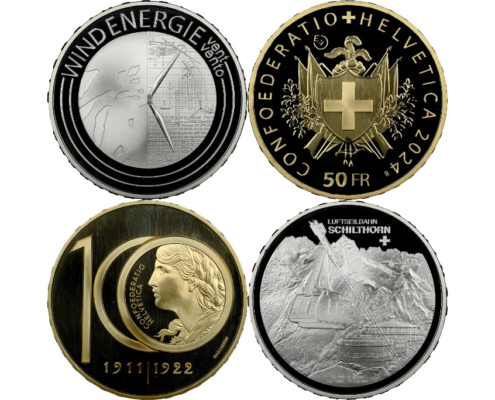
Lucie Loechel2024-12-05 06:00:382024-12-05 13:32:34Swissmint Patterns at Numismatica Genevensis SA
https://new.coinsweekly.com/wp-content/uploads/2024/12/2024KW49HA_00.jpg
684
860
Lucie Loechel
https://new.coinsweekly.com/wp-content/uploads/2023/01/logo-coinsweekly_590x204.png
Lucie Loechel2024-12-05 06:00:382024-12-05 13:32:34Swissmint Patterns at Numismatica Genevensis SA https://new.coinsweekly.com/wp-content/uploads/2025/01/2025KW02HA_00.jpg
684
860
Lucie Loechel
https://new.coinsweekly.com/wp-content/uploads/2023/01/logo-coinsweekly_590x204.png
Lucie Loechel2025-01-09 10:35:332025-01-09 14:45:59Joachimsthal and the Reformation
https://new.coinsweekly.com/wp-content/uploads/2025/01/2025KW02HA_00.jpg
684
860
Lucie Loechel
https://new.coinsweekly.com/wp-content/uploads/2023/01/logo-coinsweekly_590x204.png
Lucie Loechel2025-01-09 10:35:332025-01-09 14:45:59Joachimsthal and the Reformation
The IAPN Book Prize 2023
Every year, the International Association of Professional Numismatists rewards a numismatic work published the previous year with their IAPN Book Prize. The winner of 2023 comes from India.
End of “Cash Only”? Germany Plans Right to Digital Payment
Cash will remain important in Germany – but digital payment options are set to become mandatory. Germany’s federal government is working on new regulations. Are they truly intended to offer consumers more convenience – or are they also about gaining more control over payment flows?