











Archive: People and Markets
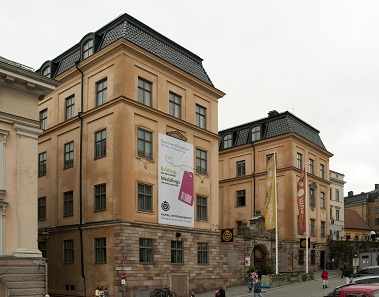
The Royal Coin Cabinet in Stockholm is going to be closed and stripped down
The Swedish national museum of economy is going to be closed down. This entails the relocation of the Royal Coin Cabinet and its notable library. At this point, no one knows where, when or how the coins and books will be available again. Harald Nilsson reports.
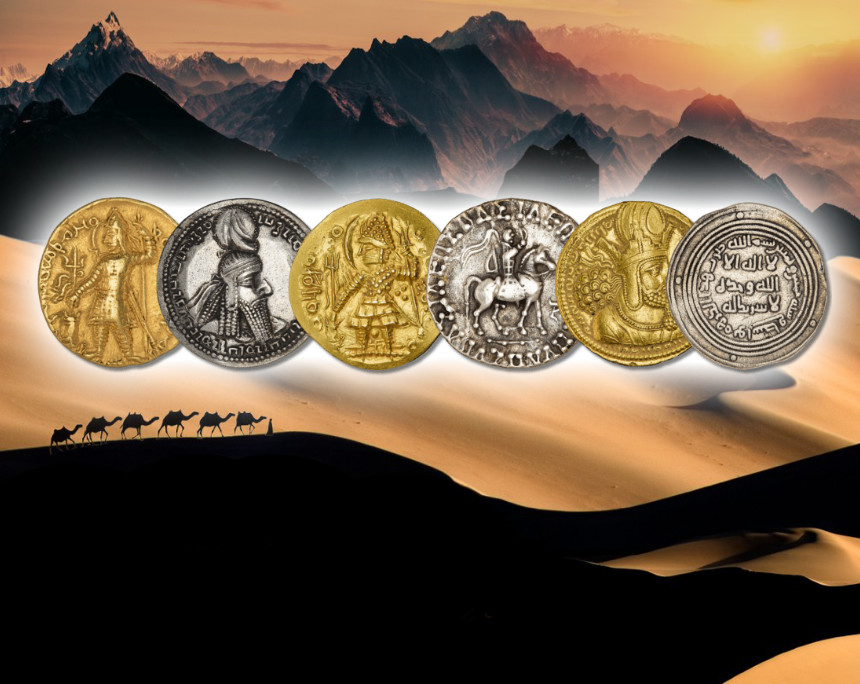
Silk, Silver, and Spice: Money Museum’s New Exhibit Explores Treasures of Trade
Today, the Edward C. Rochette Money Museum in Colorado Springs opens its newest exhibition. “The Silk Road(s): A Numismatic Travelogue” will take observers on a journey of commerce, culture, and connections made possible through coinage.
Archive: Coins, Medals and more
 https://new.coinsweekly.com/wp-content/uploads/2024/07/2024KW28HA_00.jpg
684
860
Ursula Kampmann
https://new.coinsweekly.com/wp-content/uploads/2023/01/logo-coinsweekly_590x204.png
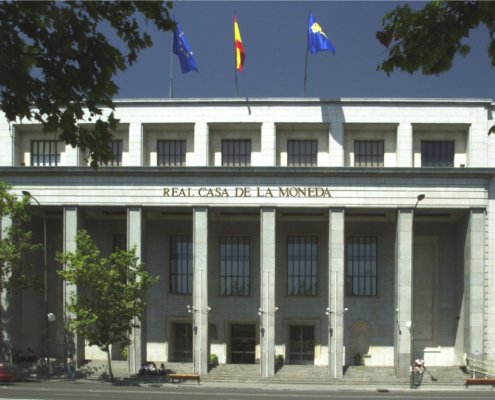
Ursula Kampmann2024-07-11 11:04:462024-07-11 11:19:29The Casa de la Moneda Museum in Madrid
https://new.coinsweekly.com/wp-content/uploads/2024/07/2024KW28HA_00.jpg
684
860
Ursula Kampmann
https://new.coinsweekly.com/wp-content/uploads/2023/01/logo-coinsweekly_590x204.png
Ursula Kampmann2024-07-11 11:04:462024-07-11 11:19:29The Casa de la Moneda Museum in Madrid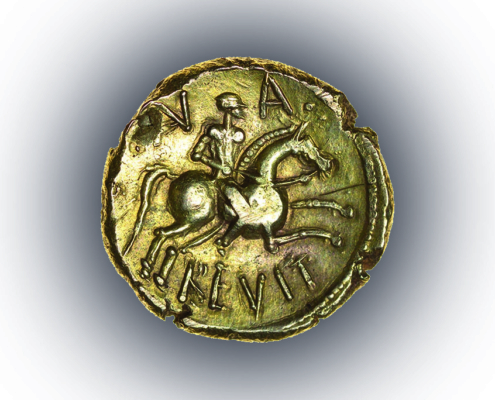 https://new.coinsweekly.com/wp-content/uploads/2024/11/2024KW45HA2_00.jpg
684
860
Bruno
https://new.coinsweekly.com/wp-content/uploads/2023/01/logo-coinsweekly_590x204.png
Bruno2024-11-07 07:54:412024-11-07 13:16:47Was Anarevito a Slave Trader?
https://new.coinsweekly.com/wp-content/uploads/2024/11/2024KW45HA2_00.jpg
684
860
Bruno
https://new.coinsweekly.com/wp-content/uploads/2023/01/logo-coinsweekly_590x204.png
Bruno2024-11-07 07:54:412024-11-07 13:16:47Was Anarevito a Slave Trader?
COTY Awards Have an In-Person Ceremony Again
For many years the Coin of the Year Awards have been given in a ceremony during the World Money Fair in Berlin. In 2023, the program will conduct again an in-person awards ceremony after a three-year hiatus due to the pandemic – but in another place.
Possible Motifs Selected for Future Euro Banknotes
The Governing Council of the European Central Bank (ECB) has agreed on potential motifs for future Euro banknotes.