






Archive: People and Markets

Caribbean Guilder: Joint Currency Introduced for Curaçao and Sint Maarten
The new currency replaces the Antillean Guilder, retains its value, and is pegged to the US dollar – with fresh designs inspired by the sea and local culture.
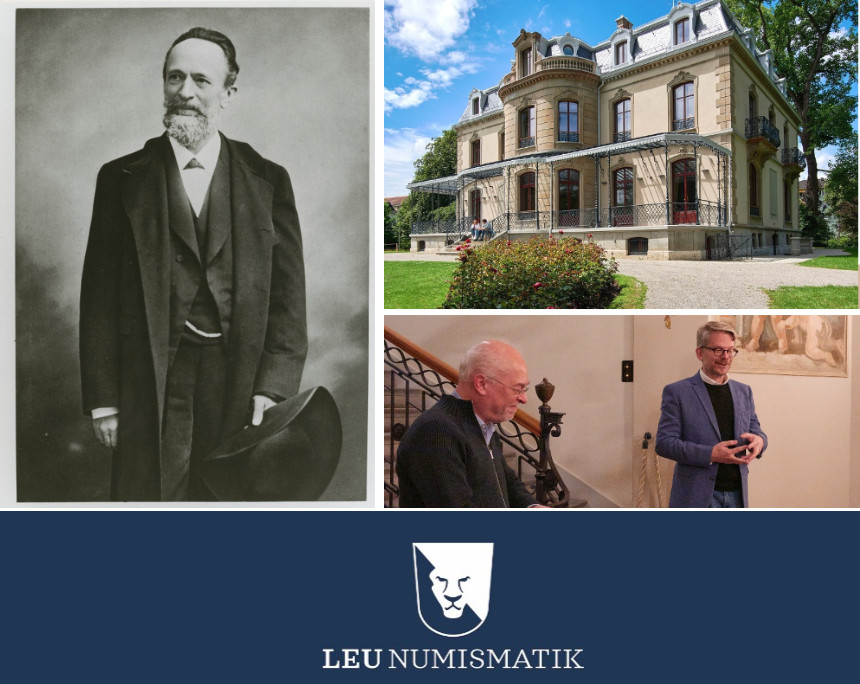
Leu Numismatik Sponsors the New Friedrich Imhoof-Blumer Fellowship in Winterthur
Leu Numismatik is supporting the new Friedrich Imhoof-Blumer Fellowship at the Coin Cabinet in Winterthur, which will be awarded for the first time in 2025. The fellowship, endowed with CHF 3,000, is aimed at early-career researchers working on a numismatic project. Application deadline: June 30, 2025.
Archive: Coins, Medals and more
 https://new.coinsweekly.com/wp-content/uploads/2023/10/2023KW43HA_00.jpg
684
860
Ursula Kampmann
https://new.coinsweekly.com/wp-content/uploads/2023/01/logo-coinsweekly_590x204.png
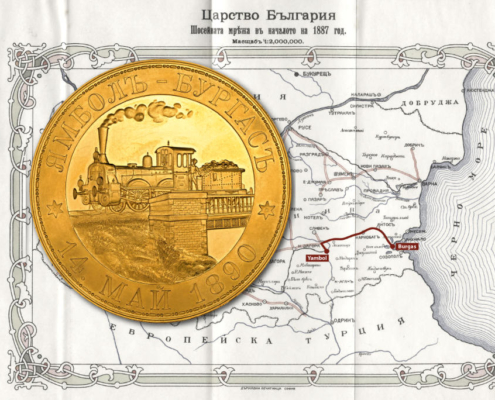
Ursula Kampmann2023-10-26 09:05:112023-10-26 11:52:11Bulgaria, Prince Ferdinand I and the Railroad
https://new.coinsweekly.com/wp-content/uploads/2023/10/2023KW43HA_00.jpg
684
860
Ursula Kampmann
https://new.coinsweekly.com/wp-content/uploads/2023/01/logo-coinsweekly_590x204.png
Ursula Kampmann2023-10-26 09:05:112023-10-26 11:52:11Bulgaria, Prince Ferdinand I and the Railroad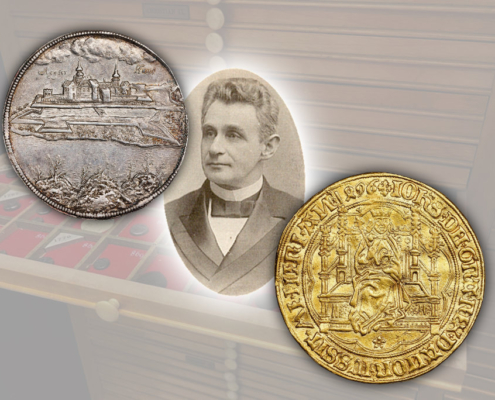 https://new.coinsweekly.com/wp-content/uploads/2024/07/2024KW27HA_00.jpg
684
860
Ursula Kampmann
https://new.coinsweekly.com/wp-content/uploads/2023/01/logo-coinsweekly_590x204.png
Ursula Kampmann2024-07-04 10:28:022024-07-04 15:03:20Highlights from the Bruun Collection
https://new.coinsweekly.com/wp-content/uploads/2024/07/2024KW27HA_00.jpg
684
860
Ursula Kampmann
https://new.coinsweekly.com/wp-content/uploads/2023/01/logo-coinsweekly_590x204.png
Ursula Kampmann2024-07-04 10:28:022024-07-04 15:03:20Highlights from the Bruun Collection
Sir Frederick Henniker: Notes during a visit to Egypt…
200 years ago, Sir Frederick Henniker embarked on his Grand Tour to the Middle East. His travelogue gives a vivid insight into the beginnings of cultural tourism and the antiquities trade. A specimen is currently being offered by Münzen & Medaillen GmbH.
Stack’s Bowers Galleries 2024 Professional Numismatist Program
If you have ever considered making your hobby your profession, the Stack’s Bowers Professional Numismatist Program offers an opportunity to acquire the skills necessary to be successful in this field.