











Archive: People and Markets
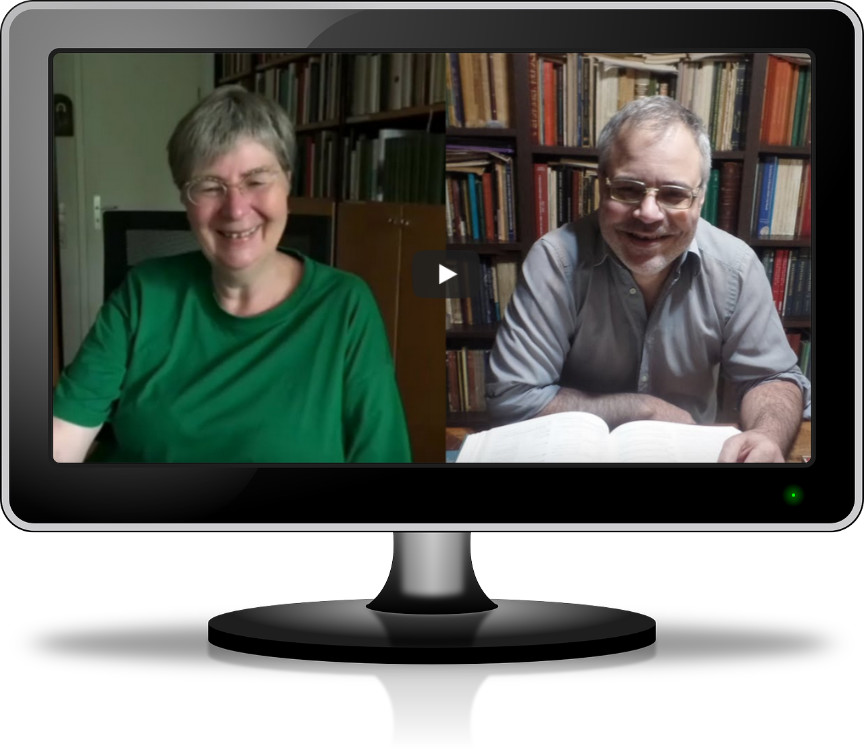
The Fight for Collector’s Rights: An Interview With Ursula Kampmann
For his passionately run “Numischannel” on YouTube, Argentine numismatist Damian Salgado conducted an interview with Ursula Kampmann. Among other things, they talked about private collecting, the rights of collectors and the fight against unfair legislation worldwide. Take a look!
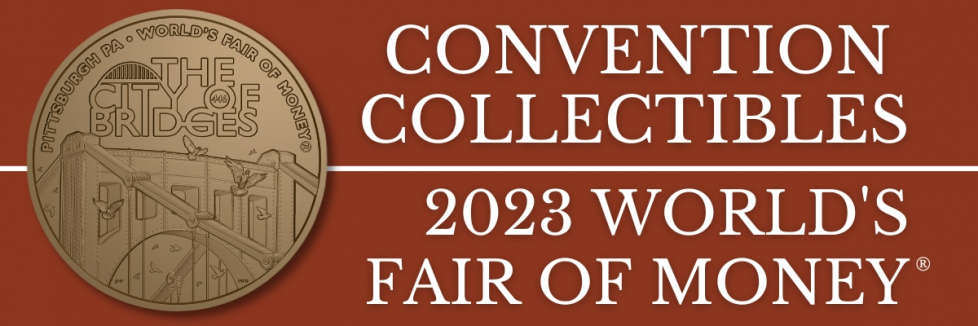
World’s Fair of Money Convention Medal 2023
The 2023 World’s Fair of Money will have a special Convention Medal. Medallic artist Jamie Franki has designed a medal featuring what makes the conventions’s location Pittsburgh unique in the world.
Archive: Coins, Medals and more
 https://new.coinsweekly.com/wp-content/uploads/2025/02/2025KW07HA01_00.jpg
684
860
Lucie Loechel
https://new.coinsweekly.com/wp-content/uploads/2023/01/logo-coinsweekly_590x204.png
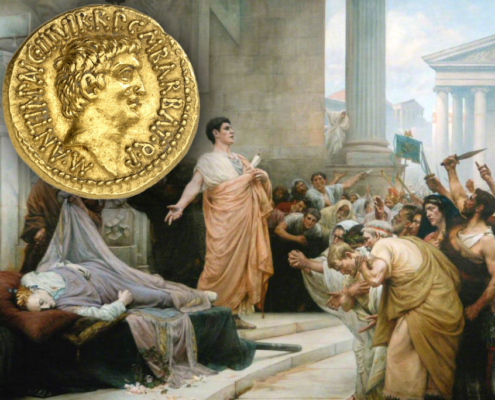
Lucie Loechel2025-02-13 09:44:362025-02-13 10:00:07Marcus Antonius: The Loser Who Did Not Write History
https://new.coinsweekly.com/wp-content/uploads/2025/02/2025KW07HA01_00.jpg
684
860
Lucie Loechel
https://new.coinsweekly.com/wp-content/uploads/2023/01/logo-coinsweekly_590x204.png
Lucie Loechel2025-02-13 09:44:362025-02-13 10:00:07Marcus Antonius: The Loser Who Did Not Write History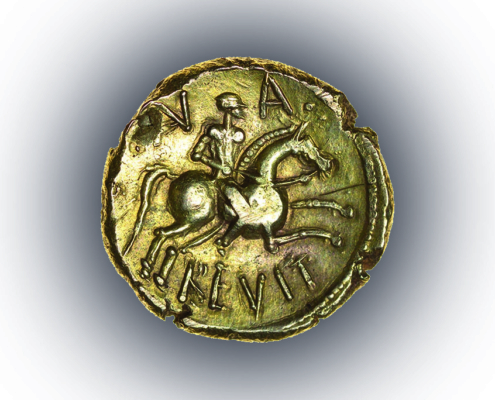 https://new.coinsweekly.com/wp-content/uploads/2024/11/2024KW45HA2_00.jpg
684
860
Bruno
https://new.coinsweekly.com/wp-content/uploads/2023/01/logo-coinsweekly_590x204.png
Bruno2024-11-07 07:54:412024-11-07 13:16:47Was Anarevito a Slave Trader?
https://new.coinsweekly.com/wp-content/uploads/2024/11/2024KW45HA2_00.jpg
684
860
Bruno
https://new.coinsweekly.com/wp-content/uploads/2023/01/logo-coinsweekly_590x204.png
Bruno2024-11-07 07:54:412024-11-07 13:16:47Was Anarevito a Slave Trader?
Gold Bar from Famous Shipwreck Comes Under the Hammer
In 1622, the Nuestra Señora de Atocha sank off the coast of Key West along with all the treasures on board. Sedwick is now auctioning off one of the largest gold bars ever recovered.
Meeting of the Oriental Numismatic Society 2024 in Tübingen
The annual international conference on Islamic numismatics will take place in Tübingen from May 4 to 5, 2024. The program tempts you to spend the first weekend in May in beautiful Tübingen!