







Archive: People and Markets

German Museums Continue to be Hit by Wave of Burglaries
With no end in sight, German museums are still regularly targeted by burglars. Often, the general public is unaware of the break-ins as the cases only make headlines in local newspapers. What can museums do to deal with these crimes? We present two cases from autumn 2023.

PMG Now Grading Banknotes Year-round in Munich
The introduction of full-time PMG grading services in Munich, initially available for the Bulk and Modern tiers, marks a new expansion of the company’s services for the paper money collecting community in Europe.
Archive: Coins, Medals and more
 https://new.coinsweekly.com/wp-content/uploads/2024/11/2024KW47HA1_00.jpg
684
860
Lucie Loechel
https://new.coinsweekly.com/wp-content/uploads/2023/01/logo-coinsweekly_590x204.png
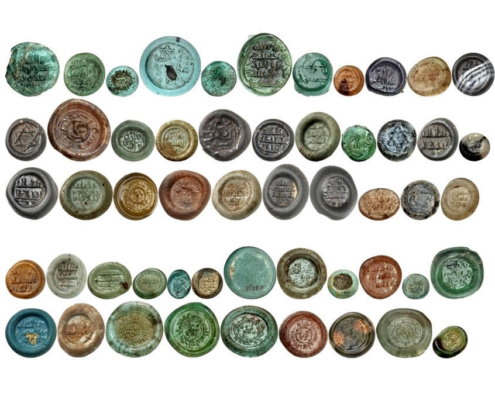
Lucie Loechel2024-11-21 10:15:332024-11-21 10:15:50Important Collection of Islamic Glass Weights at Numismatica Genevensis SA
https://new.coinsweekly.com/wp-content/uploads/2024/11/2024KW47HA1_00.jpg
684
860
Lucie Loechel
https://new.coinsweekly.com/wp-content/uploads/2023/01/logo-coinsweekly_590x204.png
Lucie Loechel2024-11-21 10:15:332024-11-21 10:15:50Important Collection of Islamic Glass Weights at Numismatica Genevensis SA https://new.coinsweekly.com/wp-content/uploads/2023/06/00-7.jpg
496
500
Bruno
https://new.coinsweekly.com/wp-content/uploads/2023/01/logo-coinsweekly_590x204.png
Bruno2022-06-13 12:00:272023-07-03 14:53:25State-of-the-Art Minting Technology
https://new.coinsweekly.com/wp-content/uploads/2023/06/00-7.jpg
496
500
Bruno
https://new.coinsweekly.com/wp-content/uploads/2023/01/logo-coinsweekly_590x204.png
Bruno2022-06-13 12:00:272023-07-03 14:53:25State-of-the-Art Minting Technology
In Love With Japan
This year, Andrea Pancheri attended the Tokyo International Coin Convention for the first time on our behalf – and was absolutely thrilled by both the country and the event! Find out why here.
Trump’s Influence? United States Mint Removes Commemorative Medal from Store
The United States Mint has removed a commemorative medal honouring the police officers who defended the Capitol during the attack on 6 January 2021 from its website, sparking criticism.