






Archive: People and Markets
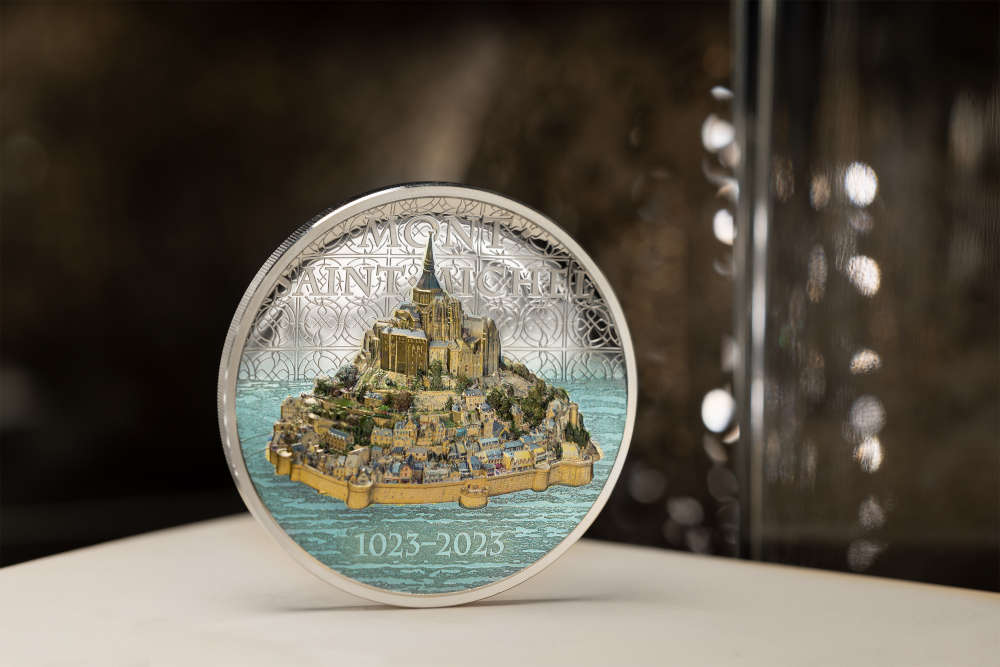
CIT’s Mont-Saint-Michel
CIT has converted the UNESCO World Heritage Site “Mont-Saint-Michel” into numismatic masterpieces: Four coins in three metals pay tribute to the impressive island with a three-dimensional relief on a deeply concave background.
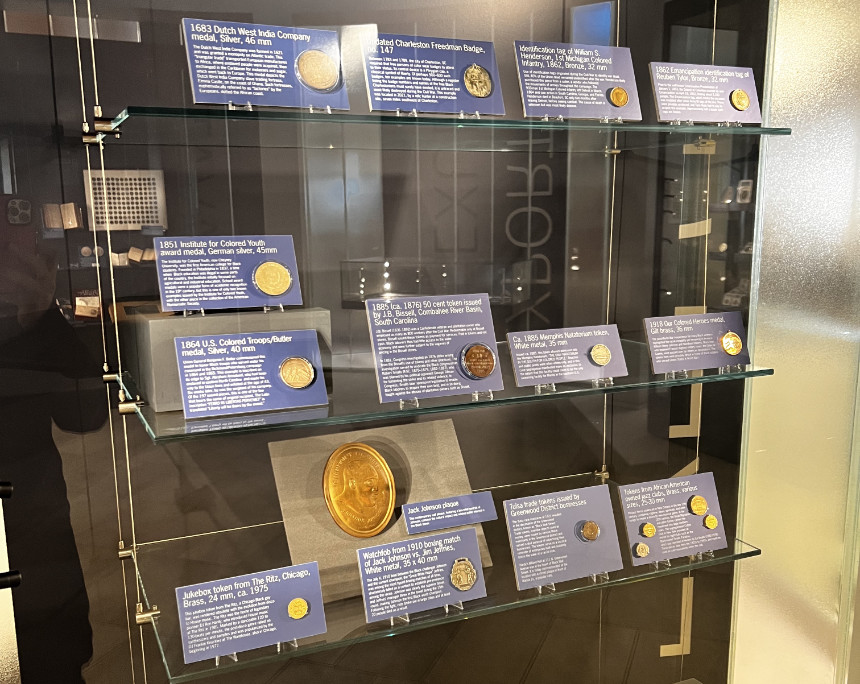
Washington University Presents Seven Numismatic Exhibits
Washington University’s Olin Library announces seven numismatic exhibits that are now open to the public and will run through July 7, 2024. The library features such exhibits on a rotating basis, with recent installations covering the history of play money, World War II internment camp issues, and other subjects. In addition to exhibits, the library’s numismatic mission includes the administration of the Newman Numismatic Portal.
Archive: Coins, Medals and more
 https://new.coinsweekly.com/wp-content/uploads/2023/06/00_DSC04222.png
506
500
Bruno
https://new.coinsweekly.com/wp-content/uploads/2023/01/logo-coinsweekly_590x204.png
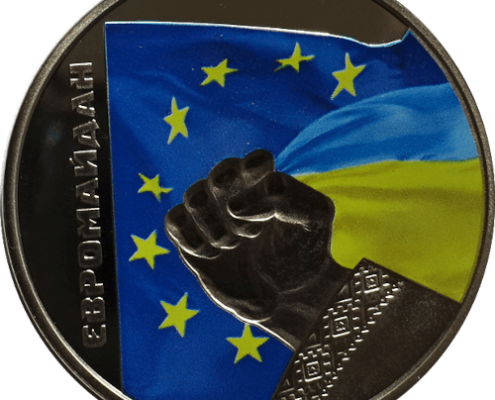
Bruno2022-06-13 12:00:452023-07-03 12:18:15The National Identity of Modern Ukraine on its Commemorative Coins
https://new.coinsweekly.com/wp-content/uploads/2023/06/00_DSC04222.png
506
500
Bruno
https://new.coinsweekly.com/wp-content/uploads/2023/01/logo-coinsweekly_590x204.png
Bruno2022-06-13 12:00:452023-07-03 12:18:15The National Identity of Modern Ukraine on its Commemorative Coins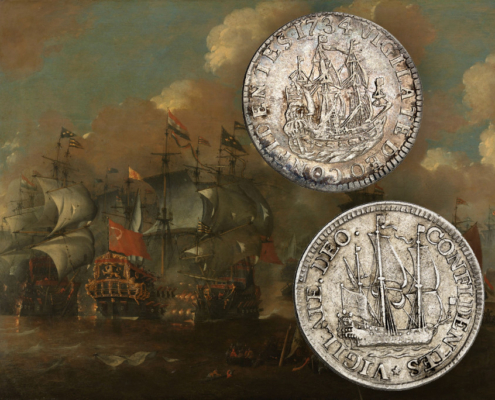 https://new.coinsweekly.com/wp-content/uploads/2024/09/2024KW38HA_00.jpg
684
860
Ursula Kampmann
https://new.coinsweekly.com/wp-content/uploads/2023/01/logo-coinsweekly_590x204.png
Ursula Kampmann2024-09-19 10:16:302024-09-19 11:07:49Bloody Flag and Scheepjesschelling
https://new.coinsweekly.com/wp-content/uploads/2024/09/2024KW38HA_00.jpg
684
860
Ursula Kampmann
https://new.coinsweekly.com/wp-content/uploads/2023/01/logo-coinsweekly_590x204.png
Ursula Kampmann2024-09-19 10:16:302024-09-19 11:07:49Bloody Flag and Scheepjesschelling
Bernt Ahlström (1936-2019)
You will hardly find a dealer in the numismatic world who is completely unfamiliar with the name Bernt Ahlstrom. On the occasion of the sale of his numismatic library at Gut-Lynt, Arne Kirsch recounts the eventful life of the coin dealer and bon vivant.
A New Chapter: The Foundation of a New Auction House for Numismatic Literature
A new auction house enriches the numismatic landscape: the numismatic antiquarian bookshop Numismatisches Antiquariat Lang is an auction house specializing in numismatic literature.