








Archive: People and Markets
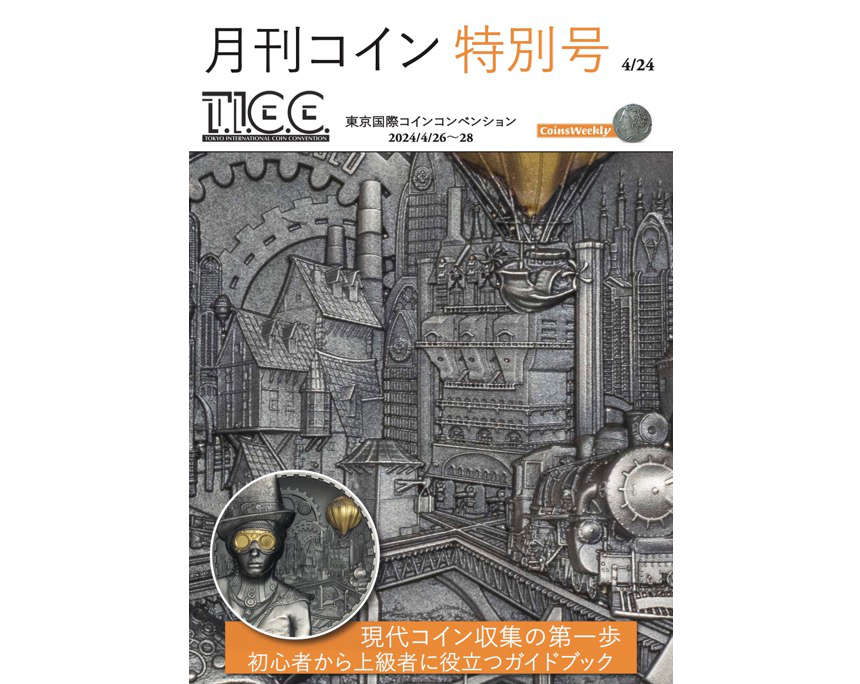
CoinsWeekly Special Issue for the TICC Tokyo 2024
After overwhelming interest last year, we have once again published a printed CoinsWeekly Special Issue for TICC 2024, which takes place in Tokyo from April 26 to 28. If you can’t make it to Tokyo, you can download the PDF here.
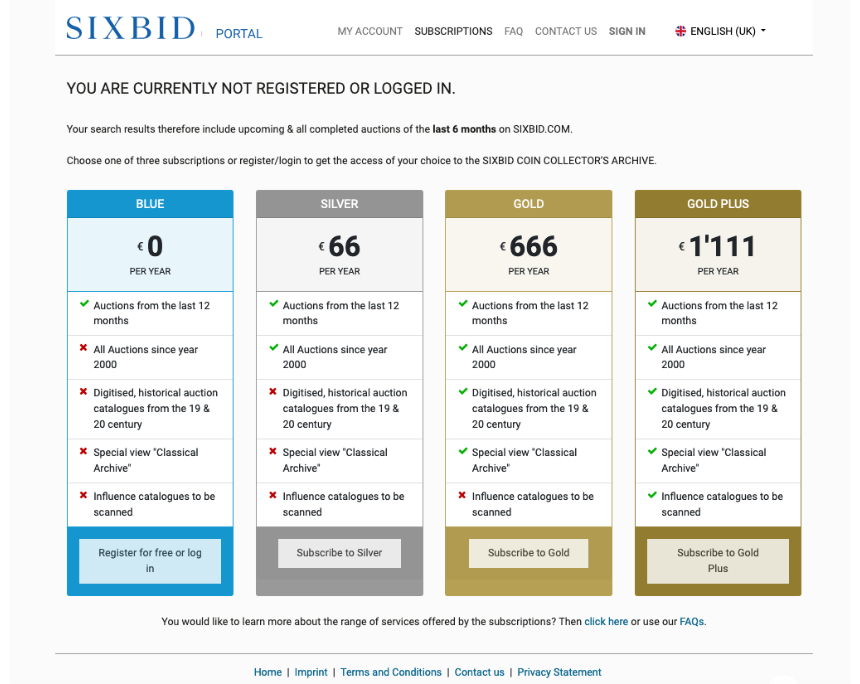
The Sixbid Archive – What It Is and Why You Need It
Sixbid has launched a new service: the Sixbid Archive. What makes this archive different from all the other auction databases out there? Is it really one of the most important numismatic projects of this century? Is it worth the €66 price tag? And for whom might it be worthwhile to purchase the €666 gold subscription?
Archive: Coins, Medals and more
 https://new.coinsweekly.com/wp-content/uploads/2023/06/00_CH-1883-20Fr.jpg
502
1000
Bruno
https://new.coinsweekly.com/wp-content/uploads/2023/01/logo-coinsweekly_590x204.png
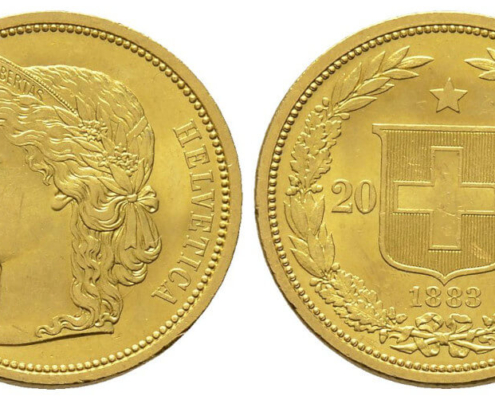
Bruno2022-06-13 14:16:552023-06-29 11:02:58The Vreneli – A Swiss Icon
https://new.coinsweekly.com/wp-content/uploads/2023/06/00_CH-1883-20Fr.jpg
502
1000
Bruno
https://new.coinsweekly.com/wp-content/uploads/2023/01/logo-coinsweekly_590x204.png
Bruno2022-06-13 14:16:552023-06-29 11:02:58The Vreneli – A Swiss Icon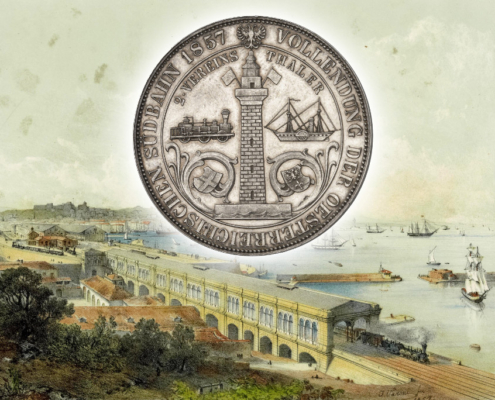 https://new.coinsweekly.com/wp-content/uploads/2024/05/2024KW22HA_00.jpg
684
860
Ursula Kampmann
https://new.coinsweekly.com/wp-content/uploads/2023/01/logo-coinsweekly_590x204.png
Ursula Kampmann2024-05-29 09:00:582024-05-29 15:18:10A Commemorative Coin Celebrating the Completion of Austria’s Southern Railway
https://new.coinsweekly.com/wp-content/uploads/2024/05/2024KW22HA_00.jpg
684
860
Ursula Kampmann
https://new.coinsweekly.com/wp-content/uploads/2023/01/logo-coinsweekly_590x204.png
Ursula Kampmann2024-05-29 09:00:582024-05-29 15:18:10A Commemorative Coin Celebrating the Completion of Austria’s Southern Railway
The Silver Coinage of the Gupta Empire and Associated States in Western India: Analysis, Classification and Illustrated Catalogue
Authors Ian J. Todd and A.M. Fishman have published a new book on the silver coinage of the Gupta Empire and associated states in western India. Read their announcement here.
French Error Coin: The Monnaie de Paris Coin Mishap
The French mint Monnaie de Paris had planned to introduce a new design for coins of 10, 20 and 50 cents in 2024, but a mishap with serious consequences occurred – and while the extent of the financial loss that ensued is still unknown, it is clear that it caused great damage to the mint´s image.