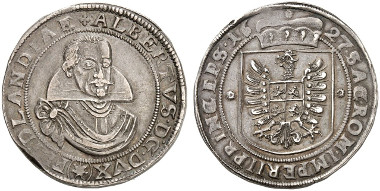
Human faces, part 42: The Duke of Friedland
Why was the human head the motif on coins for centuries, no, for millennia? And why did that change in the last 200 years? In this episode we talk about Albrecht von Wallenstein and his business model.







Why was the human head the motif on coins for centuries, no, for millennia? And why did that change in the last 200 years? In this episode we talk about Albrecht von Wallenstein and his business model.
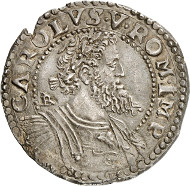
For centuries, no, for millennia, human faces were the most popular choice for the decoration of a coin obverse. That the coin’s reverse can be just as fascinating will be shown in this episode of our series.
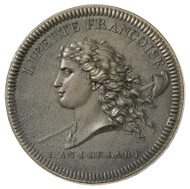
Why was the human head the motif on coins for centuries, no, for millennia? And why did that change in the last 200 years? Today we will talk about the aftermath of the French Revolution and the beginning of a reign of terror …

It takes much effort and planning until a collector can purchase his commemorative coin that will serve as a memento of an event which – like the opening of the Gotthard Base Tunnel – will become part of the national myth.
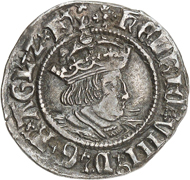
That Henry VIII had an entire collection of wives in his lifetime is not news. But can you remember all of them? In this episode of “Human faces”, we will tell the story of his second wife, Anne Boleyn.
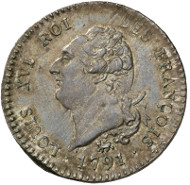
Why was the human head the motif on coins for centuries, no, for millennia? And why did that change in the last 200 years? In this episode, Louis XVI tries to escape his death in vain.

Possessing colonies with vast resources of silver, Spanish king Philip II could have helped his kingdom to enormous economic prosperity. But even the largest treasure of silver could not realise Philip’s power-hungry fantasy of proselytizing half of Europe.
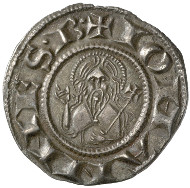
Why was the human head the motif on coins for centuries, no, for millennia? And why did that change in the last 200 years? John the Baptist paid for his convictions with his head. The Florentines honour his courage on their coinage.
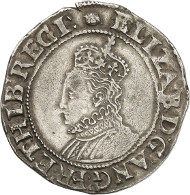
“The Virgin Queen” is certainly the most well-known epithet of Elizabeth I. We thought, however, that “Queen of the Pirates” would be equally befitting as English privateers belong to Elizabeth’s story just as much as her virginity.
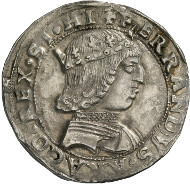
Why was the human head the motif on coins for centuries, no, for millennia? And why did that change in the last 200 years? Find out why the Houses of Anjou and Aragón fought for Sicily and how Ferdinand of Aragón cleverly used coins for propagandistic purposes in this episode.

You need to load content from reCAPTCHA to submit the form. Please note that doing so will share data with third-party providers.
More InformationYou are currently viewing a placeholder content from Facebook. To access the actual content, click the button below. Please note that doing so will share data with third-party providers.
More InformationYou are currently viewing a placeholder content from Instagram. To access the actual content, click the button below. Please note that doing so will share data with third-party providers.
More InformationYou are currently viewing a placeholder content from X. To access the actual content, click the button below. Please note that doing so will share data with third-party providers.
More Information