







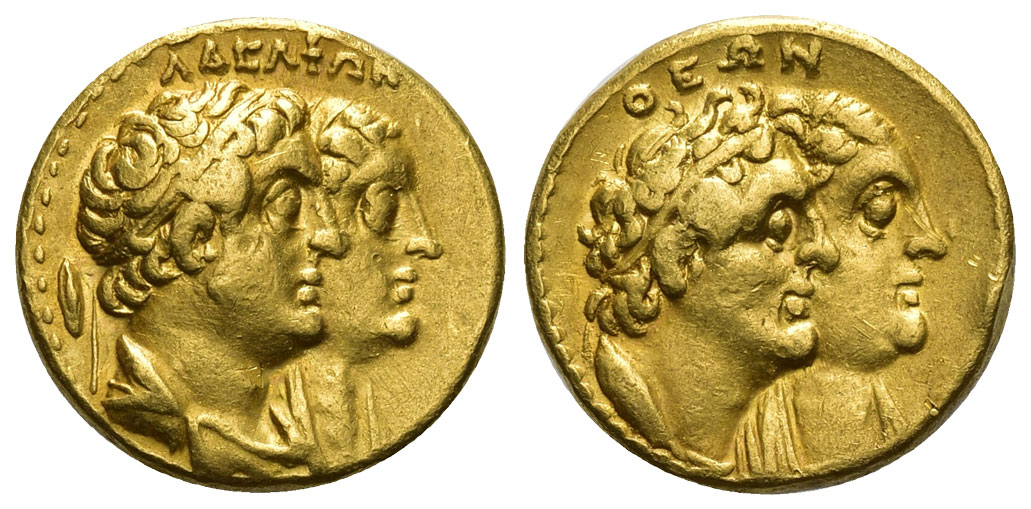
AV Tetradrachm (282–272 BC),
King Ptolemy II and Queen Arsinoe II.
From the major collection of Alexandria mint.
Condition: vf+
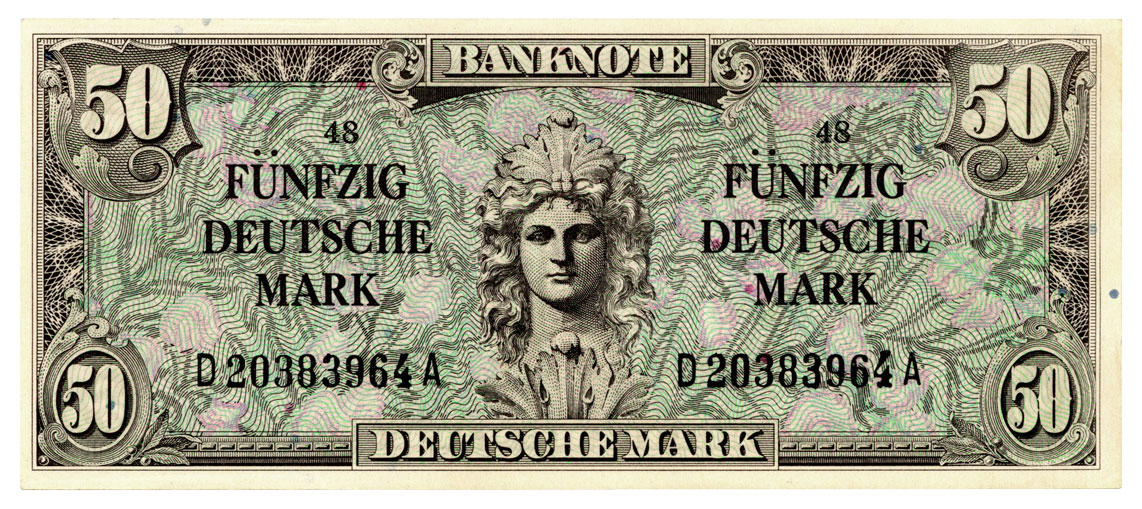
50 Deutsche Mark o.D. ( 1948-1949) "Liberty".
Condition: extremly rare, I
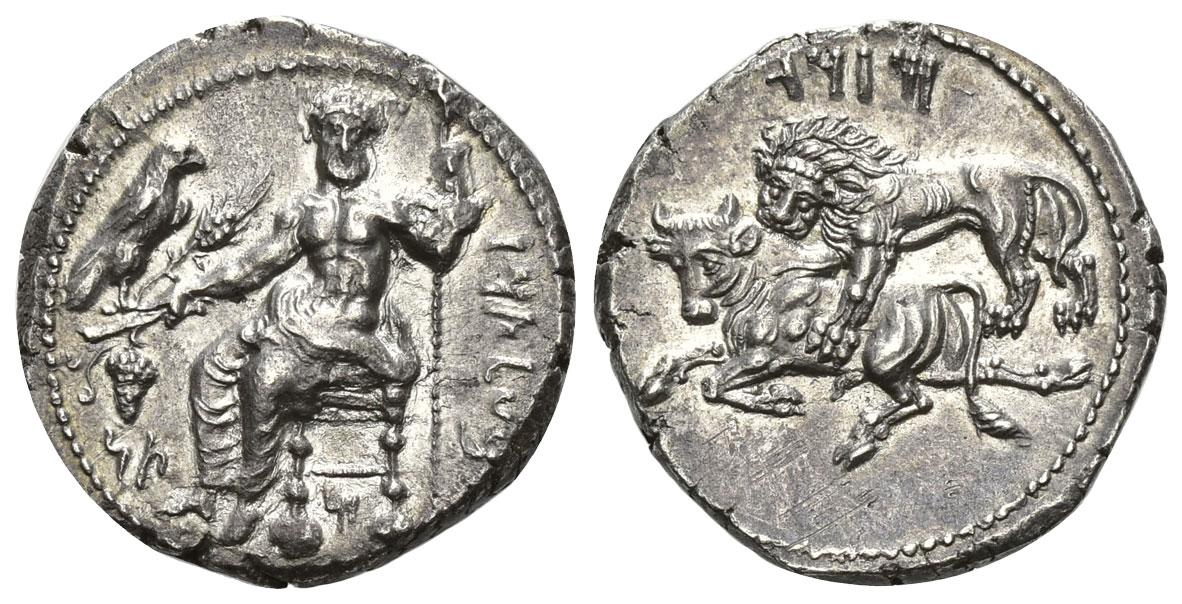
AR Stater (361-334 BC).
Obv. Baal of Tarsos.
Conditon: ef
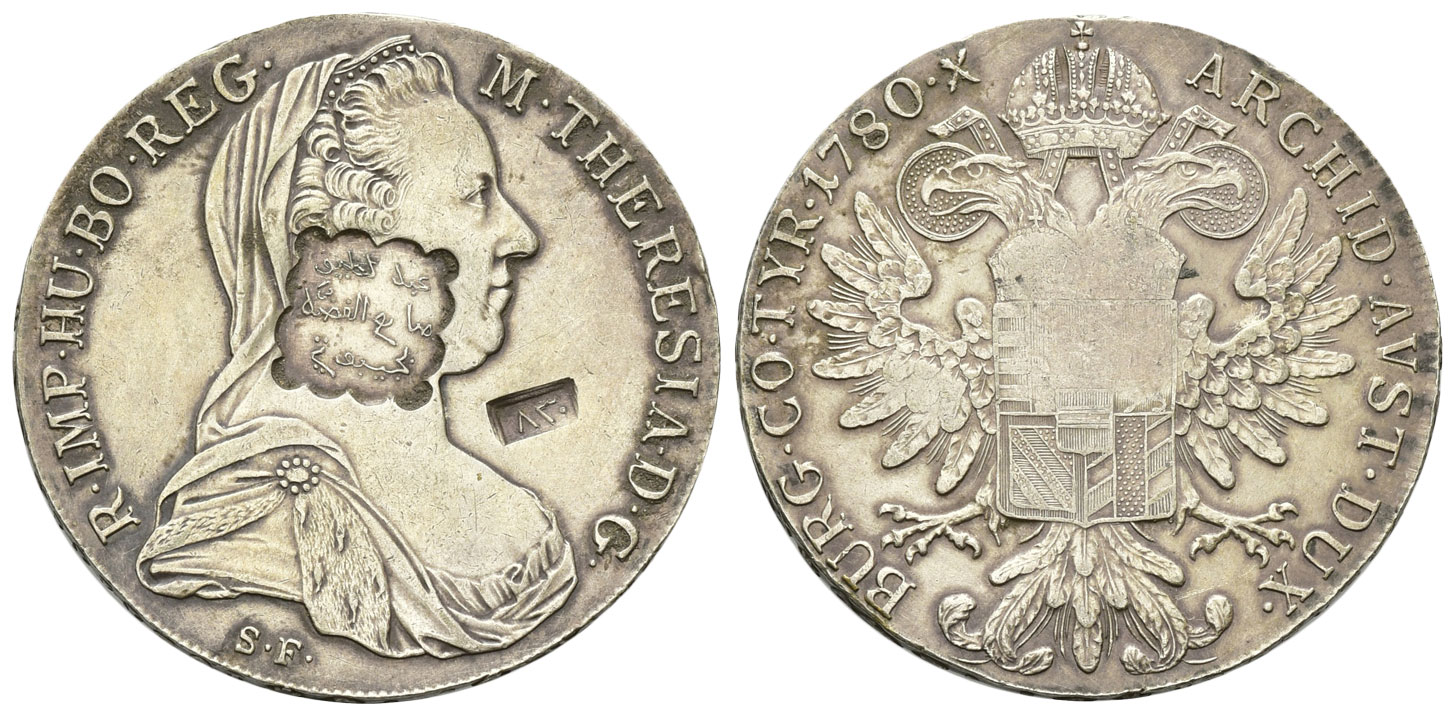
Taler 1780 SF
with counter stamp Djibouti (1870-1900).
Condition: vf
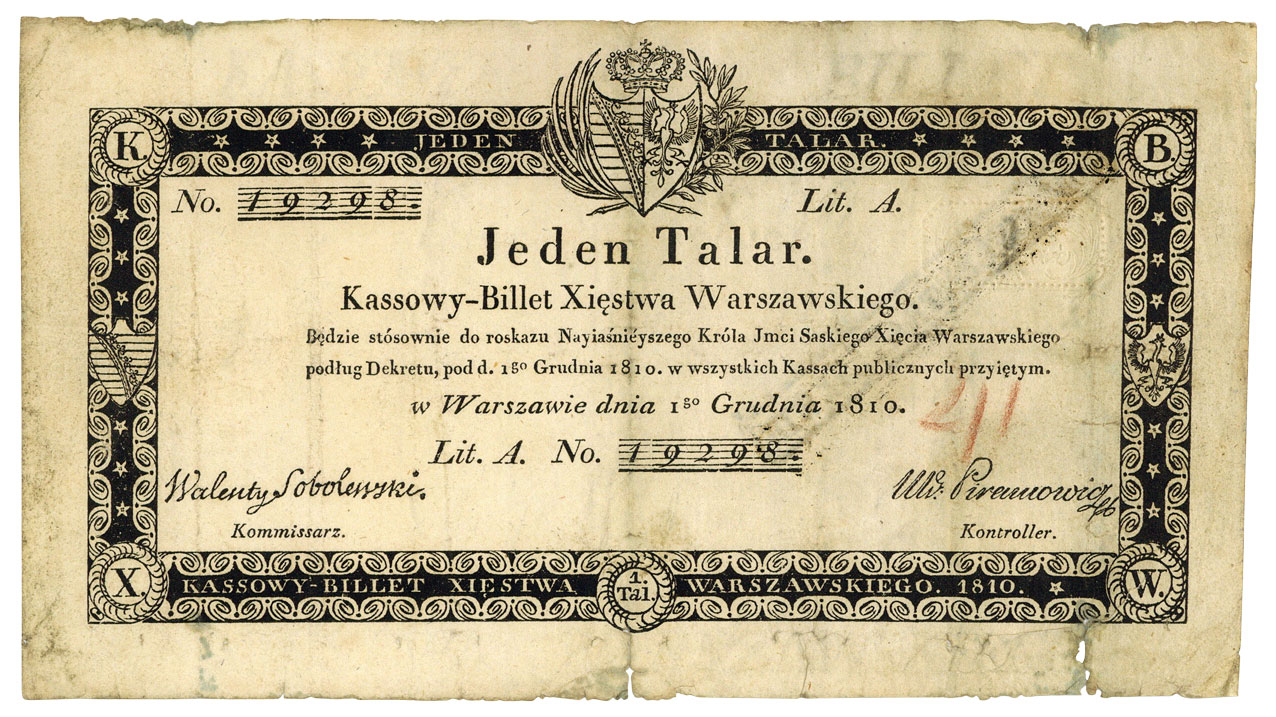
1 Talar 1. December 1810.
Condition: III-IV
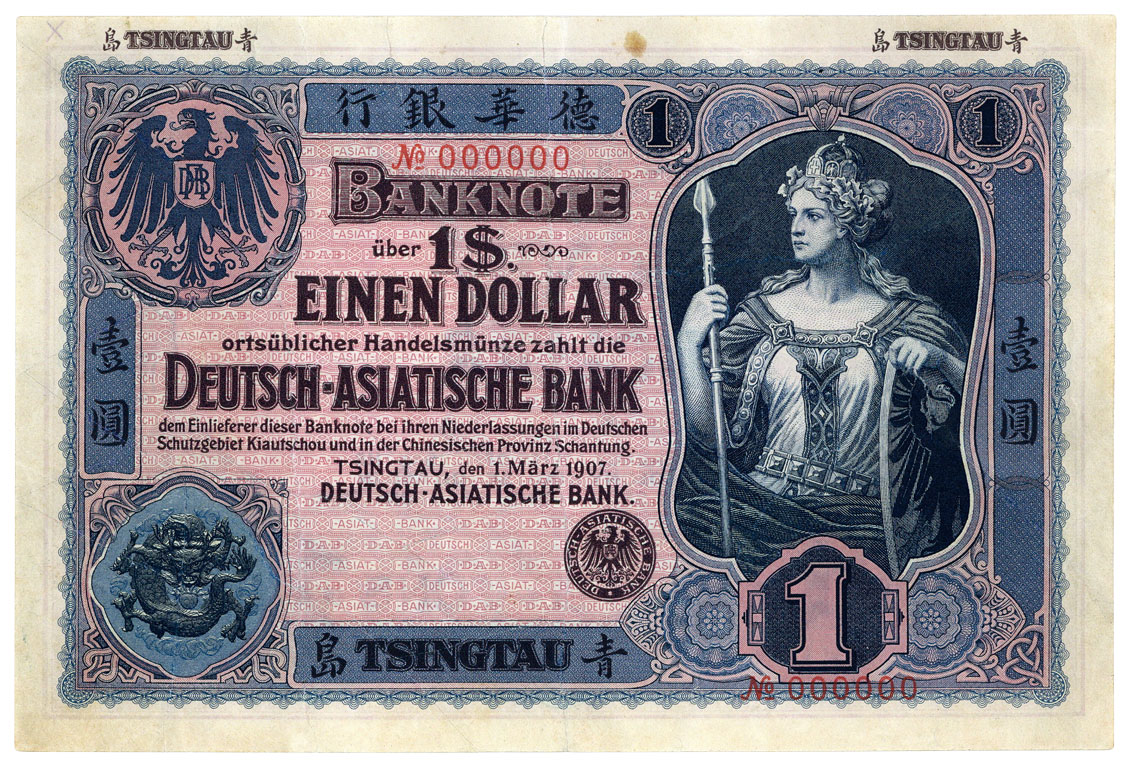
1 Dollar 1.3.1907, Tsingtao.
Condition: very rare, restored
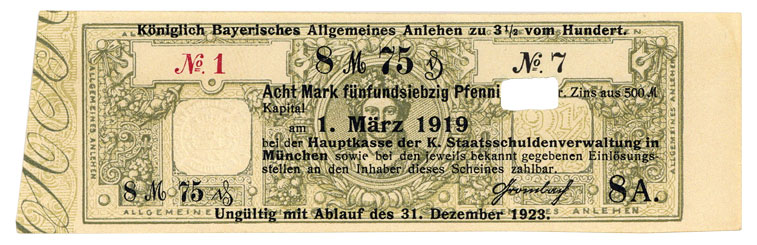
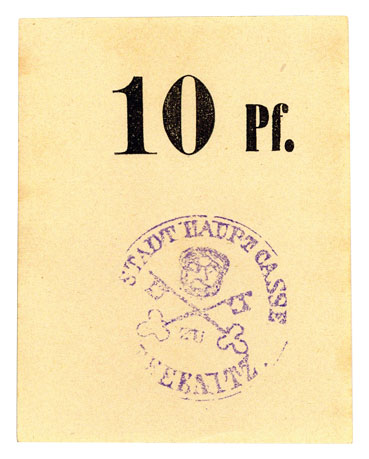
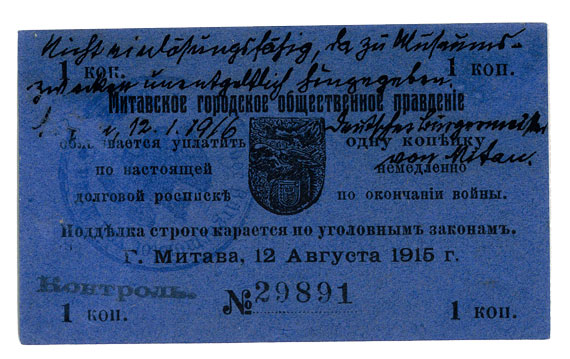
Royal Bavarian General Loan.
8.75 Marks, March 1, 1919.
Condition: rare, I
Archive: People and Markets

British Museum Sets Out Plans to Digitize Fully the Collection
After the disappearance of thousands of objects, the British Museum aims to document all of their over 2 million objects within the next five years and make them available online. Mark Jones on why he wants to increase access to the objects now.
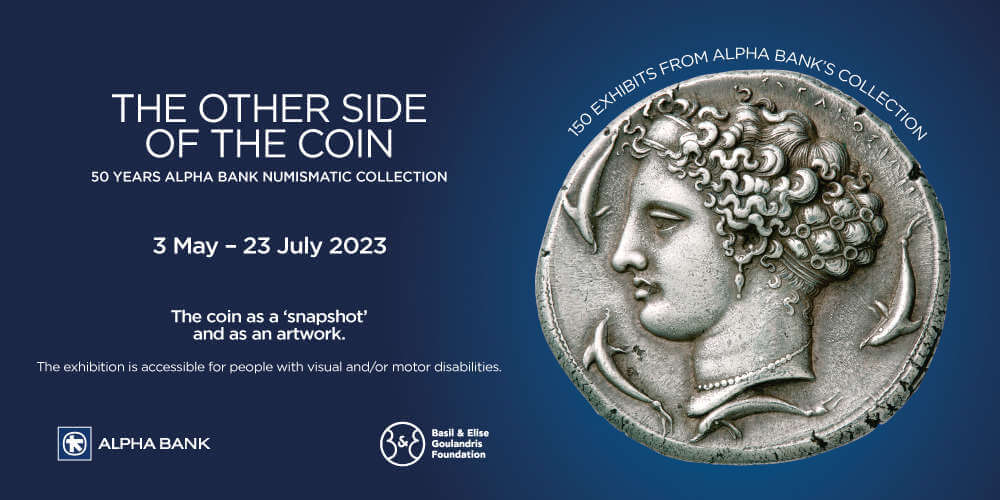
50 Years of Alpha Bank Numismatic Collection: “The Other Side of the Coin”
50 years ago the Alpha Bank Numismatic Collection was created. Now, an anniversary exhibition in Athens presents 150 coins from the collection illustrating “The Other Side of the Coin”: coins as means of communication and objects of art.
Archive: Coins, Medals and more
 https://new.coinsweekly.com/wp-content/uploads/2024/10/2024KW40HA2_00.jpg
684
860
Bruno
https://new.coinsweekly.com/wp-content/uploads/2023/01/logo-coinsweekly_590x204.png
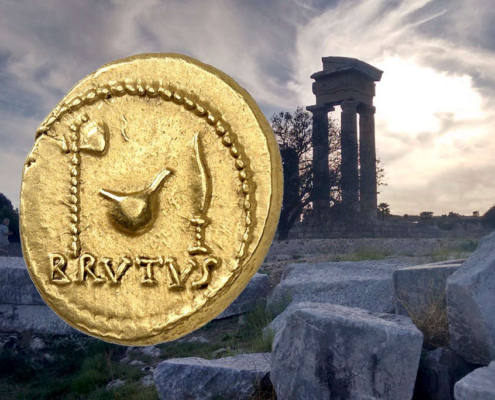
Bruno2024-10-02 13:24:392024-10-15 09:16:49Gold from Rhodes for the Battle for Rome
https://new.coinsweekly.com/wp-content/uploads/2024/10/2024KW40HA2_00.jpg
684
860
Bruno
https://new.coinsweekly.com/wp-content/uploads/2023/01/logo-coinsweekly_590x204.png
Bruno2024-10-02 13:24:392024-10-15 09:16:49Gold from Rhodes for the Battle for Rome https://new.coinsweekly.com/wp-content/uploads/2025/06/00-5.jpg
684
860
Lucie Loechel
https://new.coinsweekly.com/wp-content/uploads/2023/01/logo-coinsweekly_590x204.png
Lucie Loechel2025-06-05 08:00:262025-06-05 08:29:19Farewell to the Penny: (No) Impact on Numismatics?
https://new.coinsweekly.com/wp-content/uploads/2025/06/00-5.jpg
684
860
Lucie Loechel
https://new.coinsweekly.com/wp-content/uploads/2023/01/logo-coinsweekly_590x204.png
Lucie Loechel2025-06-05 08:00:262025-06-05 08:29:19Farewell to the Penny: (No) Impact on Numismatics?
What the Second Trump Administration Might Mean for Collectors
What does Donald Trump’s return to the White House mean for collectors in the USA? Will the new Administration help “Make Collecting Great Again” or will it be anti-collecting business as usual at the State Department and other government agencies? Predictions are always perilous to make, but Peter Tompa has dared to make some nonetheless.
The End of Mint of Finland
Mint of Finland will close its doors in the spring of 2025. The Board of Directors of Mint of Finland announced this decision on 28 August 2024. Ursula Kampmann sums up the situation.