











Archive: People and Markets
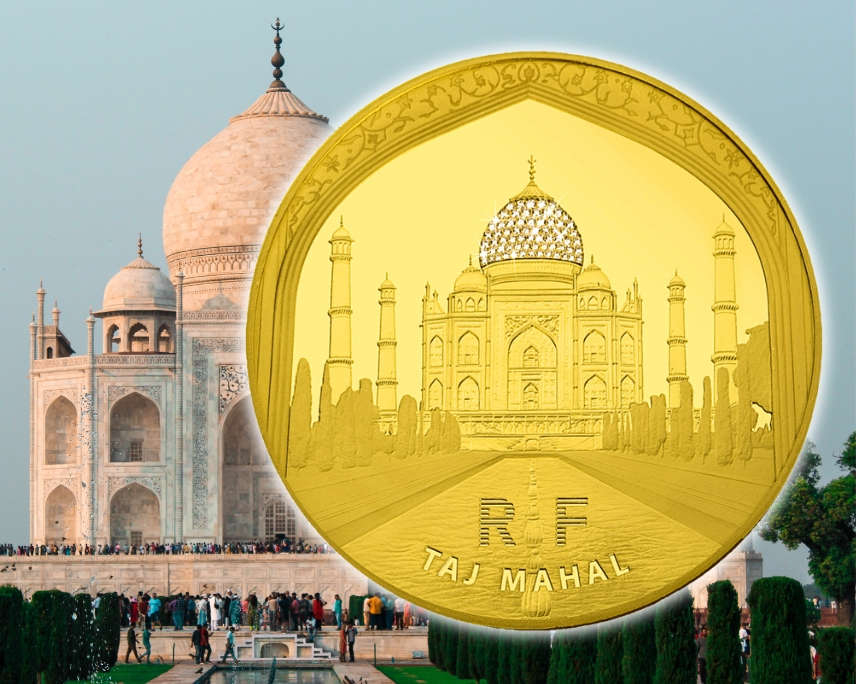
€150,000 each: The World’s Most Expensive Euro Coins – They Really Exist!
A six-figure sum for a single euro commemorative coin? Stories like this repeatedly grab headlines – most recently with rumours of a commemorative issue honouring Cristiano Ronaldo. But which price records for euro coins are actually realistic?
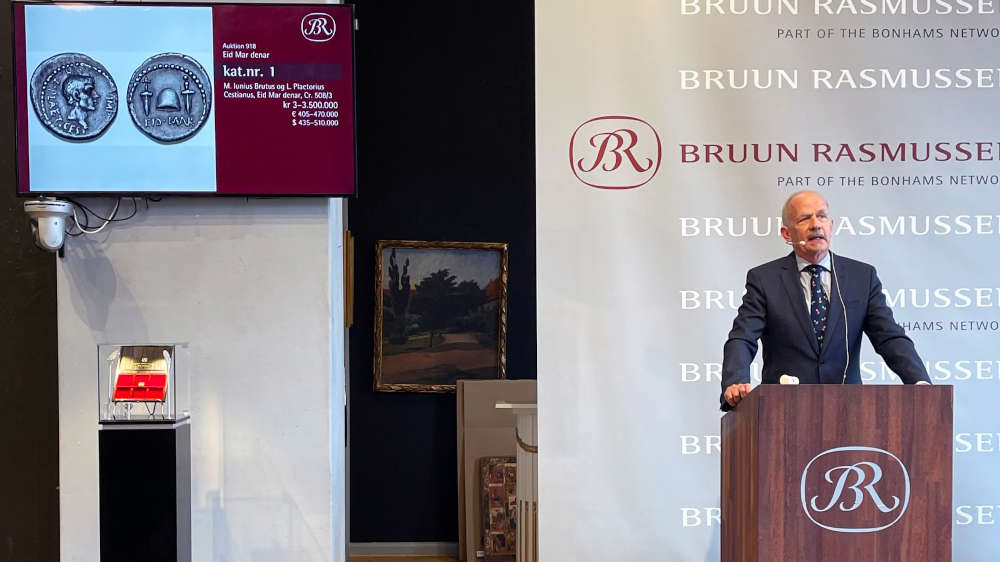
An EID MAR Denarius Set a Nordic Record
An EID MAR denarius was sold at Bruun Rasmussen establishing a record for the most expensive numismatic object ever sold at auction in the entire Nordic region according to the auction house.
Archive: Coins, Medals and more
 https://new.coinsweekly.com/wp-content/uploads/2024/03/00-2024KW13aHauptartikel_00.jpg
684
860
Sebastian Wieschowski
https://new.coinsweekly.com/wp-content/uploads/2023/01/logo-coinsweekly_590x204.png
Sebastian Wieschowski2024-03-28 08:00:342024-03-28 10:58:28Croatia’s First Year as a Euro Country: A New Era for Coin Collectors and the Croatian Mint
https://new.coinsweekly.com/wp-content/uploads/2024/03/00-2024KW13aHauptartikel_00.jpg
684
860
Sebastian Wieschowski
https://new.coinsweekly.com/wp-content/uploads/2023/01/logo-coinsweekly_590x204.png
Sebastian Wieschowski2024-03-28 08:00:342024-03-28 10:58:28Croatia’s First Year as a Euro Country: A New Era for Coin Collectors and the Croatian Mint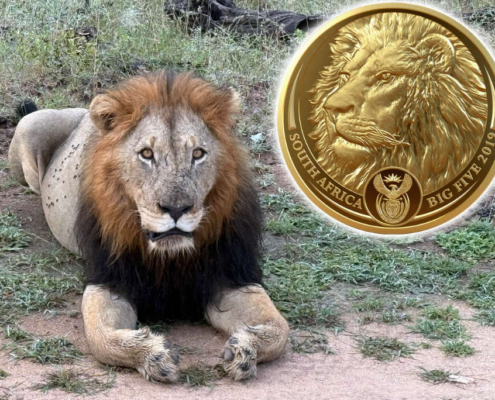 https://new.coinsweekly.com/wp-content/uploads/2025/06/00IMG_0657.jpg
684
860
Ursula Kampmann
https://new.coinsweekly.com/wp-content/uploads/2023/01/logo-coinsweekly_590x204.png
Ursula Kampmann2025-06-12 09:24:042025-06-12 09:38:54In Search of the Big Five
https://new.coinsweekly.com/wp-content/uploads/2025/06/00IMG_0657.jpg
684
860
Ursula Kampmann
https://new.coinsweekly.com/wp-content/uploads/2023/01/logo-coinsweekly_590x204.png
Ursula Kampmann2025-06-12 09:24:042025-06-12 09:38:54In Search of the Big Five
ANA World’s Fair of Money 2024: Waiting for the Election
The world’s largest coin show once again attracted collectors and dealers from around the globe. But for US numismatists, the show certainly was not business as usual – the eyes of the industry are on Washington.
Evento Numismático Internacional
There is a new coin show aimed at the Spanish-speaking world: from 26 to 29 June 2024, the first Evento Numismático Internacional will take place at the prestigious Four Seasons Hotel in Madrid, and will include a coin show, numerous presentations and an extensive cultural programme.