








Archive: People and Markets
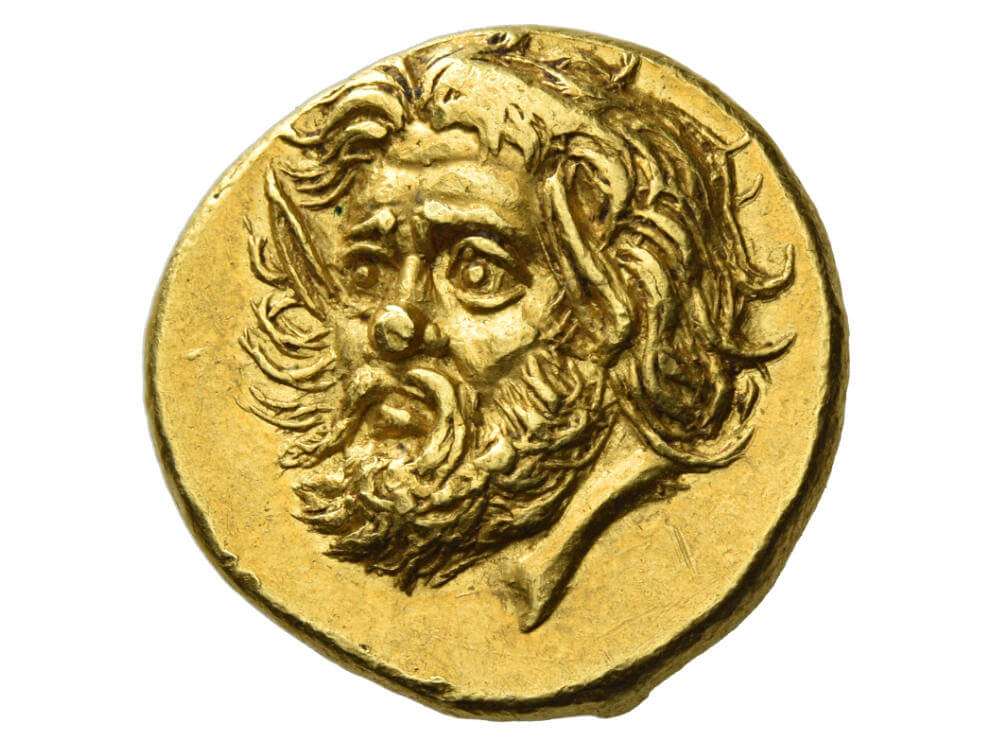
Panticapaeum Stater Most Expensive Ancient Coin
A gold stater from the city of Panticapaeum is currently the most expensive ancient coin ever sold at auction. In May 2023, it was sold by Numismatica Ars Classica in Switzerland for the record sum of 5,390,000 CHF or ca. $6 million.
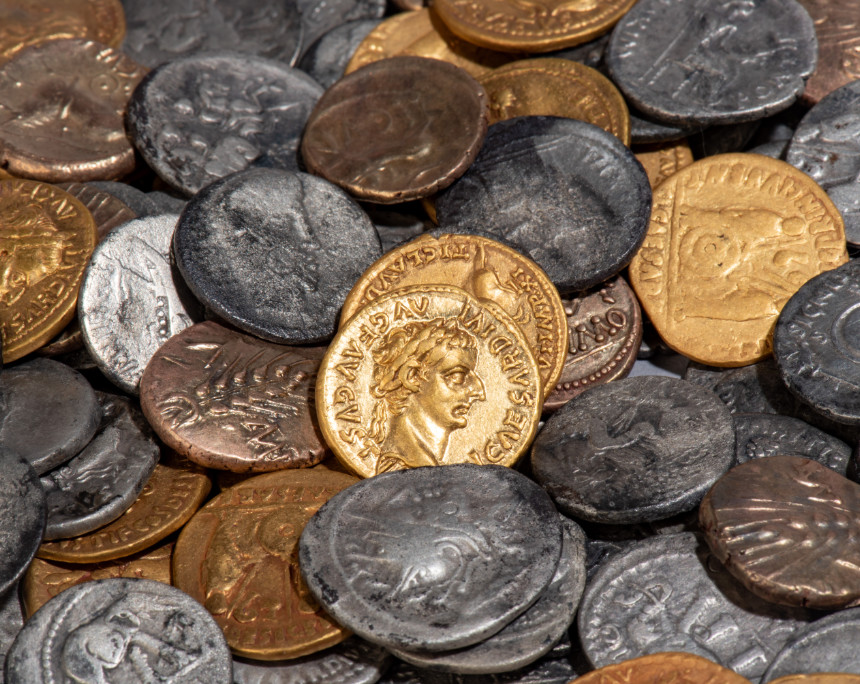
Spectacular Coin Hoard Discovered in the Province of Utrecht
A hoard of 404 coins has been unearthed in the province of Utrecht. It is probably the first find on the European mainland to include both Roman and British Celtic coins. The coin find underlines the importance of the Lower Germanic Limes for the Roman invasions of Britain.
Archive: Coins, Medals and more
 https://new.coinsweekly.com/wp-content/uploads/2023/10/2023KW42HA_00.jpg
684
860
Ursula Kampmann
https://new.coinsweekly.com/wp-content/uploads/2023/01/logo-coinsweekly_590x204.png
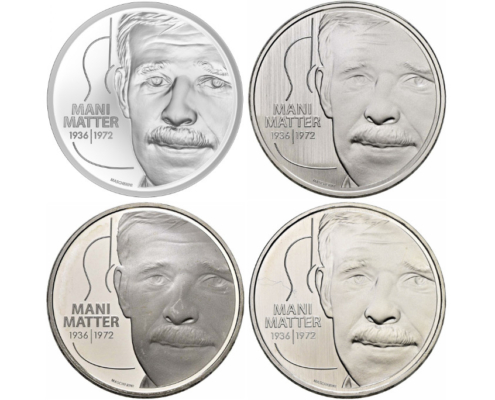
Ursula Kampmann2023-10-19 08:00:012023-10-19 11:43:14SINCONA Offers Spectacular Swissmint Patterns
https://new.coinsweekly.com/wp-content/uploads/2023/10/2023KW42HA_00.jpg
684
860
Ursula Kampmann
https://new.coinsweekly.com/wp-content/uploads/2023/01/logo-coinsweekly_590x204.png
Ursula Kampmann2023-10-19 08:00:012023-10-19 11:43:14SINCONA Offers Spectacular Swissmint Patterns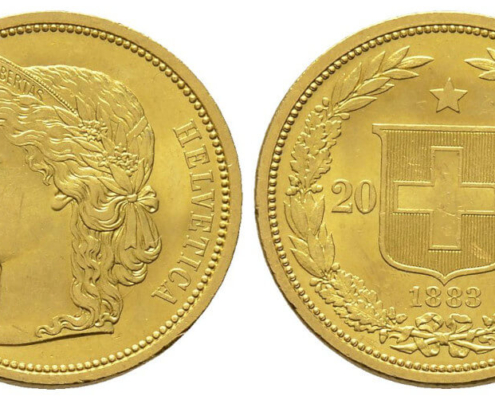 https://new.coinsweekly.com/wp-content/uploads/2023/06/00_CH-1883-20Fr.jpg
502
1000
Bruno
https://new.coinsweekly.com/wp-content/uploads/2023/01/logo-coinsweekly_590x204.png
Bruno2022-06-13 14:16:552023-06-29 11:02:58The Vreneli – A Swiss Icon
https://new.coinsweekly.com/wp-content/uploads/2023/06/00_CH-1883-20Fr.jpg
502
1000
Bruno
https://new.coinsweekly.com/wp-content/uploads/2023/01/logo-coinsweekly_590x204.png
Bruno2022-06-13 14:16:552023-06-29 11:02:58The Vreneli – A Swiss Icon
Royal Dutch Mint and Osborne Coinage Join the Heimerle + Meule Group
It was only recently that we posted about the acquisition of Reischauer by the Heimerle + Meule Group – but the next big announcement follows right away: the company acquired all shares in the Royal United Mint, who is the parent company of well-known businesses like the Royal Dutch Mint and Osborne Coinage.
The British Museum: When Theft Becomes PR
Once again, the BM made negative headlines: Ilé Sartuzi stole a coin unnoticed during a hands-on tour and declared this an artistic performance. A commentary by Ursula Kampmann.