






Archive: People and Markets

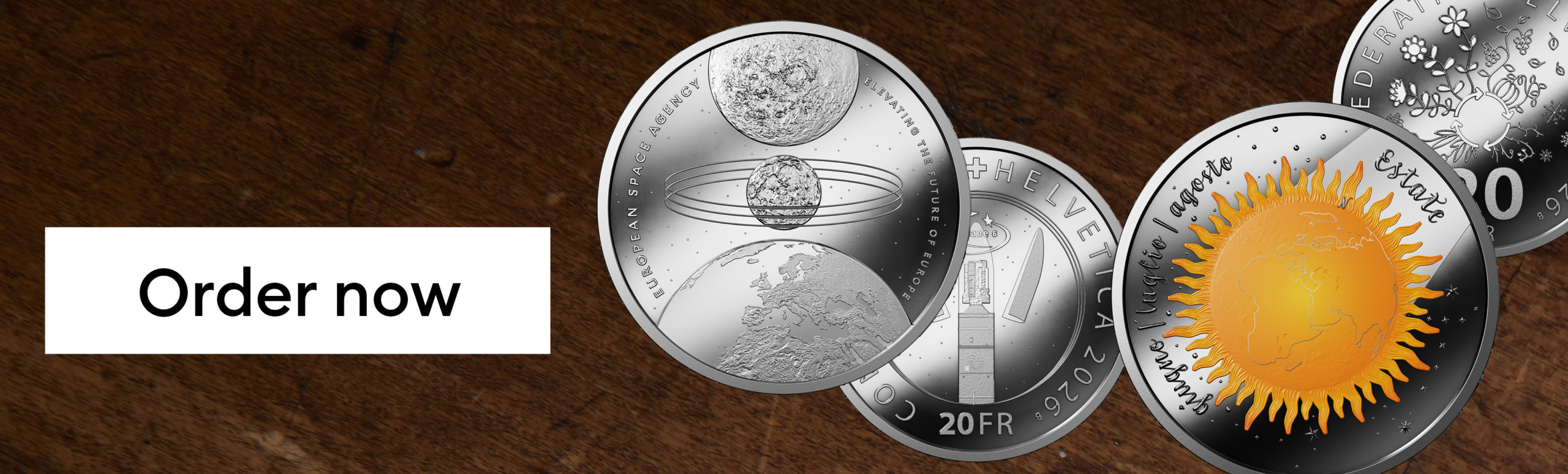
2-Euro Ticker: New 2-Euro Coins in June 2024
Much has happened in the 2-euro coin world in the past four weeks: new motifs for 2024 were announced and four coins were issued – however, there were some problems.
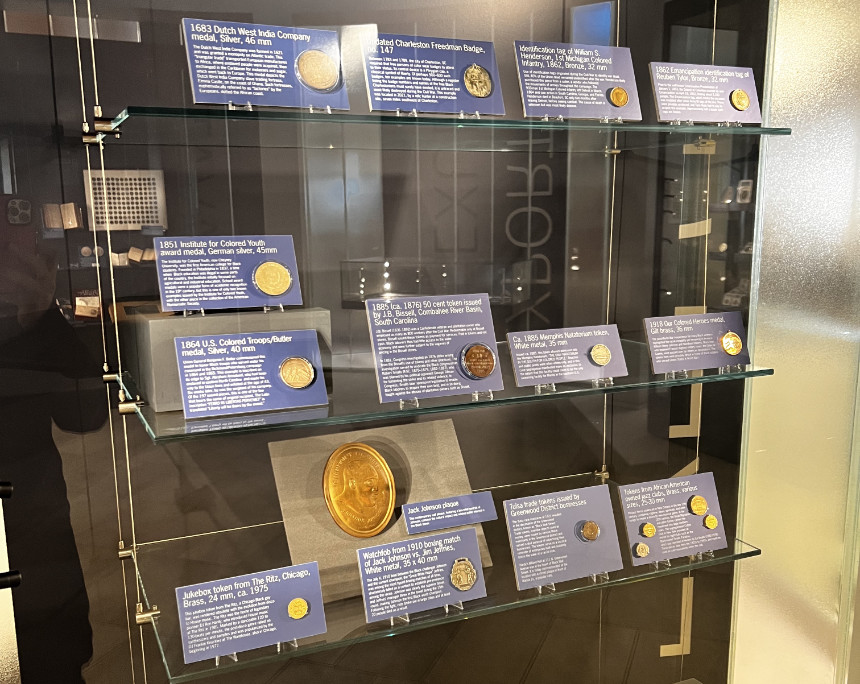
Washington University Presents Seven Numismatic Exhibits
Washington University’s Olin Library announces seven numismatic exhibits that are now open to the public and will run through July 7, 2024. The library features such exhibits on a rotating basis, with recent installations covering the history of play money, World War II internment camp issues, and other subjects. In addition to exhibits, the library’s numismatic mission includes the administration of the Newman Numismatic Portal.
Archive: Coins, Medals and more
 https://new.coinsweekly.com/wp-content/uploads/2023/06/00-6.jpg
489
1001
Bruno
https://new.coinsweekly.com/wp-content/uploads/2023/01/logo-coinsweekly_590x204.png
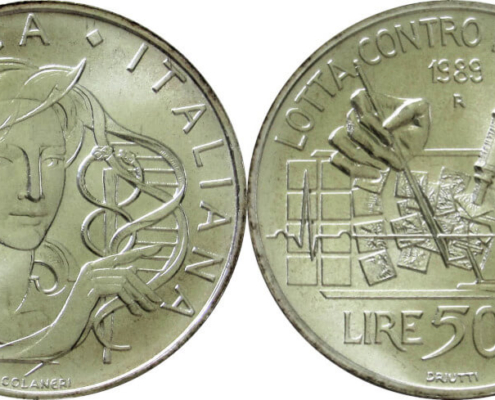
Bruno2022-06-13 12:59:122023-07-03 13:07:57Numismatic Issues Concerning Health, Medicine and Women in Times of Covid, Part 3: Personifications of Health and Medicine
https://new.coinsweekly.com/wp-content/uploads/2023/06/00-6.jpg
489
1001
Bruno
https://new.coinsweekly.com/wp-content/uploads/2023/01/logo-coinsweekly_590x204.png
Bruno2022-06-13 12:59:122023-07-03 13:07:57Numismatic Issues Concerning Health, Medicine and Women in Times of Covid, Part 3: Personifications of Health and Medicine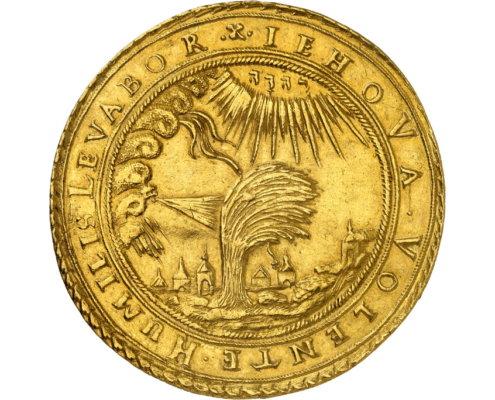 https://new.coinsweekly.com/wp-content/uploads/2024/12/2024KW49HA_00-1.jpg
684
860
Lucie Loechel
https://new.coinsweekly.com/wp-content/uploads/2023/01/logo-coinsweekly_590x204.png
Lucie Loechel2024-12-12 09:49:262024-12-12 10:13:15The Bending Willow Tree
https://new.coinsweekly.com/wp-content/uploads/2024/12/2024KW49HA_00-1.jpg
684
860
Lucie Loechel
https://new.coinsweekly.com/wp-content/uploads/2023/01/logo-coinsweekly_590x204.png
Lucie Loechel2024-12-12 09:49:262024-12-12 10:13:15The Bending Willow Tree
“art.power(s).wealth” – New Special Exhibition at the Swiss Finance Museum
The new special exhibition “art.power(s).wealth” at the Swiss Finance Museum wants to show how the art market works and what parallels there are with the financial market.
NGC Promotes Ben Wengel to Senior Vice President of World Coin Grading
NGC promoted Ben Wengel to Senior Vice President of World Coin Grading. The expert for coin counterfeit detection has worked for NGC since his time as a university student.