An Obituary to Arnold Spaer
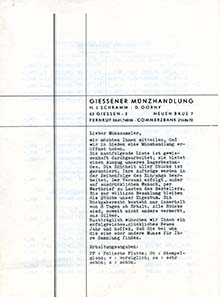
Arnold Spaer a renowned collector of ancient coins passed away in Jerusalem on Friday March 4, 2011. He had formed his collection over more than 50 years…
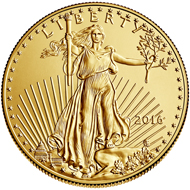
Join us on our trip to the “Old Mint” of San Francisco. Old and new photos give an insight into the minting as it was done in The Granite Lady.
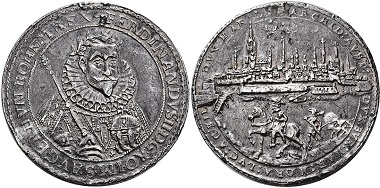
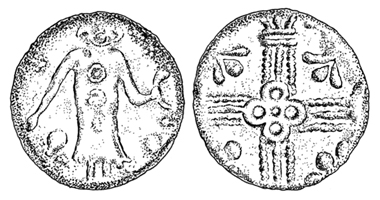
In its Berlin Auction 286, the auction house Künker auctions off the Ottar Ertzeid Collection with coins from the Swedish Territories. The offer includes a series of Purim talers. In this article, we address the question why the Protestants of Erfurt took a Jewish festival, of all events, to date their coins.
The Arabs didn’t just rule Sicily. They had such an impact on its art and culture that this influence continued to have an effect long after the expulsion of the Muslim masters. This episode tells of what Europe owes to them.
Our series takes you along for the ride as we explore the Zurich of times past. This time, you’ll get a chance to read about two men chatting with one another at the customs station of Turicum at the end of the 2nd century AD. Much like a good DVD, this conversation comes with a sort of ‘making of’ – a little numismatic-historical backdrop to help underscore and illustrate this conversation.
On May 31, 1740, Frederick II succeeded his father on the throne, soldier-king Frederick William I. To the 28 year-old, that came as some kind of liberation. Finally, he was able to carry out his ideas.
Why was the human head the motif on coins for centuries, no, for millennia? And why did that change in the last 200 years? Find out why the Houses of Anjou and Aragón fought for Sicily and how Ferdinand of Aragón cleverly used coins for propagandistic purposes in this episode.
Frugality is probably the last thing you would associate with Louis XIV. Versailles is not the only manifestation of the more than lavish lifestyle that he was so popular for. Still, this episode shows a very different side of the monarch.
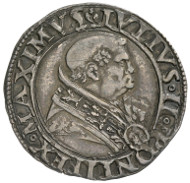
That reality and depictions of reality are two different things is a lesson we already learnt in the episode on Constantine the Great. On this coin, the image of the Doge in his pompous attire belies a reality in which he hardly holds any power anymore.
Why was the human head the motif on coins for centuries, no, for millennia? And why did that change in the last 200 years? Today we will talk about the aftermath of the French Revolution and the beginning of a reign of terror …
We are the bridge connecting the international numismatic world. Our readers include collectors, professional coin dealers and researchers, as well as all those involved in coin production. We are read in 170 countries! We provide you with information on everything you want to know about the subject of money – from antiquity to the present day. And much more...
Follow us
You need to load content from reCAPTCHA to submit the form. Please note that doing so will share data with third-party providers.
More InformationYou are currently viewing a placeholder content from Facebook. To access the actual content, click the button below. Please note that doing so will share data with third-party providers.
More InformationYou are currently viewing a placeholder content from Instagram. To access the actual content, click the button below. Please note that doing so will share data with third-party providers.
More InformationYou are currently viewing a placeholder content from X. To access the actual content, click the button below. Please note that doing so will share data with third-party providers.
More Information