






Archive: People and Markets
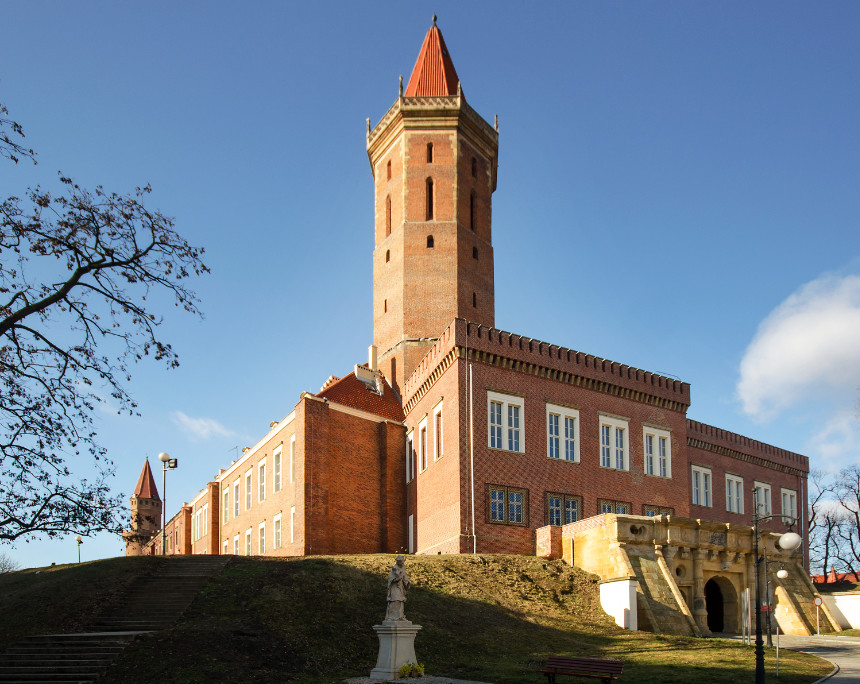
Numismatica Centroeuropaea Conference in Legnica
On 16-19 September 2025, the eighth Numismatica Centroeuropaea Conference will take Place in Legnica, Poland. The topic is “Money of the Dynasties.” A dedicated webpage with up-to-date information on the conference is now available.
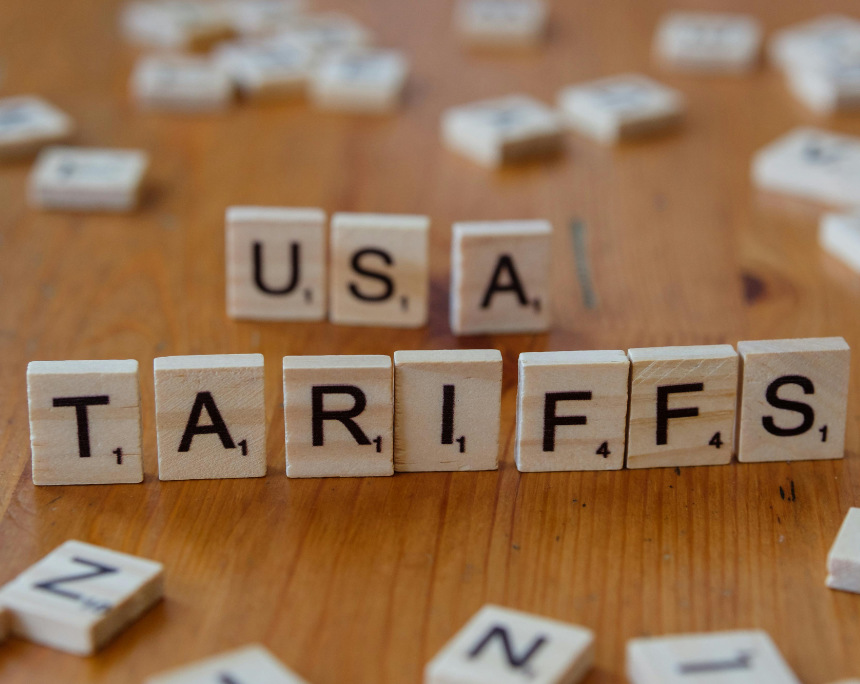
Will the International Coin Market Be Affected by the New US Tariff Policy?
America’s tariff regime is dominating the headlines. Yesterday morning (CET), when Ursula Kampmann wrote this article, many countries were under the threat of high punitive tariffs. As of yesterday evening (CET), this is no longer the case. But it is still interesting to consider what would happen in the coin market if punitive tariffs were imposed.
Archive: Coins, Medals and more
 https://new.coinsweekly.com/wp-content/uploads/2023/11/2023KW46HA_00.jpg
684
860
Ursula Kampmann
https://new.coinsweekly.com/wp-content/uploads/2023/01/logo-coinsweekly_590x204.png
Ursula Kampmann2023-11-16 09:14:582023-11-16 09:23:58The First Error Coins from Croatia
https://new.coinsweekly.com/wp-content/uploads/2023/11/2023KW46HA_00.jpg
684
860
Ursula Kampmann
https://new.coinsweekly.com/wp-content/uploads/2023/01/logo-coinsweekly_590x204.png
Ursula Kampmann2023-11-16 09:14:582023-11-16 09:23:58The First Error Coins from Croatia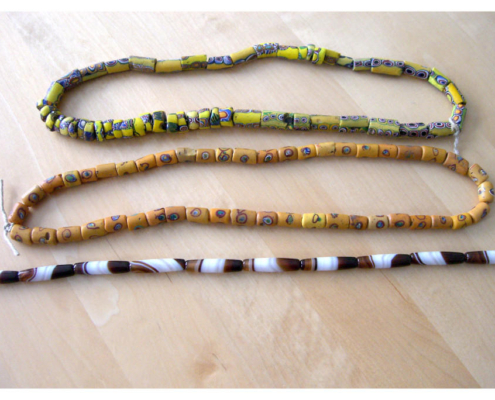 https://new.coinsweekly.com/wp-content/uploads/2025/04/2025KW16HA01_00.jpg
684
860
Lucie Loechel
https://new.coinsweekly.com/wp-content/uploads/2023/01/logo-coinsweekly_590x204.png
Lucie Loechel2025-04-17 08:34:042025-04-17 14:10:25What People Used to Pay With in South Africa
https://new.coinsweekly.com/wp-content/uploads/2025/04/2025KW16HA01_00.jpg
684
860
Lucie Loechel
https://new.coinsweekly.com/wp-content/uploads/2023/01/logo-coinsweekly_590x204.png
Lucie Loechel2025-04-17 08:34:042025-04-17 14:10:25What People Used to Pay With in South Africa
Giant’s Causeway: A Natural Wonder at Risk – Because of Coins?
One of Britain’s most iconic natural landmarks is under threat – because tourists are decorating the famous basalt columns of the Giant’s Causeway with coins. What may seem like a well-meaning gesture is now causing increasing damage to the geologically unique rock formation.
A New Era for the Caribbean: The Caribbean Guilder is Coming
In March 2025, a new currency will be introduced – the Caribbean Guilder. Collectors can look forward to intricately designed coins and banknotes that highlight the cultural and maritime identity of the islands of Curaçao and Sint Maarten.