











Archive: People and Markets
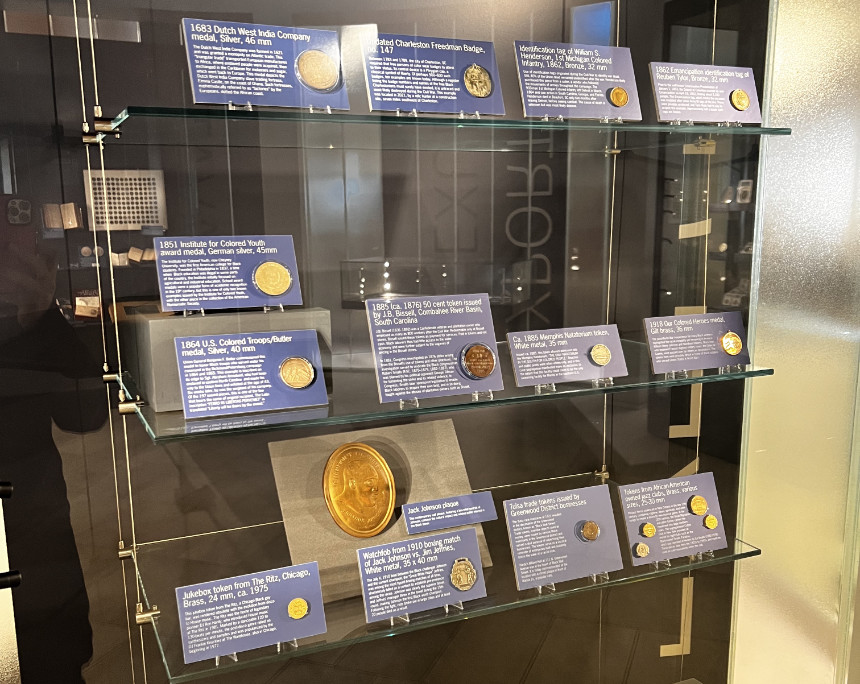
Washington University Presents Seven Numismatic Exhibits
Washington University’s Olin Library announces seven numismatic exhibits that are now open to the public and will run through July 7, 2024. The library features such exhibits on a rotating basis, with recent installations covering the history of play money, World War II internment camp issues, and other subjects. In addition to exhibits, the library’s numismatic mission includes the administration of the Newman Numismatic Portal.
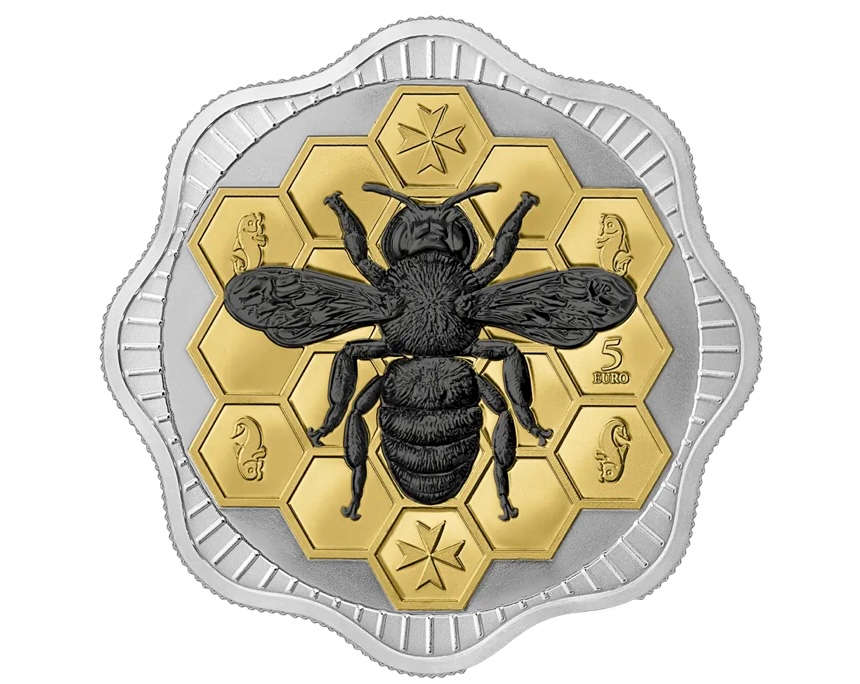
Ruthenium on Euro Commemorative Coins: Mints Turn to Innovative Finishes – with the Blessing of Central Banks
Coins with exotic precious metal coatings have long been viewed with skepticism, but Malta has now set a new trend with a galvanised commemorative coin. Other eurozone countries are also embracing innovative finishing techniques to capture contemporary tastes.
Archive: Coins, Medals and more
 https://new.coinsweekly.com/wp-content/uploads/2023/06/00_Value_of_coins.jpg
750
1000
Bruno
https://new.coinsweekly.com/wp-content/uploads/2023/01/logo-coinsweekly_590x204.png
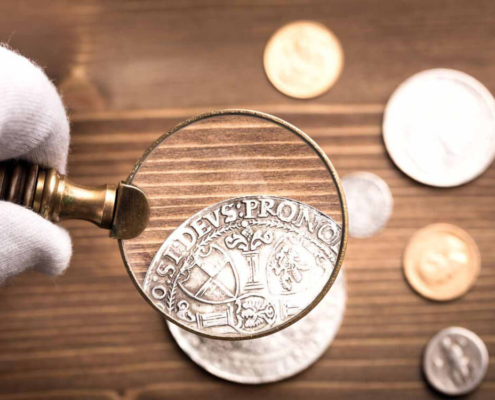
Bruno2022-06-13 10:56:082023-06-27 11:29:37Planchet Error, Overstrike, Double-Strike, Etc.: Which Errors Affect the Price of a Coin? – Part 1
https://new.coinsweekly.com/wp-content/uploads/2023/06/00_Value_of_coins.jpg
750
1000
Bruno
https://new.coinsweekly.com/wp-content/uploads/2023/01/logo-coinsweekly_590x204.png
Bruno2022-06-13 10:56:082023-06-27 11:29:37Planchet Error, Overstrike, Double-Strike, Etc.: Which Errors Affect the Price of a Coin? – Part 1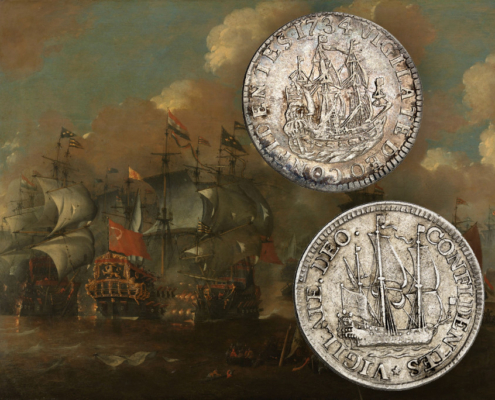 https://new.coinsweekly.com/wp-content/uploads/2024/09/2024KW38HA_00.jpg
684
860
Ursula Kampmann
https://new.coinsweekly.com/wp-content/uploads/2023/01/logo-coinsweekly_590x204.png
Ursula Kampmann2024-09-19 10:16:302024-09-19 11:07:49Bloody Flag and Scheepjesschelling
https://new.coinsweekly.com/wp-content/uploads/2024/09/2024KW38HA_00.jpg
684
860
Ursula Kampmann
https://new.coinsweekly.com/wp-content/uploads/2023/01/logo-coinsweekly_590x204.png
Ursula Kampmann2024-09-19 10:16:302024-09-19 11:07:49Bloody Flag and Scheepjesschelling
National Museum of Denmark Acquires Seven Coins of the Bruun Collection
The National Museum of Denmark used its right of first refusal to buy extremely rare coins from Lars Emil Bruun’s collection before they are to be sold at auction. Here you can see the seven extraordinary pieces!
Call for Papers: AIA Annual Meeting 2025
The Numismatics Interest Group of the Archaeological Institute of America invites abstracts on ancient coins and archaeology for the AIA Annual meeting 2025. They can be submitted until 28th February 2024.